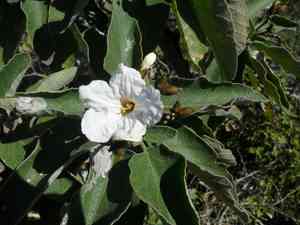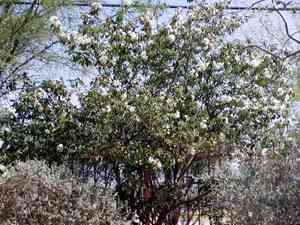
Mexican olive(Cordia boissieri)

Mexican olive (Cordia boissieri)

Also known as: Anacahuita, White cordia

The Cordia boissieri, commonly known as a flowering shrub, can grow to a height of 5 to 7 meters. It features a symmetrical, rounded crown that spans 3 to 5 meters in diameter. The fruit of this plant is sweet but mildly toxic when fresh, potentially causing dizziness if consumed. However, once processed, it is safe to use in jellies and syrups, with the latter also employed in fabric dyeing.

Attributes of Mexican olive

Lifespan
Perennial
Plant Type
Tree
Plant Height
5 m to 7 m
Spread
4.5 m to 9 m
Leaf Color
Green Gray
Flower Size
3 cm to 5 cm
Flower Color
White

PlantJoy - Identify plants with a snap

Identify and diagnose plants, get toxicity alerts, and explore safety guides for all types of fungi.

Try for Free

Images of Mexican olive

Mexican olive(Cordia boissieri)

Quickly Identify Mexican olive

1
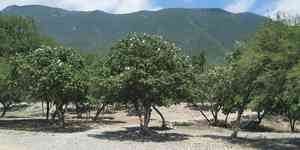
Voluptuous, rounded silhouette up to 15-25 feet (4.5-7.6 meters) in height and width.
2
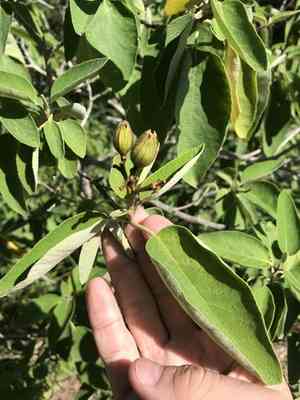
Ovate leaves, up to 5 inches (12.7 cm) long, gray-green above, paler underneath.
3
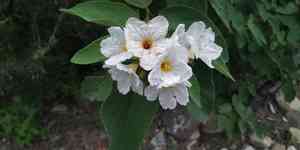
White, funnel-shaped blooms with yellow centers and crepe-like texture, 2 inches (5 cm) wide.
4
Gray bark, distinctive hue, and olive-like yellow-green fruit.

Scientific Classification of Mexican olive

Phylum
Vascular plants
Class
Dicotyledons
Order
Lamiales
Family
Ehretiaceae
Genus
Manjacks
Species
Mexican olive

Planting and Growing of Mexican olive

Care Difficulty
Easy
Watering Schedule
Every 2 days
Sunlight Requirements
Full sun
Sunshine Duration
6-8 hours
Ideal Temperature
68-77℉
Soil Type
Potting Mix, Peat Mix
Soil pH
6.5-7.5
Fertilizer Type
Balanced
Pruning Season
Spring, Summer
Pruning Area
Branches, Leaves
Pruning Frequency
2 times a year
Repotting Season
Spring
Pot Type
Plastic, Ceramic

water icon How to Water Mexican olive?

When it comes to watering Cordia boissieri, make sure to provide around 500 milliliters each session. The goal is to moisten the soil adequately without causing waterlogging. Ensure the soil surface is dry before your next round of watering, allowing the roots to breathe and preventing roots' wet feet.
What are the symptoms of an underwatered Mexican olive?
What should I do if my Mexican olive is not getting enough water?
What are the symptoms of an overwatered Mexican olive?
How to save an overwatered Mexican olive?

sunlight icon What Are the Sunlight Requirements for Mexican olive?

Sunlight Requirements: Full sun
Duration of light: 6-8 hours per day
Cordia boissieri thrives best in full sun, requiring at least 6-8 hours of sunlight. This exposure supports its growth and maximizes its flowering potential with vibrant blooms.
How much sunlight does Cordia boissieri ideally need?
What solutions are there for best lighting?
What are the benefits of optimal lighting for this plant?
More About Sunlight Requirements Techniques

temperature icon What Is the Ideal Temperature Range for Mexican olive?

Ideal Temperature: 68 ~ 77℉
The ideal temperature range for growing Cordia boissieri is between 68°F and 77°F. This range provides the optimal conditions for photosynthesis, nutrient uptake, and overall growth. Within this range, the plant can effectively manage water regulation and resist possible diseases, making it crucial for maintaining ideal plant health.

soil icon What Soil is Best for Mexican olive?

Soil type: Loam, Sandy loam, Calcareous soil
Soil PH: 6.5 ~ 7.5
Cordia boissieri thrives in well-draining soils to prevent root rot. Proper drainage ensures the roots stay healthy by avoiding waterlogging, which can lead to fungal issues. It mimics the plant's natural arid and semi-arid environment. This plant appreciates soil that has moderate fertility. While it can survive in less fertile soils, a bit of organic material can promote optimal growth without over-fertilizing, encouraging lush foliage and abundant flowering. Cordia boissieri benefits from calcareous soil due to its lime-loving nature. Calcium enhances cell structure and strength, supporting robust growth and flowering, which is vital for ornamental purposes.

fertilize icon How to Fertilize Mexican olive?

Fertilizer type: Balanced
For Cordia boissieri, use a balanced liquid fertilizer diluted to half the recommended strength. Apply about 500-750 ml per plant to avoid over-concentration of nutrients, which can harm the roots. Solid fertilizers should be used in moderation, following the recommended dosage on the label.

prune icon How to Prune Mexican olive?

Pruning Time: Spring, Summer, Autumn
Start by inspecting the Cordia boissieri for any dead, diseased, or damaged branches and remove them first. Use clean, sharp pruning shears for clean cuts. Focus on maintaining its natural shape by trimming overgrown limbs, and cut just above a leaf node to encourage bushier growth. Ensure that the center of the plant receives sufficient sunlight by thinning out dense areas. Always step back periodically to assess balance and symmetry. To maintain an aesthetically pleasing shape, prune branches that disrupt the symmetry of the plant. Focus on creating an open canopy to enhance sunlight penetration and air circulation. For a more formal appearance, trim evenly around the plant; for a natural look, follow the plant's natural growth pattern. Regularly remove suckers from the base and any water sprouts that appear along branches. More About Pruning Techniques

propagate icon How to Propagate Mexican olive plant?

Propagate Time: Spring,Late spring
1
Before sowing, Cordia boissieri seeds may be soaked in water for 24 hours to soften the seed coat and enhance germination. This process helps in breaking dormancy and speeds up the sprouting.
2
Select a healthy parent plant, and cut a 4-6 inch stem just below a leaf node. Remove the lower leaves, dip the end in rooting hormone, and plant in a prepared potting mix.
3
Place the cuttings in a warm place with indirect light. Keep the soil consistently moist but not waterlogged, and cover the pot with a plastic bag to maintain humidity.
More About Propagating Techniques

repot icon How to Repot Mexican olive plant?

Repotting frequency: Every 2-3 years
1
Monitor the plant for signs such as roots growing out of the drainage holes, the plant appearing top-heavy, or soil drying out quickly. These conditions indicate it's time to give your Cordia boissieri a more spacious home to grow.
2
Opt for a pot that is 2-3 inches wider in diameter than the current one, allowing ample space for root expansion. Ensure the pot has adequate drainage holes to prevent waterlogging, promoting healthier growth for Cordia boissieri.
3
Select a well-draining sandy loam soil that mimics its natural habitat. This soil type retains sufficient moisture while enabling excess water to escape, providing optimal growth conditions for your plant.

PlantJoy - Identify plants with a snap

Find the best spots for them to optimize their health, simply using your phone.

Try for Free

Toxicity of Mexican olive

Is Mexican olive toxic to cat?

Mexican olive presents a mild toxic risk to cats. Should a cat ingest the fruit of the Mexican olive in significant quantities, it may undergo physical discomfort or exhibit symptoms of illness. Although the precise toxic compounds are not identified, it is vital for cat owners to keep a close watch on their pets and restrict their access to the Mexican olive fruits. If accidental consumption occurs and the cat displays any signs of distress, seeking prompt veterinary assistance is necessary to tackle any possible health issues.

Is Mexican olive toxic to dog?

Mexican olive presents a slight toxicity risk to dogs. Although the plant is not considered highly toxic, consuming its fruits in substantial quantities can result in poisoning. Dogs that eat large amounts of these fruits may show symptoms like gastrointestinal upset or other mild indications of distress. It is important for dog owners to keep a watchful eye on their pets and to prevent them from consuming excessive amounts of Mexican olive's fruits. Should a dog ingest a significant quantity and exhibit any negative reactions, it is vital to obtain prompt veterinary attention to safeguard the pet's health.

Identify toxic plants for your safety

Learn which plants are harmful to you and your pets, and make informed choices for a safer home!

Try for Free
WARNING
The judgment on toxicity and danger is for reference only. We DO NOT GUARANTEE any accuracy of such judgment. Therefore, you SHALL NOT rely on such judgment. It is IMPORTANT TO SEEK PROFESSIONAL ADVICE in advance when necessary.
More About Toxic Techniques