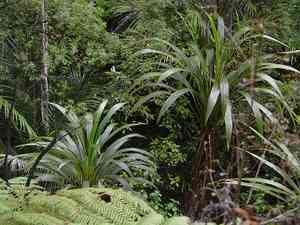
Forest cabbage tree (Cordyline banksii)
Also known as: Forest Cabbage Tree, Ti Ngahere
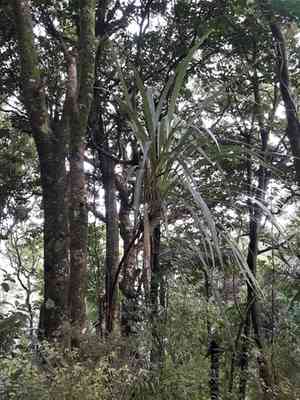
The forest cabbage tree thrives in various environments, especially in wet areas such as swamps. Historically, its trunk was valued by European settlers for its strong fire-resistant properties, making it an ideal material for constructing chimneys.
In This Article
Attributes of Forest cabbage tree
Lifespan
Perennial
Plant Type
Tree
Plant Height
1.2 m to 2.5 m
Spread
90 cm to 1.2 m
Leaf Color
Green
Flower Size
7 mm to 1 cm
Flower Color
White
Images of Forest cabbage tree
Quickly Identify Forest cabbage tree
1
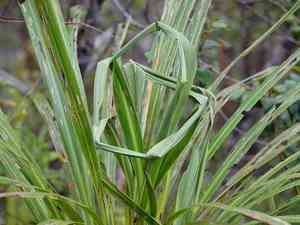
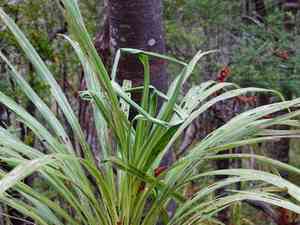
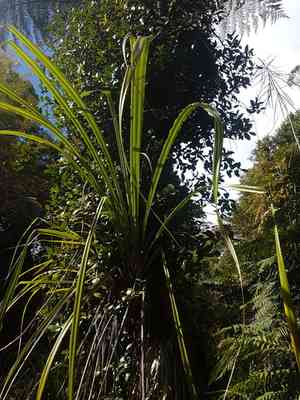
Upright paddle-shaped leaves with glossy surface and flat midrib.
2
Youthful two-ranked foliage resembling a traveler's palm.
3
Leaves 2-3 inches (5-7.5 cm) wide and 4-5 feet (1.2-1.5 meters) long.
4
Midrib widens at midpoint and tips downwards.
5
Summer brings fragrant white flowers on tall spike.
Scientific Classification of Forest cabbage tree
Phylum
Vascular plants
Class
Monocotyledons
Order
Asparagales
Family
Asparagus
Genus
Cordylines
Species
Forest cabbage tree
Planting and Growing of Forest cabbage tree
Care Difficulty
Moderate
Watering Schedule
Every 2 days
Sunlight Requirements
Partial sun
Sunshine Duration
6-10 hours
Ideal Temperature
65-75℉
Soil Type
Potting Mix, Peat Mix
Soil pH
6.5-7.5
Fertilizer Type
Balanced
Pruning Season
Spring, Summer
Pruning Area
Branches, Leaves
Pruning Frequency
2 times a year
Repotting Season
Spring
Pot Type
Plastic, Ceramic
 How to Water Forest cabbage tree?
Cordyline banksii prefers moderate watering—hydrate the soil thoroughly until it feels moist but not waterlogged. Ensure water penetrates the root zone, which can typically be achieved with 500 ml of water for a medium-sized pot.
What are the symptoms of an underwatered Forest cabbage tree?
›
What should I do if my Forest cabbage tree is not getting enough water?
›
What are the symptoms of an overwatered Forest cabbage tree?
›
How to save an overwatered Forest cabbage tree?
›
 What Are the Sunlight Requirements for Forest cabbage tree?
For Cordyline banksii, a balance of partial sun with afternoon shade is ideal. This range fosters vibrant leaf colors and robust growth, supporting overall health while minimizing the risk of leaf burn.
More About Sunlight Requirements Techniques→
Ideal Placement
›
Compensating for Overcast Days
›
Adjusting for Seasons
›
 What Is the Ideal Temperature Range for Forest cabbage tree?
The optimal temperature range for Cordyline banksii to thrive is between 65°F and 75°F. Maintaining this temperature range ensures the plant can perform photosynthesis efficiently, promoting healthy growth and vibrant foliage.
 What Soil is Best for Forest cabbage tree?
Cordyline banksii thrives in well-drained soil which prevents water-logging and root rot. Such soils support healthy root development and enhance nutrient uptake, ensuring robust growth. This plant prefers soil that retains adequate moisture without becoming soggy. Maintaining consistent moisture levels is vital to keep the foliage lush and vibrant. Rich, fertile soil provides essential nutrients that support growth. It encourages strong root development, enhances foliage color, and boosts the plant's overall health.
 How to Fertilize Forest cabbage tree?
For Cordyline banksii, it's essential to apply the right amount of fertilizer to avoid nutrient imbalance. Use a balanced liquid fertilizer solution at half the recommended strength, approximately 10 mL per liter of water, ensuring that the plant receives consistent, moderate nourishment.
 How to Prune Forest cabbage tree?
Always wear gardening gloves to protect your hands from the potentially sharp edges of the leaves. Sterilize your pruning tools before and after use to prevent the spread of disease. It's also advisable to prune on a dry day to reduce the risk of fungal infections. After pruning your Cordyline banksii, consider feeding it with a balanced fertilizer to support its recovery and promote vigorous new growth. Ensure the plant is well-watered, especially if the pruning session occurred during warmer months. Keep an eye on the plant for any signs of stress or pest infestation in the weeks following pruning.
More About Pruning Techniques→
 How to Propagate Forest cabbage tree plant?
1
Choose healthy, disease-free Cordyline banksii plants as the source for seeds, cuttings, or divisions. The health of the parent plant greatly influences the success rate of propagation.
2
When propagating through cuttings, take 4-6 inch stem cuttings from the parent plant. Remove any leaves from the lower half to prevent rot and to encourage root growth.
3
For division, gently separate the clump of the plant into smaller sections, ensuring each section has roots attached. This method is effective when the plant has become too large or crowded.
 How to Repot Forest cabbage tree plant?
1
Look for signs like roots growing out of drainage holes or the plant becoming top-heavy and unstable. These signs indicate that Cordyline banksii is outgrowing its current pot and it's time to consider repotting. Ideally, this should happen during the growing seasons of spring or summer to minimize stress.
2
Select a pot that is one size larger than the current one, with good drainage holes. The new pot should provide enough space for the roots to stretch, which helps in avoiding root-bound conditions. A pot that is too big may retain excess moisture, leading to root rot.
3
Go for a well-draining potting mix enriched with organic matter. This type of soil ensures that roots receive adequate oxygen and prevents waterlogging, which is crucial for the healthy growth of Cordyline banksii. Such a composition also retains necessary nutrients for sustained growth.



