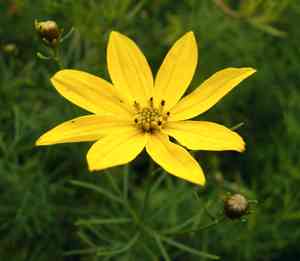
Whorled tickseed (Coreopsis verticillata)
Also known as: Whorled coreopsis
Eastern bluestar (Amsonia tabernaemontana) is a flowering plant species native to the eastern United States. This plant thrives in thin woodland areas and is known for its ability to endure various weather conditions. In horticulture, eastern bluestar is commonly cultivated in hanging baskets and containers, where it attracts butterflies with its charming blue flowers.
In This Article
Attributes of Whorled tickseed
Lifespan
Perennial, Annual
Plant Type
Herb
Plant Height
1 m
Spread
1 m
Leaf Color
Green
Flower Size
5 cm
Flower Color
Yellow Gold
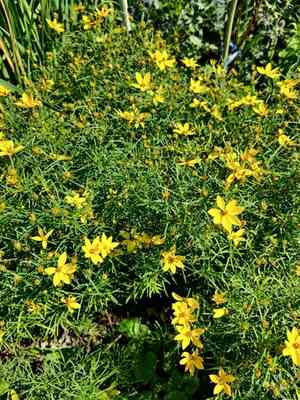
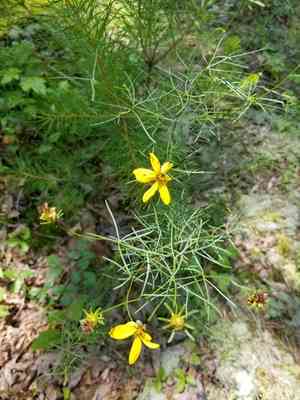
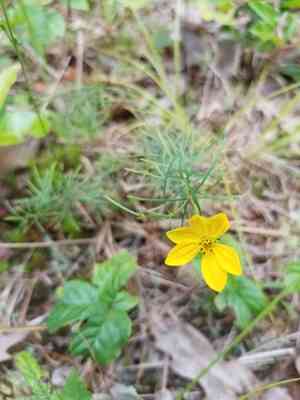
Images of Whorled tickseed
Quickly Identify Whorled tickseed
1
Finely textured thread-like leaves
2
Bright yellow daisy-like flowers with smooth-edged petals
3
Dark achene fruit less than 0.2 inches in length
4
Slender green stems, highly branched, 2-3 mm thickness
5
Robust perennial forming dense clumps, 2-3 feet in height and spread
Scientific Classification of Whorled tickseed
Phylum
Vascular plants
Class
Dicotyledons
Order
Asterales
Family
Daisy
Genus
Calliopsis
Species
Whorled tickseed
Planting and Growing of Whorled tickseed
Care Difficulty
Easy
Watering Schedule
Every 3 days
Sunlight Requirements
Full sun
Sunshine Duration
6-12 hours
Ideal Temperature
65-75℉
Soil Type
Potting Mix, Peat Mix
Soil pH
6.5-7.5
Fertilizer Type
Balanced
Pruning Season
Spring, Summer
Pruning Area
Branches, Leaves
Pruning Frequency
2 times a year
Repotting Season
Spring
Pot Type
Plastic, Ceramic
 How to Water Whorled tickseed?
Coreopsis verticillata prefers a consistent yet moderate watering amount. Each time you decide to water, aim for approximately 250ml. The key is to soak the soil thoroughly so that moisture reaches the deeper roots, but avoid leaving the soil waterlogged. Ensuring good drainage is crucial to prevent root rot and other moisture-related problems.
More About Watering Techniques→
What are the symptoms of an underwatered Whorled tickseed?
›
What should I do if my Whorled tickseed is not getting enough water?
›
What are the symptoms of an overwatered Whorled tickseed?
›
How to save an overwatered Whorled tickseed?
›
 What Are the Sunlight Requirements for Whorled tickseed?
Coreopsis verticillata thrives in full sun, about 6-8 hours daily. Ideal light ensures vigorous growth, promotes dense blooming patterns, and enhances overall plant health, displaying vibrant foliage and striking flowers.
More About Sunlight Requirements Techniques→
What is the best light condition for Coreopsis verticillata?
›
How can I ensure optimal light for my Coreopsis verticillata indoors?
›
What are the benefits of optimal lighting for Coreopsis verticillata?
›
 What Is the Ideal Temperature Range for Whorled tickseed?
The ideal temperature range for Coreopsis verticillata, commonly known as whorled tickseed, is between 65°F and 75°F. Maintaining these temperatures ensures optimal growth and flowering. In this range, the plant's metabolic processes function efficiently, enabling it to assimilate nutrients and water effectively.
 What Soil is Best for Whorled tickseed?
Coreopsis verticillata thrives in well-drained soil, preventing water from pooling around the roots, which reduces the risk of root rot and fungal diseases—a must for maintaining healthy plants. The plant prefers soil with moderate fertility, which encourages steady growth and vibrant blooms, without excessive foliage development. A nutrient-rich base supports continuous flowering from early summer through fall, ensuring the plant has enough resources to produce its iconic yellow blooms.
More About Soil→
 How to Fertilize Whorled tickseed?
For Coreopsis verticillata, a balanced 10-10-10 liquid fertilizer should be mixed at half strength. Apply approximately 100ml per plant per application. For slow-release granules, use 25g per plant spread evenly around the root zone.
More About Fertilizing Techniques→
 How to Prune Whorled tickseed?
Coreopsis verticillata, commonly known as threadleaf coreopsis, features fine, feathery foliage with bright daisy-like flowers. Familiarize yourself with its structure to avoid cutting back healthy growth. Target the spent blooms and any spindly branches for pruning. Use sharp, clean pruning shears to make precise cuts. Trim about one-third of the plant, focusing on removing dead flowers and any leggy, undesirable growth. This helps in improving air circulation and encouraging more robust floral displays.
More About Pruning Techniques→
 How to Propagate Whorled tickseed plant?
1
Begin by filling seed trays with a light, well-draining soil mix. Sow seeds on the surface and lightly cover with soil. Water gently and place trays in a warm, light spot, maintaining consistent moisture until germination.
2
Select healthy stems during active growth. Cut 4-6 inch sections just below a node using clean pruning shears. Remove lower leaves and dip the cut end in rooting hormone before planting in a moist potting mix.
3
Carefully dig up the plant using a garden fork. Divide the root clump into smaller sections with at least one shoot and healthy roots. Replant immediately at the same depth as the parent plant.
 How to Repot Whorled tickseed plant?
1
Coreopsis verticillata shows it's ready for repotting when its roots begin to grow out of the drainage holes or when the soil drains too quickly or too slowly. These signs indicate that it's either outgrowing its current space or the soil has degraded over time. Repotting during the growing season of spring allows the plant to recover swiftly and make the most of the upcoming growing period.
2
Select a pot that is just one or two sizes larger than the current one, ensuring it has ample drainage holes. This ensures excess water can escape, preventing root rot. The material of the pot – clay or ceramic – should allow breathability, further helping in regulating moisture and protecting your Coreopsis from overwatering scenarios.
3
Opt for a well-draining sandy loam that allows quick water movement yet retains enough moisture for your Coreopsis verticillata. This soil choice ensures that the roots remain aerated and are provided with the necessary nutrients without being waterlogged. Add organic compost to enrich the soil, promoting healthy and robust growth.



