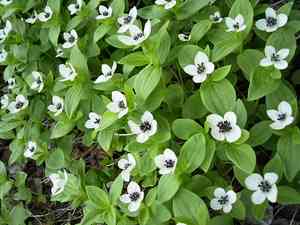
Siberian dogwood(Cornus alba)

Siberian dogwood (Cornus alba)

Also known as: Tatarian dogwood, White dogwood, Tartar privet

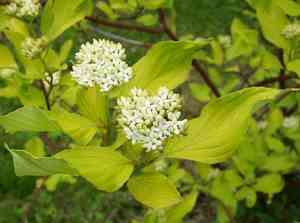
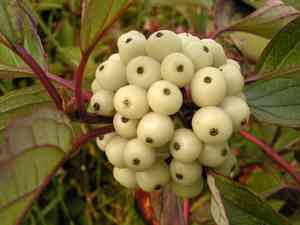
Siberian dogwood (Cornus alba) is a deciduous shrub celebrated for its vivid red stems, which create a striking visual contrast in winter once the leaves have fallen. It features small, creamy-white flowers that bloom from late spring into early summer, followed by white to blue-tinged berries that mature in late summer and attract birds.

**Key Characteristics**:
- **Height and Spread**: Grows between 6-10 feet in both height and width.
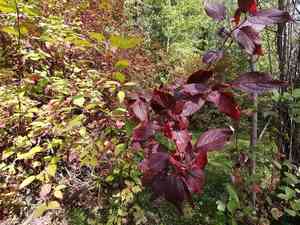
- **Leaves**: Green foliage that turns vibrant red or purple during the fall.

**Optimal Growing Conditions**:
- **Sunlight**: Thrives in full sun to partial shade, with full sun enhancing stem color.
- **Soil**: Prefers moist, well-drained soil but is versatile across different soil types.
- **Watering**: Needs consistent moisture, especially during dry spells.
- **Hardiness**: Suitable for USDA zones 2-7, making it quite cold-hardy.

Regular pruning is recommended to promote the plant's vibrant stem color and maintain its shape.

Attributes of Siberian dogwood

Lifespan
Perennial
Plant Type
Tree, Shrub
Plant Height
3 m
Spread
2.5 m to 3 m
Leaf Color
Green Yellow White Variegated
Flower Size
6 mm to 8 mm
Flower Color
White Yellow

PlantJoy - Identify plants with a snap

Identify and diagnose plants, get toxicity alerts, and explore safety guides for all types of fungi.

Try for Free

Images of Siberian dogwood

Siberian dogwood(Cornus alba)

Quickly Identify Siberian dogwood

1
Bright red stems in fall; greenish-red in summer with prominent lenticels.
2
Creamy white flowers in flat-topped clusters; faint pleasant scent; 0.2 inches (5 mm) diameter.
3
Distinctive white drupes with blue tint; 0.3 to 0.4 inches (7.5 to 10 mm) diameter.
4
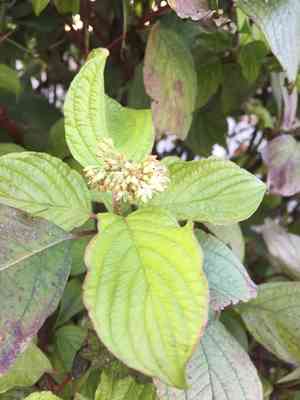
Dark green leaves with slightly wrinkled upper surface; 2 to 4.5 inches (5 to 11.5 cm) long.
5
Thin stems with deep red color in fall; speckled texture from prominent lenticels.

Scientific Classification of Siberian dogwood

Phylum
Vascular plants
Class
Dicotyledons
Order
Dogwoods, hydrangeas, and allies
Family
Dogwood
Genus
Dogwoods
Species
Siberian dogwood

Planting and Growing of Siberian dogwood

Care Difficulty
Easy
Watering Schedule
Every 8 days
Sunlight Requirements
Full sun
Sunshine Duration
6-10 hours
Ideal Temperature
60-75℉
Soil Type
Potting Mix, Peat Mix
Soil pH
6.5-7.5
Fertilizer Type
Balanced
Pruning Season
Spring, Summer
Pruning Area
Branches, Leaves
Pruning Frequency
2 times a year
Repotting Season
Spring
Pot Type
Plastic, Ceramic

water icon How to Water Siberian dogwood?

Cornus alba prefers its soil to be consistently moist but never waterlogged. When watering, aim for about 500 ml of water, ensuring the moisture reaches a depth of about 6 inches. This helps cater to its root system without suffocating it.
What are the symptoms of an underwatered Siberian dogwood?
What should I do if my Siberian dogwood is not getting enough water?
What are the symptoms of an overwatered Siberian dogwood?
How to save an overwatered Siberian dogwood?
More About Watering Techniques

sunlight icon What Are the Sunlight Requirements for Siberian dogwood?

Sunlight Requirements: Full sun, Partial sun
Duration of light: 6 to 8 hours
Cornus alba thrives best in full to partial sun conditions, receiving around 6 to 8 hours of sunlight per day. This light range stimulates maximal growth, vibrant leaf colors, and promotes healthy stem formation.
What is the ideal light requirement?
How to ensure ideal lighting?
Benefits of ideal lighting?
More About Sunlight Requirements Techniques

temperature icon What Is the Ideal Temperature Range for Siberian dogwood?

Ideal Temperature: 60 ~ 75℉
Cornus alba thrives in temperatures ranging between 60°F and 75°F. This range allows the plant to photosynthesize efficiently and maintain a healthy growth rate. Maintaining this temperature range minimizes stress and promotes vibrant foliage.

soil icon What Soil is Best for Siberian dogwood?

Soil type: Loam, Sandy loam, Peat soil
Soil PH: 6.5 ~ 7.5
Cornus alba thrives in well-drained soil, which prevents water stagnation and root rot. Ensuring good drainage allows for optimal aeration and nutrient uptake, fostering robust growth and vibrant foliage. Although it prefers well-drained soils, Cornus alba also benefits from soil that retains some moisture. This characteristic helps maintain strong, healthy roots and supports consistent growth, especially during warmer months. Cornus alba flourishes best in nutrient-rich soils, which provide essential minerals and nutrients. Such soil supports the plant's overall health, contributing to its striking red stems and lush leaf growth. More About Soil

fertilize icon How to Fertilize Siberian dogwood?

Fertilizer type: Balanced
Fertilizing Cornus alba involves providing the plant with essential nutrients. Typically, a balanced fertilizer like 10-10-10 is suitable. For liquid fertilizers, mix about 1-2 tablespoons per gallon of water and apply evenly. Solid fertilizers can be applied at rates of a few ounces per plant annually, considering soil fertility and plant size. More About Fertilizing Techniques

prune icon How to Prune Siberian dogwood?

Pruning Time: Spring, Summer, Autumn, Winter
Start by removing any dead, damaged, or diseased branches. Cut back to the healthy wood and make clean cuts just above a bud or stem. This stimulates growth and maintains the plant’s vitality. Trim back up to one-third of the older stems down to the base to encourage vigorous growth from the base. This will ensure a dense and vibrant bush with plenty of new, healthy shoots. Step back periodically during pruning to assess the shape and balance of the shrub. The goal is to maintain an open, yet orderly structure that allows light and air to reach the inner branches. For ongoing maintenance, prune lightly to maintain the desired shape and remove any crossing or crowded branches. Regular pruning will help manage the size and improve flowering each year. More About Pruning Techniques

propagate icon How to Propagate Siberian dogwood plant?

Propagate Time: Spring, Early spring
1
Choose healthy stems from the parent plant, about 10-15 cm long, and cut just below a node. Remove the leaves from the lower half of the cutting to focus the plant's energy on root development.
2
Fill a pot with a suitable potting mix, such as a mixture of peat and perlite, which provides good drainage essential for root development. Water the mix thoroughly before planting the cuttings.
3
Dip the base of each cutting into the rooting hormone, then insert them about halfway into the potting mix. Firm the soil around them to keep them upright and stabilize their growth.
More About Propagating Techniques

repot icon How to Repot Siberian dogwood plant?

Repotting frequency: Every 2-3 years
1
Repot Cornus alba when you notice roots circling the bottom of the pot or popping out at the surface. Another signal is reduced growth or frequent wilting, despite proper watering. Spring and autumn are ideal times since these are active growing seasons, allowing the plant to recover swiftly from the stress of repotting.
2
Select a pot that is one size larger than the current one, ensuring it has adequate drainage holes. This prevents waterlogged conditions which could rot the roots. A slightly bigger pot encourages root development and provides stability, fostering healthy foliage growth.
3
Opt for well-drained, acidic soil rich in organic matter. This type of soil aids in retaining the right balance of moisture while offering the plant essential nutrients. It also mimics the plant's natural habitat, encouraging robust growth and vibrant coloration of the stems.

PlantJoy - Identify plants with a snap

Find the best spots for them to optimize their health, simply using your phone.

Try for Free