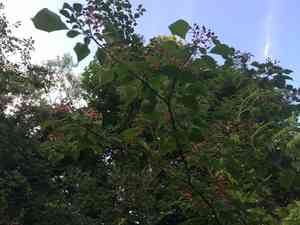
Pagoda dogwood (Cornus alternifolia)
Also known as: Green osier, Alternate-leaved dogwood, Golden shadows Pagoda Dogwood
Flowering dogwood (Cornus florida) is a native species to eastern North America, ranging from Canada to the southern United States, including Florida. It attracts a variety of wildlife, including bees, insects, bears, and deer.
In This Article
Attributes of Pagoda dogwood
Lifespan
Perennial
Plant Type
Tree
Plant Height
4.5 m to 9 m
Spread
3 m to 6 m
Leaf Color
Green Yellow Red
Flower Size
2.5 cm to 8 cm
Flower Color
White
Images of Pagoda dogwood
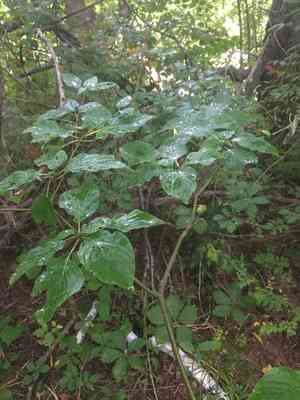
Quickly Identify Pagoda dogwood
1
Layered, pagoda-like structure with horizontally tiered branches.
2
Creamy-white flowers in flat-topped clusters, bloom in late spring.
3
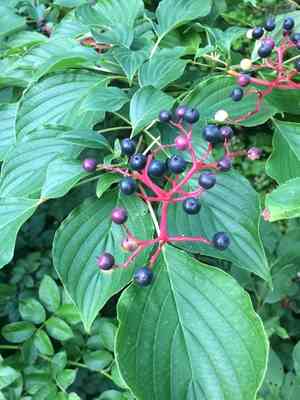
Green to bluish-black drupes with orangish-red stems, sour taste.
4
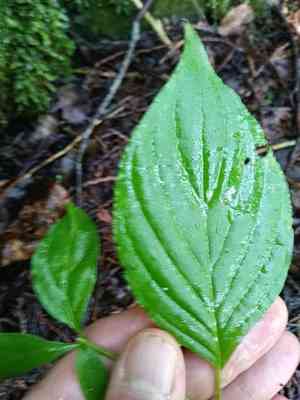
Dark green leaves with red fall color, pinnate vein pattern.
5
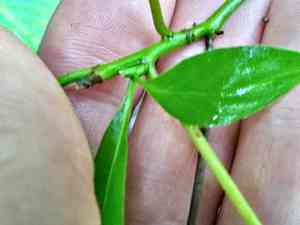
Green to reddish-purple stems, slender with zigzagging twigs.
Scientific Classification of Pagoda dogwood
Phylum
Vascular plants
Class
Dicotyledons
Order
Cornales
Family
Dogwood
Genus
Dogwoods
Species
Pagoda dogwood
Planting and Growing of Pagoda dogwood
Care Difficulty
Easy
Watering Schedule
Every 4 days
Sunlight Requirements
Partial sun
Sunshine Duration
4-8 hours
Ideal Temperature
60-75℉
Soil Type
Potting Mix, Peat Mix
Soil pH
5-7.5
Fertilizer Type
Balanced
Pruning Season
Spring, Summer
Pruning Area
Branches, Leaves
Pruning Frequency
2 times a year
Repotting Season
Spring
Pot Type
Plastic, Ceramic
 How to Water Pagoda dogwood?
Cornus alternifolia prefers to be watered deeply and thoroughly to ensure the water reaches the roots. It's important to let the soil dry slightly between waterings. This ensures the plant has consistent access to water without becoming waterlogged.
What are the symptoms of an underwatered Pagoda dogwood?
›
What should I do if my Pagoda dogwood is not getting enough water?
›
What are the symptoms of an overwatered Pagoda dogwood?
›
How to save an overwatered Pagoda dogwood?
›
 What Are the Sunlight Requirements for Pagoda dogwood?
Cornus alternifolia flourishes in environments with partial sun, benefiting from the gentle morning and evening sun. This light supports optimal photosynthesis and ensures healthy leaves and blooms.
More About Sunlight Requirements Techniques→
What light levels does Cornus alternifolia prefer?
›
What is one solution to achieve ideal lighting for Cornus alternifolia?
›
What are the benefits of providing Cornus alternifolia with ideal lighting conditions?
›
 What Is the Ideal Temperature Range for Pagoda dogwood?
The ideal temperature range for Cornus alternifolia is between 60 and 75 °F. This range allows the plant to thrive, ensuring optimal photosynthesis and healthy growth. Maintaining this temperature range fosters strong root development and promotes lush foliage. Consistent temperatures within this range contribute to the plant's resistance to common pests and diseases.
 What Soil is Best for Pagoda dogwood?
Cornus alternifolia thrives best in well-drained soil, preventing water stagnation and root rot. This enhances root health and supports stronger plant growth. While the soil should be well-draining, it should also retain some moisture. This balance helps in maintaining adequate hydration for the plant, ensuring robust foliage and flowering. A nutrient-rich soil supports the vigorous growth of Cornus alternifolia. The presence of essential minerals aids in enhancing the plant's overall health, promoting vibrant leaves and blooms.
More About Soil→
 How to Fertilize Pagoda dogwood?
For Cornus alternifolia, a balanced fertilizer with an N-P-K ratio of 10-10-10 is recommended. During the growing season, use about 1/2 pound for young plants and up to 1 pound for mature shrubs. Always follow package instructions to avoid over-fertilization.
More About Fertilizing Techniques→
 How to Prune Pagoda dogwood?
Begin your pruning by removing any dead or diseased branches. Make your cuts at a 45-degree angle about a quarter inch away from a healthy bud or the branch collar to allow rainwater to run off and prevent water pooling. After removing the dead wood, focus on shaping the tree. Aim to open up the center by cutting wayward or crossing branches that can interfere with air circulation and light penetration, crucial for plant health and preventing mildew. While pruning, consider how the structure will allow sunlight and air to reach inner branches. Balanced sunlight and good airflow are essential for preventing fungal diseases and promoting even growth, so adjust your pruning accordingly.
More About Pruning Techniques→
 How to Propagate Pagoda dogwood plant?
1
Collect seeds from mature Cornus alternifolia plants in early autumn. Ensure the seeds are harvested when the berries are ripe and dark blue, and clean them to remove any pulp which could encourage mold growth.
2
Select a healthy stem from the parent plant during early spring. Cut 6 to 8-inch segments using sterilized pruning shears. Remove lower leaves to prevent rot and dip the cutting in rooting hormone to enhance root development.
3
In early spring, select a low-hanging branch and bend it to the ground. Partly bury a section of the branch, ensuring it's covered by soil, while keeping the tip exposed. Use a small stake to secure it until it roots, typically in 6 to 12 months.
 How to Repot Pagoda dogwood plant?
1
Cornus alternifolia should be repotted when you observe signs like roots growing out of the drainage holes or the soil drying out rapidly after watering. These indicate root-bound conditions. Early spring or early autumn are ideal times, as the plant is either coming out of dormancy or preparing for winter.
2
Select a pot that's 1-2 inches wider in diameter than the current one. This ensures enough space for root growth without risking waterlogging. A pot with drainage holes is essential to prevent root rot. Materials like terra cotta can be beneficial for moisture retention control.
3
Opt for a well-draining loamy soil mix with added organic matter like compost or peat moss. This provides the necessary nutrients while ensuring adequate drainage, crucial for preventing waterlogged roots and promoting healthy growth.



