
Silky dogwood (Cornus amomum)
Also known as: Red willow, Squawbush
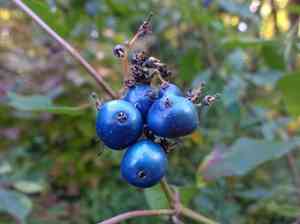
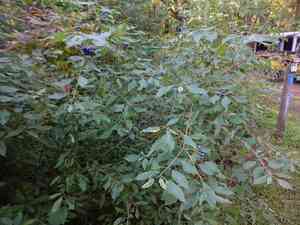
Silky dogwood (*Cornus amomum*) is a deciduous shrub indigenous to eastern North America, known for the silky hairs on its leaves and twigs. The name 'kinnikinnick' was given to it by Native Americans, derived from an Algonquian word meaning 'smoking mixture,' as its parts were used in traditional smoking blends. This shrub features white flowers in the spring, followed by blue berries that are a favorite among birds.
In This Article
Attributes of Silky dogwood
Lifespan
Perennial
Plant Type
Shrub
Plant Height
5 m
Spread
2.5 m to 5 m
Leaf Color
Green
Flower Size
3 mm to 5 mm
Flower Color
White Yellow
Images of Silky dogwood
Quickly Identify Silky dogwood
1
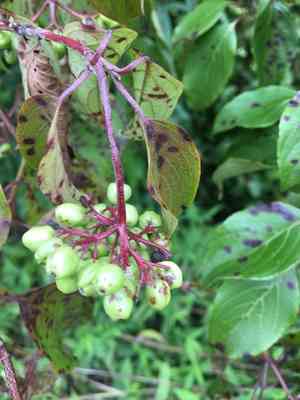
Greenish-purple to dark reddish-purple young twigs with fine hairs.
2
Creamy white flower clusters in flat-topped cymes up to 2.5 inches (6.35 cm).
3
Dark purple mature branches with vertical brown lenticels.
4
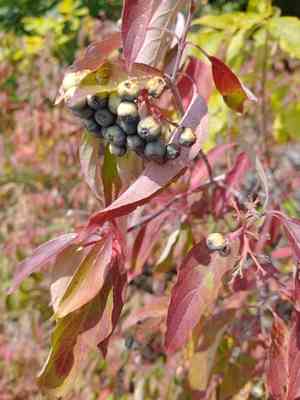
Elliptical to ovate leaves measuring 2 to 3.5 inches (5 to 9 cm) long.
5
Petite spherical drupes maturing from white to dark blue, approximately 1/4 inch (6 mm).
Scientific Classification of Silky dogwood
Phylum
Vascular plants
Class
Dicotyledons
Order
Cornales
Family
Dogwood
Genus
Dogwoods
Species
Silky dogwood
Planting and Growing of Silky dogwood
Care Difficulty
Easy
Watering Schedule
Every 4 days
Sunlight Requirements
Partial sun
Sunshine Duration
6-10 hours
Ideal Temperature
60-75℉
Soil Type
Potting Mix, Peat Mix
Soil pH
5.5-7.5
Fertilizer Type
Balanced
Pruning Season
Spring, Summer
Pruning Area
Branches, Leaves
Pruning Frequency
2 times a year
Repotting Season
Spring
Pot Type
Plastic, Ceramic
 How to Water Silky dogwood?
Water Cornus amomum thoroughly so the soil is moist but not waterlogged. The goal is to ensure the soil is evenly damp to about 6 inches deep, which generally requires about 1000 ml of water per session, depending on your specific environment and soil type.
What are the symptoms of an underwatered Silky dogwood?
›
What should I do if my Silky dogwood is not getting enough water?
›
What are the symptoms of an overwatered Silky dogwood?
›
How to save an overwatered Silky dogwood?
›
 What Are the Sunlight Requirements for Silky dogwood?
Cornus amomum thrives in partial sun conditions, an environment that provides about 4 to 6 hours of direct morning sun followed by afternoon shade. This exposure range supports robust growth and beautiful blooming while preventing stress.
More About Sunlight Requirements Techniques→
What is the ideal light exposure?
›
How to achieve ideal light conditions?
›
Benefits of ideal light conditions?
›
 What Is the Ideal Temperature Range for Silky dogwood?
The ideal temperature range for Cornus amomum, commonly known as silky dogwood, is between 60°F and 75°F. These temperatures provide optimal conditions for photosynthesis and growth. Adequate warmth promotes vigorous foliage development and flowering, making this range perfect for its thriving.
 What Soil is Best for Silky dogwood?
Cornus amomum thrives in soil that can retain moisture well. This helps keep the plant hydrated and supports healthy root development, especially during dry spells. Adequate levels of organic matter and nutrients are essential. These enhance growth, ensuring the dogwood has the resources it needs for vibrant foliage and blooms. While the soil should retain moisture, good drainage is crucial to prevent waterlogging which can lead to root rot and other issues that compromise the plant’s health.
More About Soil→
 How to Fertilize Silky dogwood?
For Cornus amomum, apply a balanced, all-purpose fertilizer at a rate of about one tablespoon per gallon of water for liquid fertilizers. For solid fertilizers, use approximately 1/4 cup per inch of stem diameter, ensuring even distribution around the base of the plant.
More About Fertilizing Techniques→
 How to Prune Silky dogwood?
Begin by examining the Cornus amomum for any dead or damaged branches, removing them at their base to prevent disease. Next, identify any crossing branches and cut them to improve airflow. Shape the plant by trimming back excessive growth, focusing on maintaining its natural form. Always use clean, sharp tools to make precise cuts just above a healthy bud or lateral branch. For older or overgrown plants, undertake rejuvenation pruning. Cut back one-third of the oldest and thickest stems to ground level, stimulating new shoots to grow. This method rejuvenates the shrub without drastically altering its appearance, ensuring sustained vitality and blooming in coming seasons.
More About Pruning Techniques→
 How to Propagate Silky dogwood plant?
1
Select healthy, disease-free stems from the Cornus amomum plant. Use pruning shears to cut segments approximately 4 to 6 inches long, ensuring each has at least a couple of leaf nodes. Remove any leaves from the lower half of the cutting to prevent rotting when planted.
2
Once your cuttings are ready, dip the cut end into a rooting hormone powder. This encourages new root growth and increases the likelihood of successful propagation. Make sure the hormone covers around 1-2 inches of the stem.
3
Prepare a pot with a well-draining potting mix. Create holes in the soil and plant the cuttings about halfway in, ensuring that the leaf node is buried. Water the soil sufficiently but avoid waterlogging. Place the pot in a warm, bright location but out of direct sunlight.
 How to Repot Silky dogwood plant?
1
Look for signs such as roots emerging from drainage holes, soil drying out too fast, or the plant being top-heavy. These are indicators that Cornus amomum needs more space to grow.
2
Select a pot that's 2 inches larger in diameter than the current one. Ensure it has drainage holes to prevent waterlogging, which can rot the roots and damage the plant.
3
Opt for a rich, well-draining soil mix that retains moisture while allowing excess water to drain. This encourages healthy root growth and prevents root rot.



