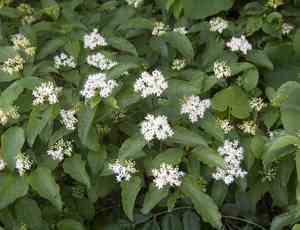
Roughleaf dogwood (Cornus drummondii)
Also known as: Roughleaf Dogwood
Roughleaf dogwood, scientifically known as *Cornus drummondii*, is a deciduous shrub indigenous to eastern North America. The genus name *Cornus* derives from the Latin "cornu," meaning "horn," signifying the plant's notably hard and durable wood. The species name "drummondii" honors Thomas Drummond, a Scottish botanist recognized for his extensive plant collection efforts in America.
In This Article
Attributes of Roughleaf dogwood
Lifespan
Perennial
Plant Type
Tree
Plant Height
1.8 m to 4.5 m
Spread
3 m to 4.5 m
Leaf Color
Green Red Purple
Flower Size
2.5 cm
Flower Color
White
Images of Roughleaf dogwood
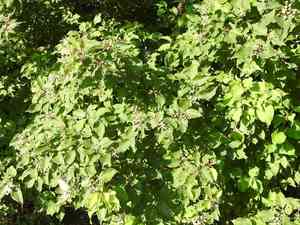
Quickly Identify Roughleaf dogwood
1
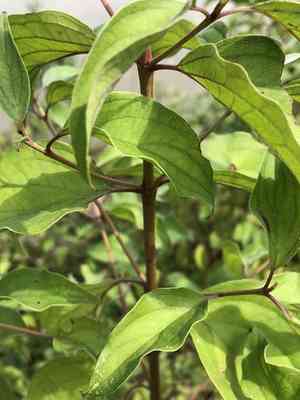
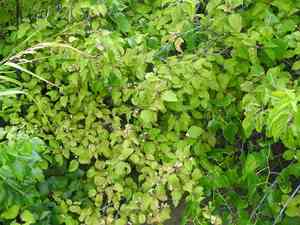
Rough-textured, hairy leaves with dark green upper and light green underside.
2
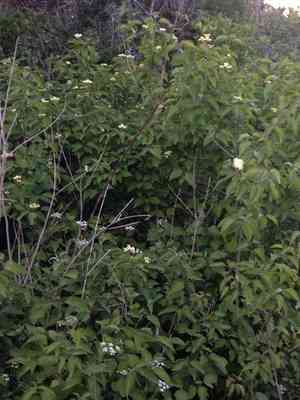
Clusters of creamy white flowers in cymes, each with four petals.
3
Small, round, white drupes with smooth texture and a single stone.
4
Opposite branching pattern with green to reddish-brown stems and fuzzy young twigs.
5
Gray, rough bark with interlocking scales and slender branches with pronounced bumps.
Scientific Classification of Roughleaf dogwood
Phylum
Vascular plants
Class
Dicotyledons
Order
Cornales
Family
Dogwood
Genus
Dogwoods
Species
Roughleaf dogwood
Planting and Growing of Roughleaf dogwood
Care Difficulty
Easy
Watering Schedule
Every 8 days
Sunlight Requirements
Full sun
Sunshine Duration
6-8 hours
Ideal Temperature
60-75℉
Soil Type
Potting Mix, Peat Mix
Soil pH
6.5-7.5
Fertilizer Type
Balanced
Pruning Season
Spring, Summer
Pruning Area
Branches, Leaves
Pruning Frequency
2 times a year
Repotting Season
Spring
Pot Type
Plastic, Terracotta
 How to Water Roughleaf dogwood?
Cornus drummondii prefers consistently moist soil, meaning watering should be thorough such that the soil feels damp but not waterlogged. Typically, providing about 1000 milliliters of water should be sufficient for the plant to reach this moisture level. Always ensure the top inch of soil is dry before re-watering.
What are the symptoms of an underwatered Roughleaf dogwood?
›
What should I do if my Roughleaf dogwood is not getting enough water?
›
What are the symptoms of an overwatered Roughleaf dogwood?
›
How to save an overwatered Roughleaf dogwood?
›
 What Are the Sunlight Requirements for Roughleaf dogwood?
Cornus drummondii thrives in full sun (at least 6 hours daily), promoting maximum photosynthesis and vibrant foliage. Balanced light ensures strong, healthy growth and abundant flowering.
More About Sunlight Requirements Techniques→
How does Cornus drummondii prefer to receive sunlight?
›
What solutions can help achieve ideal lighting for Cornus drummondii?
›
What benefits does ideal lighting bring to Cornus drummondii?
›
 What Is the Ideal Temperature Range for Roughleaf dogwood?
The ideal temperature range for growing Cornus drummondii is between 60°F and 75°F. This range provides the optimal conditions for its growth, allowing the plant to thrive without thermal stress. During this temperature range, the physiological processes such as photosynthesis and respiration occur efficiently, promoting healthy foliage and flowering.
 What Soil is Best for Roughleaf dogwood?
Cornus drummondii thrives in soils that can retain adequate moisture. This prevents the plant from drying out during hot spells while still allowing for aeration, ensuring healthy root development. This plant requires a soil rich in nutrients to support its lush growth and flowering. A nutrient-rich loamy soil can provide the necessary minerals and organic matter that promote vigorous development. Well-draining soil is crucial for preventing waterlogging and root rot in Cornus drummondii. Loam and sandy loam provide excellent drainage, ensuring excess water quickly exits the root zone.
More About Soil→
 How to Fertilize Roughleaf dogwood?
When fertilizing Cornus drummondii, apply a balanced, all-purpose fertilizer at a rate of 1 pound per 100 square feet to ensure the plant remains healthy and vigorous. Be careful to spread it evenly around the plant base and not too close to the stem.
More About Fertilizing Techniques→
 How to Prune Roughleaf dogwood?
Start by removing any dead, diseased, or broken branches. Use clean, sharp pruning shears to make cuts just above a healthy bud or branch fork. Aim to open up the plant's canopy to improve air circulation and light penetration, which can reduce disease risk.
More About Pruning Techniques→
 How to Propagate Roughleaf dogwood plant?
1
Gather seeds from mature berries. Clean them thoroughly to remove pulp and allow them to dry before planting. This ensures better germination rates and avoids fungal issues during propagation.
2
Select healthy, disease-free stems from the Cornus drummondii plant. Cut sections about 6 inches in length, ensuring each has at least a pair of leaves and nodes for optimal rooting potential.
3
Bend a low-growing branch to the ground, covering a portion with soil while leaving the tip exposed. This allows roots to form where it contacts the soil, creating a new, independent plant over time.
 How to Repot Roughleaf dogwood plant?
1
Cornus drummondii should be repotted when you notice roots growing out of the drainage holes or when growth seems stunted. Early spring before new growth starts or during autumn when the plant is dormant are optimal times for repotting.
2
Select a pot that is one to two sizes larger than the current one. Ensure it has sufficient drainage holes to prevent water-logging. The right pot prevents overwatering and root rot, allowing space for healthy root expansion.
3
Use well-draining potting soil mixed with organic matter. This soil mix ensures adequate air circulation and moisture retention, providing a nutrient-rich environment to support healthy plant growth.



