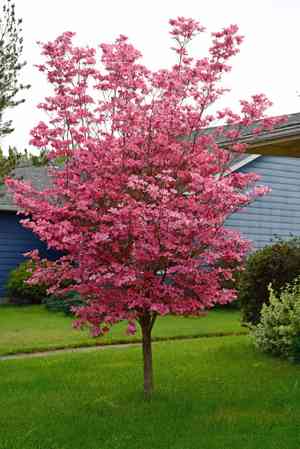
Flowering dogwood (Cornus florida)
Also known as: Flowering cornel
The Flowering Dogwood (Cornus florida) is a beloved North American tree, celebrated for its expansive canopy and abundant spring blossoms. The white or pink "flowers" are actually composed of four oval-shaped bracts surrounding a cluster of small yellow true flowers. Thanks to its ornamental canopy, vibrant spring blooms, and striking red leaves and berries in the fall, it stands out as the most popular native tree in U.S. gardens.
In This Article
Attributes of Flowering dogwood
Lifespan
Perennial
Plant Type
Tree
Plant Height
6 m to 10 m
Spread
8 m
Leaf Color
Green Red Purple Yellow Variegated
Flower Size
7 cm to 10 cm
Flower Color
White Pink Green
Images of Flowering dogwood
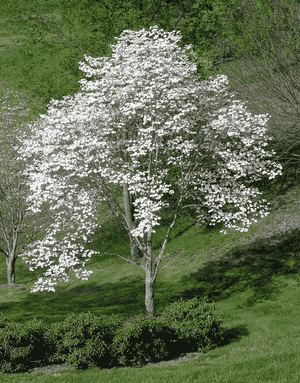
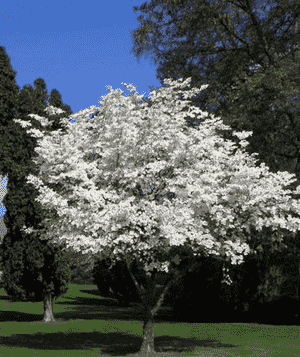
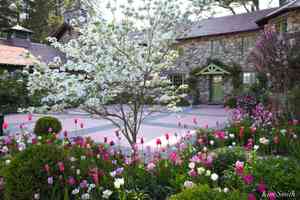
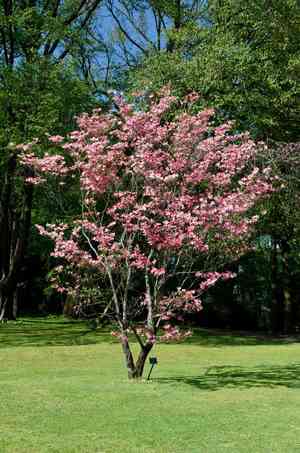
Quickly Identify Flowering dogwood
1
Showy, notched bracts surrounding inconspicuous green flowers in early spring.
2
Glossy red drupes in clusters of 3-4, favored by birds in late summer.
3
Opposite, acuminate leaves with dull green upper and pubescent glaucous underside.
4
Slender stem with powdery coating turning smooth, bark breaking into blocks.
5
Mature trunk with patchwork of small scaly blocks in gray to black shades.
Scientific Classification of Flowering dogwood
Phylum
Vascular plants
Class
Dicotyledons
Order
Cornales
Family
Dogwood
Genus
Dogwoods
Species
Flowering dogwood
Planting and Growing of Flowering dogwood
Care Difficulty
Hard
Watering Schedule
Every 3 days
Sunlight Requirements
Full sun
Sunshine Duration
4-6 hours
Ideal Temperature
60-75℉
Soil Type
Potting Mix, Peat Mix
Soil pH
6.5-7.5
Fertilizer Type
Balanced
Pruning Season
Spring, Summer
Pruning Area
Branches, Leaves
Pruning Frequency
2 times a year
Repotting Season
Spring
Pot Type
Plastic, Ceramic
 How to Water Flowering dogwood?
For Cornus florida, the principle for watering is to ensure the soil is evenly moist but not waterlogged. Typically, providing around 500 milliliters will suffice, allowing the water to soak in deeply. This ensures the roots receive adequate moisture without drowning them, maintaining a balance that supports healthy growth.
More About Watering Techniques→
What are the symptoms of an underwatered Flowering dogwood?
›
What should I do if my Flowering dogwood is not getting enough water?
›
What are the symptoms of an overwatered Flowering dogwood?
›
How to save an overwatered Flowering dogwood?
›
 What Are the Sunlight Requirements for Flowering dogwood?
Cornus florida ideally thrives in partial to full sun, benefiting from several hours of sunlight per day. This stimulates robust flowering, deeper foliage color, and overall better plant health, tapping into the plant's natural growth cycles effectively.
More About Sunlight Requirements Techniques→
What type of sunlight does Cornus florida prefer?
›
How can you achieve these lighting conditions?
›
What are the benefits of providing ideal light conditions?
›
 What Is the Ideal Temperature Range for Flowering dogwood?
Cornus florida thrives best when grown in temperatures between 60°F and 75°F. This range provides an optimal environment for its physiological processes, including photosynthesis and respiration, ensuring overall robust growth and flowering. Providing consistent temperatures within this range minimizes stress and maximizes plant vitality.
 What Soil is Best for Flowering dogwood?
Cornus florida thrives in well-drained soils that prevent waterlogging, minimizing root rot risks and enhancing nutrient uptake efficiency, ultimately fostering robust growth and rich flowering. The plant flourishes in moist, organically enriched soils that resemble forest floors, retaining moisture to support hydration without becoming soggy, contributing to optimal health and vitality. Cornus florida prefers a slightly acidic pH range, ensuring nutrient availability and promoting healthy foliage and blooming, while limiting the chances of nutrient lockout that can occur in more alkaline soils.
More About Soil→
 How to Fertilize Flowering dogwood?
For Cornus florida, it's essential to apply fertilizers judiciously. Typically, a balanced fertilizer (such as 10-10-10) can be used. For liquid fertilizers, use approximately 1 tablespoon per gallon of water. For granular, a general guideline is to use about 0.5 pounds per 100 square feet of soil surface.
More About Fertilizing Techniques→
 How to Prune Flowering dogwood?
Start by removing any dead, damaged, or diseased branches. Use sharp, clean pruning shears to make cuts at a 45-degree angle just above a healthy bud or branch junction. This encourages the plant to seal the cut quickly and prevents disease. Focus on maintaining the natural shape of the dogwood tree by removing any crossing or inward-growing branches. Aim for an open, airy canopy that allows light and air to circulate, reducing the risk of fungal diseases.
More About Pruning Techniques→
 How to Propagate Flowering dogwood plant?
1
Collect seeds from mature fruits in early autumn. Clean them thoroughly, removing all pulp, and stratify them by placing in a moist medium at low temperatures to break dormancy.
2
Select healthy branches for cutting in late spring. Each cutting should be 4-6 inches long and taken just below a node. Remove lower leaves and treat the ends with rooting hormone.
3
Perform grafting in early spring by selecting a scion from a healthy plant with desired traits. Graft the scion onto a compatible rootstock and secure it with grafting tape to promote unity.
 How to Repot Flowering dogwood plant?
1
Cornus florida should be repotted when its root system becomes constricted, indicated by roots emerging from the drainage holes or the soil drying out too quickly. Spring is ideal when the plant is emerging from dormancy, encouraging root growth.
2
Select a pot that is 2 inches larger in diameter than the current one. It should have good drainage holes to prevent waterlogging, which can lead to root rot. A slightly larger pot allows for healthy root expansion.
3
Use a well-draining, acidic soil mix high in organic matter, such as pine bark or peat. This soil mimics the plant's natural environment, promotes healthy root growth, and aids in nutrient absorption.



