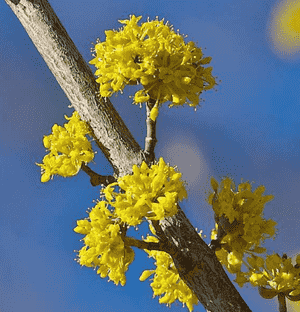
Cornelian cherry (Cornus mas)
Also known as: Cornelia-cherry, Male dogwood, Dogwood
The Cornelian cherry (*Cornus mas*), a deciduous shrub found in Central Europe, Southern Europe, and Western Asia, produces wood that is notably dense. This density is so high that, unlike most other wood types, it will actually sink when placed in water.
In This Article
Attributes of Cornelian cherry
Lifespan
Perennial
Plant Type
Tree, Shrub
Plant Height
5 m to 12 m
Spread
3.5 m to 6 m
Leaf Color
Green Yellow Red Purple
Flower Size
5 mm to 1 cm
Flower Color
Yellow Gold
Images of Cornelian cherry
Quickly Identify Cornelian cherry
1
Vibrant yellow blossoms precede leaf growth, distinctive in early spring.
2
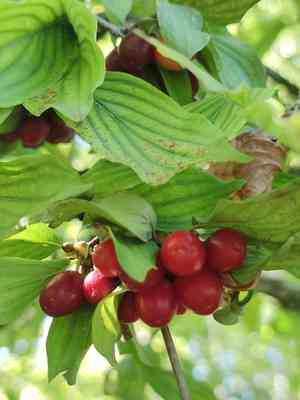
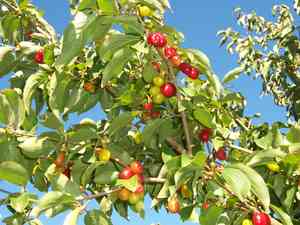
Red, olive-shaped fruits appear in mid-summer, reaching 0.5-1 inch (1.27-2.54 cm).
3
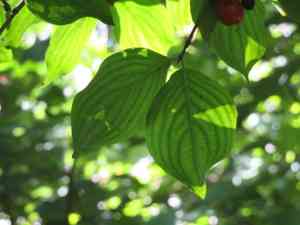
Dark green, glossy leaves transition to green, yellow, and reddish-purple in autumn.
4
Bark peels in scaly patches, revealing grayish-brown to tan hues on trunk.
5
Oppositely arranged, simple leaves with smooth margins and glossy texture.
Scientific Classification of Cornelian cherry
Phylum
Vascular plants
Class
Dicotyledons
Order
Cornales
Family
Dogwood
Genus
Dogwoods
Species
Cornelian cherry
Planting and Growing of Cornelian cherry
Care Difficulty
Easy
Watering Schedule
Every 6 days
Sunlight Requirements
Full sun
Sunshine Duration
4-8 hours
Ideal Temperature
60-70℉
Soil Type
Potting Mix, Peat Mix
Soil pH
6.5-7.5
Fertilizer Type
Balanced
Pruning Season
Spring, Summer
Pruning Area
Branches, Leaves
Pruning Frequency
Once a year
Repotting Season
Spring
Pot Type
Terracotta, Plastic
 How to Water Cornelian cherry?
For Cornus mas, watering should be thorough enough to ensure the soil is evenly moist but not waterlogged. The root zone must be allowed to absorb moisture without standing water, so it is crucial to provide approximately 500ml per session, tapering off in cooler months.
More About Watering Techniques→
What are the symptoms of an underwatered Cornelian cherry?
›
What should I do if my Cornelian cherry is not getting enough water?
›
What are the symptoms of an overwatered Cornelian cherry?
›
How to save an overwatered Cornelian cherry?
›
 What Are the Sunlight Requirements for Cornelian cherry?
Cornus mas thrives best in full sun to partial sun conditions. The plant benefits from 6 to 8 hours of daily sunlight, which supports vigorous growth, healthy flowering, and plentiful fruit production, making it an attractive and productive garden addition.
More About Sunlight Requirements Techniques→
What type of light does Cornus mas need?
›
How can I position my plant for ideal light?
›
Benefits of receiving ideal sunlight?
›
 What Is the Ideal Temperature Range for Cornelian cherry?
The ideal temperature range for Cornus mas, commonly known as Cornelian cherry, is between 60°F and 70°F. This range supports optimal growth and blooming conditions. Temperatures within this range ensure that the plant can engage in efficient photosynthesis while maintaining adequate metabolic functions necessary for its overall health and vigor.
 What Soil is Best for Cornelian cherry?
Cornus mas thrives in soil that retains adequate moisture. Good moisture retention ensures the plant remains hydrated, particularly in warmer months, promoting robust growth and fruiting. Ensuring that the soil has the right balance of water retention and drainage is key for its development. This plant requires nutrient-rich soil, full of organic matter to provide essential nutrients for vigorous growth. Adding ample compost or well-rotted manure yearly can support healthier foliage and abundant flowering, enhancing the overall vitality of the plant. While Cornus mas likes moisture, it does not tolerate water-logged soils. Good drainage prevents root rot, providing a healthier growing environment. Planting on a slight mound or in raised beds can enhance drainage, ensuring that excess water quickly moves away from the root zone.
More About Soil→
 How to Fertilize Cornelian cherry?
For Cornus mas, use a balanced 10-10-10 fertilizer. When applying liquid fertilizer, mix it at half strength, approximately one tablespoon per gallon of water, to prevent root burn. Use slow-release granules at a rate of 4 ounces per square yard.
More About Fertilizing Techniques→
 How to Prune Cornelian cherry?
Begin by removing any dead, damaged, or crossing branches. This initial step promotes healthy airflow and light penetration throughout the plant, encouraging vigorous growth and reducing the risk of disease. Focus on enhancing the plant's natural form by thinning out overcrowded areas. Selectively prune to open up the shrub's interior, ensuring a balanced structure that supports both aesthetic appeal and robust health. To encourage abundant flowering, cut back flowered shoots to a pair of buds. This practice not only fosters the development of new blooms but also boosts the plant's overall vitality, ensuring a vibrant display each year.
More About Pruning Techniques→
 How to Propagate Cornelian cherry plant?
1
Choose a healthy, semi-hardwood stem, ideally about 4-6 inches long, from Cornus mas. Make sure the cutting has several nodes and remove any leaves on the lower half to prevent rot when planted.
2
Dip the cut end of the cutting into a rooting hormone to enhance root development. Prepare a pot with well-draining soil, such as a mix of perlite and peat moss, to provide a suitable environment for root growth.
3
Plant the cutting into the soil mixture, ensuring at least one node is under the soil. Water the cutting lightly and maintain consistent moisture. Cover with a plastic dome to maintain humidity and place in a warm, bright spot, avoiding direct sunlight.
 How to Repot Cornelian cherry plant?
1
Cornus mas, commonly known as Cornelian cherry, should be repotted when its roots start circling the pot or protrude through drainage holes. This usually indicates that the plant has outgrown its current home, often seen every 2-3 years.
2
Select a new pot that is one size larger, typically 2-4 inches wider in diameter than the current pot. Ensure it has ample drainage holes; this will help prevent overwatering by allowing excess water to escape efficiently, essential for healthy root development.
3
Opt for well-draining loam mix, which provides the ideal balance of moisture retention and drainage. This type of soil will support the Cornus mas’s root system, providing necessary nutrients while preventing root rot from excessive moisture.



