
Gray dogwood (Cornus racemosa)
Also known as: Northern swamp dogwood
The gray dogwood is a great choice for a wildflower or natural garden because it is resilient and easy to care for. While it may not be the most visually striking shrub, it offers valuable shelter and nourishment for wildlife. This adaptable plant can flourish in a wide range of soil types, light conditions, and watering regimes. Its dense growth also makes it an excellent option for use as a hedge.
In This Article
Attributes of Gray dogwood
Lifespan
Perennial
Plant Type
Shrub
Plant Height
1.2 m to 8 m
Spread
5 m
Leaf Color
Green
Flower Size
2.5 cm to 5 cm
Flower Color
White Yellow Green
Images of Gray dogwood
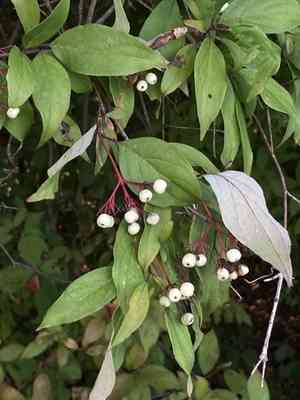
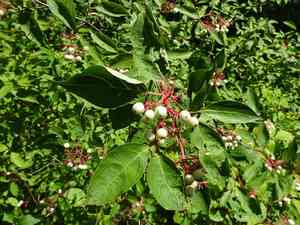
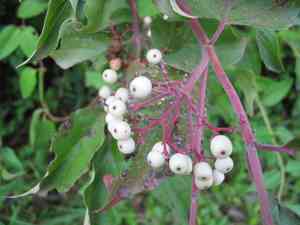
Quickly Identify Gray dogwood
1
Opposite lance-shaped leaves with wavy edges and stiff hairs.
2
Red stems and twigs, transitioning to distinctive red fruit stems.
3
Creamy-white flowers in dome-shaped clusters at branch ends.
4
Small globular white drupes on red stalks in fall.
5
Grayish-brown bark with small lenticels, developing fissures over time.
Scientific Classification of Gray dogwood
Phylum
Vascular plants
Class
Dicotyledons
Order
Cornales
Family
Dogwood
Genus
Dogwoods
Species
Gray dogwood
Planting and Growing of Gray dogwood
Care Difficulty
Easy
Watering Schedule
Every 4 days
Sunlight Requirements
Full sun
Sunshine Duration
6-10 hours
Ideal Temperature
60-75℉
Soil Type
Potting Mix, Peat Mix
Soil pH
5.5-7.5
Fertilizer Type
Balanced
Pruning Season
Spring, Summer
Pruning Area
Branches, Leaves
Pruning Frequency
2 times a year
Repotting Season
Spring
Pot Type
Plastic, Ceramic
 How to Water Gray dogwood?
Cornus racemosa prefers consistent moisture but should not sit in waterlogged soil. Water the plant thoroughly, ensuring the soil is moist but well-drained. During growth phases, increase watering to maintain evenly moist soil.
What are the symptoms of an underwatered Gray dogwood?
›
What should I do if my Gray dogwood is not getting enough water?
›
What are the symptoms of an overwatered Gray dogwood?
›
How to save an overwatered Gray dogwood?
›
 What Are the Sunlight Requirements for Gray dogwood?
Cornus racemosa thrives in conditions that offer full sun to partial shade. Ideal light levels promote optimal growth, vibrant foliage colors, and plentiful blooms, enhancing the plant's overall aesthetic and health.
More About Sunlight Requirements Techniques→
How much sunlight does Cornus racemosa need?
›
What is the best way to provide this light?
›
What benefits does ideal lighting bring?
›
 What Is the Ideal Temperature Range for Gray dogwood?
The ideal temperature range for growing Cornus racemosa is between 60°F and 75°F. This range ensures optimal growth and blooming of the plant. Temperatures within this range help maintain the plant's metabolic processes at a stable rate, encouraging healthy foliage and flower development. Beyond this, stable temperatures reduce the risk of stress-related issues.
 What Soil is Best for Gray dogwood?
Grey Dogwood thrives in soil that offers good moisture retention. This helps in maintaining a steady water supply for the plant, reducing the need for frequent watering and promoting healthy growth. A nutrient-rich soil is essential for Grey Dogwood, as it provides the necessary minerals and nutrients that promote robust foliage and blooms. Ensuring a fertile soil base encourages lush growth and enhances the plant's overall vigor. Proper drainage is crucial to prevent waterlogging, which can harm Grey Dogwood's root system. A well-draining soil ensures excess water is effectively removed, protecting the plant against root rot and other related issues.
More About Soil→
 How to Fertilize Gray dogwood?
For Cornus racemosa, it's essential to use a balanced approach when it comes to fertilization. During the growing season, apply approximately 1 to 2 pounds of fertilizer per 100 square feet of soil for optimal nutrient absorption. This will ensure the shrub receives the necessary nutrients without overwhelming its root system.
More About Fertilizing Techniques→
 How to Prune Gray dogwood?
Despite being possible to prune Cornus racemosa in any season, strategic pruning during Spring and Summer fosters robust growth. These seasons allow for the wounds to heal more rapidly under the warm conditions, reducing stress on the plant. Avoid cutting too close to the main stem or too far from the node to prevent die-back and encourage new growth. Over-pruning can cause stress and inhibit the plant's flowering and berry production, which are key ornamental features of the gray dogwood.
More About Pruning Techniques→
 How to Propagate Gray dogwood plant?
1
Collect seeds from the Cornus racemosa plant after fruiting. Clean the seeds thoroughly to remove any pulp and store them in a cool, dry place until ready for sowing in early spring.
2
Select healthy, disease-free wood from a mature plant during early spring. Cut 6-8 inch long sections of the stem and remove the lower leaves before planting.
3
The division involves digging up the plant and carefully separating the roots. Ensure each division has a healthy root system and several shoots, then replant immediately.
 How to Repot Gray dogwood plant?
1
Cornus racemosa shows signs of needing a new pot when the roots begin circling the bottom of the container, or it experiences stunted growth. Repot during the Spring or Summer when the plant is actively growing for better adaptation.
2
Opt for a pot that is one size larger and has ample drainage holes. Providing enough space helps in healthy root expansion and avoids waterlogging that can lead to root rot.
3
Choose well-drained loamy soil enriched with organic matter. This combination offers essential nutrients and prevents compaction, promoting healthy root development and overall plant vigor.



