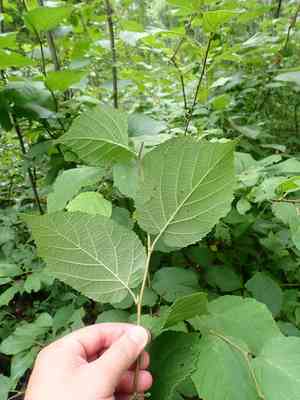
American hazelnut (Corylus americana)
Also known as: American hazel
The American hazelnut (Corylus americana) is a deciduous shrub that reaches heights of 8 to 15 feet. It commonly grows in thickets, woodlands, and prairies. This adaptable plant does best in full sun to partial shade. In early spring, it produces conspicuous male catkins and smaller female flowers. By late summer to early fall, it bears edible nuts that are popular with birds.
In This Article
Attributes of American hazelnut
Lifespan
Perennial
Plant Type
Shrub
Plant Height
2.5 m to 3.5 m
Spread
2.5 m to 3.5 m
Leaf Color
Green Yellow Red Orange
Flower Size
2.5 cm to 8 cm
Flower Color
Yellow Green Red White Brown
Images of American hazelnut
Quickly Identify American hazelnut
1
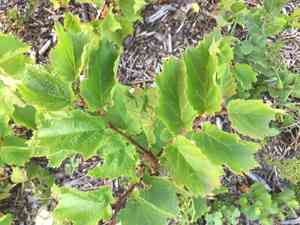
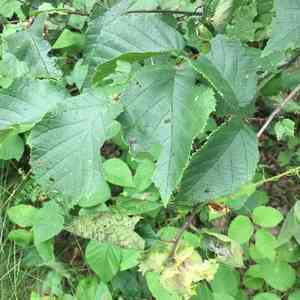
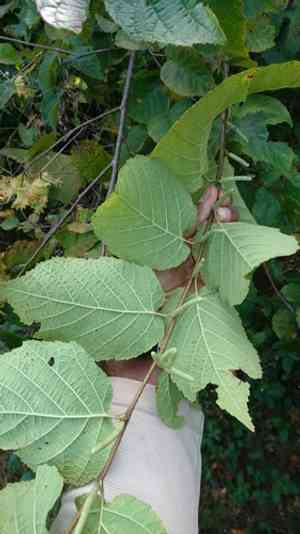
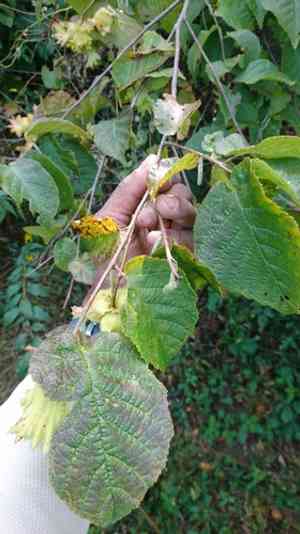
Leaves are rounded with double-serrated edges, transitioning to vibrant yellow to red in fall.
2
Female flowers have red stigmata, while male flowers are yellow-brown catkins.
3
Fruit consists of small, green to brown nuts enclosed in textured bracts.
4
Stems are slender, light green, with short fine hairs for a fuzzy texture.
5
Bark evolves from smooth gray on younger stems to rugged with deep furrows on older branches.
Scientific Classification of American hazelnut
Phylum
Vascular plants
Class
Dicotyledons
Order
Fagales
Family
Birch
Genus
Hazels
Species
American hazelnut
Planting and Growing of American hazelnut
Care Difficulty
Easy
Watering Schedule
Every 3 days
Sunlight Requirements
Full sun
Sunshine Duration
4-8 hours
Ideal Temperature
60-75℉
Soil Type
Potting Mix, Peat Mix
Soil pH
6.5-7.5
Fertilizer Type
Balanced
Pruning Season
Spring, Summer
Pruning Area
Branches, Leaves
Pruning Frequency
2 times a year
Repotting Season
Spring
Pot Type
Plastic, Ceramic
 How to Water American hazelnut?
Corylus americana prefers moderate yet consistent watering. Ensure the soil is moistened to a depth of several inches (at least 6 inches) to support root health, but be cautious to avoid waterlogging, which can cause root rot. Approximately once a week during the growing season should suffice, or when the top 2 inches of soil feel dry to the touch.
What are the symptoms of an underwatered American hazelnut?
›
What should I do if my American hazelnut is not getting enough water?
›
What are the symptoms of an overwatered American hazelnut?
›
How to save an overwatered American hazelnut?
›
 What Are the Sunlight Requirements for American hazelnut?
Corylus americana thrives in full to partial sun, benefiting from daily exposure of 4-6 hours. Ideal light promotes robust growth, lush foliage, and enhances nut production, contributing to a healthy plant.
More About Sunlight Requirements Techniques→
What is the ideal location for Corylus americana?
›
How can I adjust lighting for different seasons?
›
What are the benefits of correct lighting for Corylus americana?
›
 What Is the Ideal Temperature Range for American hazelnut?
Corylus americana thrives best within a temperature range of 60°F to 75°F. This range provides the ideal conditions for the plant's physiological processes, including photosynthesis, nutrient uptake, and growth. Maintaining temperatures within this range will promote robust growth and ensure the plant remains healthy and productive.
 What Soil is Best for American hazelnut?
Corylus americana prefers well-draining soils to prevent excessive moisture retention which can lead to root rot. Ensuring good drainage helps in vigorous growth and health of the shrub. It allows adequate air exchange within the root zone, promoting healthy root development. This plant thrives in soils that maintain consistent moisture but are not waterlogged. Providing a balanced moisture level ensures steady nutrient uptake and reduces stress on the plant, leading to lush foliage and robust flowering. Nutrient-rich soil supports the robust growth of Corylus americana. The presence of organic matter such as compost can enhance soil fertility, promote root development, and increase the plant's resistance to pests and diseases.
More About Soil→
 How to Fertilize American hazelnut?
For Corylus americana, it is generally recommended to apply about 1 pound of general-purpose granular fertilizer per year. This amount supports the plant's growth without causing nutrient overload. When using liquid fertilizer, mix it according to the manufacturer's instructions, which typically involves diluting it in water.
More About Fertilizing Techniques→
 How to Prune American hazelnut?
Start by identifying the central leader of the shrub and aim to maintain an open center for better light exposure. Use clean, sharp tools to make angled cuts just above a bud, ensuring new growth will develop outward. Remove any crossing or inward-growing branches to maintain an optimal structure. To shape your Corylus americana, begin by defining its natural form and focusing on uniformity. Focus on thinning the crown by removing older, thicker canes at ground level, which promotes a renewed, vigorous multi-stemmed shrub appearance over time.
More About Pruning Techniques→
 How to Propagate American hazelnut plant?
1
Collect seeds from mature Corylus americana nuts. Clean them thoroughly and keep them dry before storage. Stratify them by placing them in moist sand in a refrigerator for three to four months to mimic winter conditions.
2
Select healthy, disease-free branches about 6-8 inches long for cuttings. Ensure you make the cut just below a node, and remove leaves from the lower half to minimize moisture loss.
3
For layering, choose a low branch and bend it to the ground. Make a small wound in the branch where it contacts the soil, and use a stake to keep it in place. Cover with soil and water regularly.
 How to Repot American hazelnut plant?
1
The ideal time to repot Corylus americana is when you notice signs of rootbound growth, such as roots growing out of the drainage holes or the plant becoming top-heavy. Additionally, you might find that despite regular watering, the soil dries out quickly, indicating the need for a more spacious environment.
2
Opt for a pot that is 2-3 inches larger in diameter than the current one. Ensure it has adequate drainage holes to prevent waterlogging. A pot too large may lead to excess soil moisture, increasing the risk of root rot. Choosing a pot with a compatible color and design enhances the aesthetic appeal of your plant.
3
Select a loamy, well-draining soil mix. This type of soil retains enough moisture to support plant growth while ensuring proper drainage. A well-balanced soil enhances nutrient uptake, promoting healthier and more robust growth in Corylus americana.



