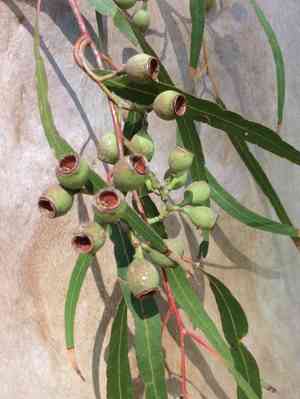
Lemon-scented gum (Corymbia citriodora)
Also known as: Lemon eucalyptus
The Lemon-scented Gum (*Corymbia citriodora*), a towering tree native to northern and eastern Australia, is well-known for its delightful lemon fragrance. The essential oil derived from this tree is popular for its pleasant aroma and effectiveness in insect repellents. King's Park in Perth, Australia, is renowned for its notable collection of these fragrant trees.
In This Article
Attributes of Lemon-scented gum
Lifespan
Perennial
Plant Type
Tree
Plant Height
28 m
Spread
4 m to 15 m
Leaf Color
Green
Flower Size
1-2 centimeters
Flower Color
White Yellow Cream
Images of Lemon-scented gum
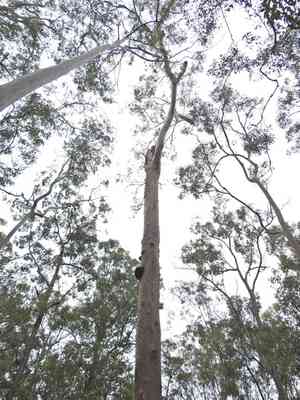
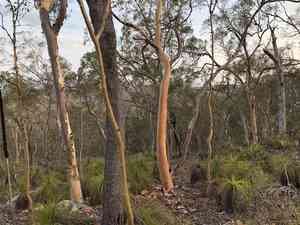
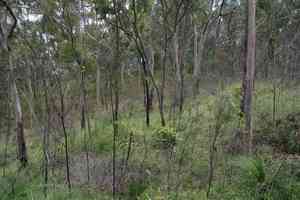
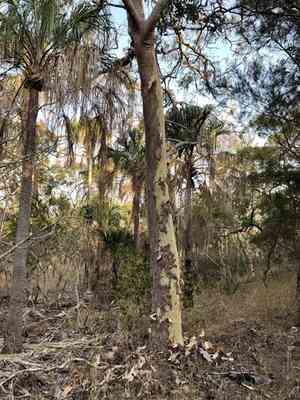
Quickly Identify Lemon-scented gum
1
Towering height exceeding 100 feet (30 meters).
2
Smooth bark varying from powdery white to mottled, peels in late summer to fall.
3
Vibrant yellow-green narrow foliage emitting a lemony scent when crushed.
4
Produces small white flowers in trios from mid to late winter.
Scientific Classification of Lemon-scented gum
Phylum
Vascular plants
Class
Dicotyledons
Order
Myrtales
Family
Myrtle
Genus
Corymbia
Species
Lemon-scented gum
Planting and Growing of Lemon-scented gum
Care Difficulty
Easy
Watering Schedule
Every 2 days
Sunlight Requirements
Full sun
Sunshine Duration
6-10 hours
Ideal Temperature
64-75℉
Soil Type
Potting Mix, Peat Mix
Soil pH
6.5-7.5
Fertilizer Type
Balanced
Pruning Season
Spring, Summer
Pruning Area
Branches, Leaves
Pruning Frequency
2 times a year
Repotting Season
Spring
Pot Type
Plastic, Ceramic
 How to Water Lemon-scented gum?
When watering Corymbia citriodora, aim to provide approximately 1000 ml of water. The soil should be kept moist but not waterlogged. It's essential to allow the top 2 inches of the soil to dry before the next watering. This ensures that the plant gets adequate moisture without causing root rot. If you're growing it outdoors, ensure that it gets a generous soak, especially during hot, dry spells.
More About Watering Techniques→
What are the symptoms of an underwatered Lemon-scented gum?
›
What should I do if my Lemon-scented gum is not getting enough water?
›
What are the symptoms of an overwatered Lemon-scented gum?
›
How to save an overwatered Lemon-scented gum?
›
 What Are the Sunlight Requirements for Lemon-scented gum?
Corymbia citriodora thrives ideally under conditions of full sun to partial sun, where it can benefit from at least 6 hours of direct sunlight. Sufficient light exposure aids in luxuriant leaf growth and robust aromatic oil production, essential for its characteristic fragrance and pest resistance.
More About Sunlight Requirements Techniques→
Question 1: What is the ideal lighting condition for Corymbia citriodora?
›
Question 2: How can you ensure it receives the ideal sunlight?
›
Question 3: What are the benefits of receiving ideal light?
›
 What Is the Ideal Temperature Range for Lemon-scented gum?
Corymbia citriodora thrives within an ideal temperature range of 64°F to 75°F. This range provides the optimal thermal conditions necessary for strong growth and development, including the maintenance of their unique aromatic properties. At this range, the physiological processes of the plant, including photosynthesis and respiration, occur efficiently, allowing for the healthiest development of foliage and overall plant vigor.
 What Soil is Best for Lemon-scented gum?
Corymbia citriodora thrives best in well-draining soil, which prevents waterlogging that could lead to root rot. This condition also allows roots to access oxygen better, essential for healthy growth and vitality. A nutrient-rich loamy soil provides essential minerals and nutrients, promoting robust foliage growth and vibrant leaf color. Such soil aids in plant resilience against pests and diseases. Balancing moisture is key; the soil should retain enough water to support the plant’s needs but not so much that it becomes soggy. This helps in sustaining the plant during dry spells while preventing over-saturation.
More About Soil→
 How to Fertilize Lemon-scented gum?
For Corymbia citriodora, when using liquid fertilizer, it is ideal to apply at half the recommended strength to avoid any risk of over-fertilization. For slow-release granules, use approximately one tablespoon per square foot of soil surface.
More About Fertilizing Techniques→
 How to Prune Lemon-scented gum?
Begin by inspecting the tree for any dead or damaged branches, which should be removed first. Make clean cuts close to the trunk or main limb, using sharp, sterilized tools to avoid disease spread. To shape the canopy, selectively prune branches that cross each other or grow inwards. Focus on creating an open structured canopy to allow light and air to penetrate, which benefits the plant's health and growth. If height control is necessary, prune the higher branches down to a lateral branch. This ensures the tree maintains a manageable size while promoting the growth of lower branches, balancing the overall shape.
More About Pruning Techniques→
 How to Propagate Lemon-scented gum plant?
1
Start by collecting seeds from mature Corymbia citriodora trees. Clean the seeds thoroughly to remove any pulp or debris, as this can encourage mold growth. Allow the seeds to dry for a day before planting. Soak the seeds in water overnight to improve germination chances.
2
Select a healthy branch of the Corymbia citriodora tree. Cut a 10-15 cm long section of the branch with several nodes. Remove the lower leaves carefully, leaving a few at the top. Dip the cut end in rooting hormone to encourage root development before planting it in soil.
3
Plant the seeds or cuttings in a well-draining soil mix. Water them thoroughly, ensuring the soil remains moist but not waterlogged. Place the containers in a bright, indirect sunlight location to avoid hard sun exposure, which can dry out the soil. Maintain a warm temperature for optimum growth.
 How to Repot Lemon-scented gum plant?
1
Look for roots growing through the drainage holes, soil drying out too quickly, or stunted growth. These are signals that it's time to repot Corymbia citriodora. Ideally, repot in spring or early summer when the plant is actively growing.
2
Choose a pot that is one size larger than the current one, with drainage holes to prevent waterlogging. Terra-cotta pots are a good choice as they allow breathability, helping to regulate soil moisture levels and reduce the risk of root rot.
3
Select a well-draining potting mix that contains a blend of sand, peat moss, and perlite. This mixture mimics the natural environment of Corymbia citriodora, providing adequate drainage and preventing soil compaction, ensuring healthy root development.



