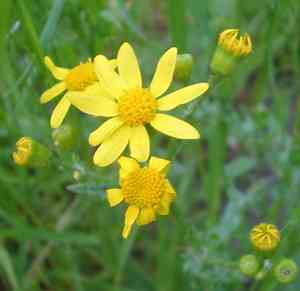
Redflower ragleaf (Crassocephalum crepidioides)
Also known as: Ebolo, Fireweed
Crassocephalum crepidioides is a slightly succulent herbaceous plant that can reach a height of up to 1.8 meters. It features mucilaginous, fleshy leaves and is commonly consumed as a vegetable. This plant is notably prevalent throughout tropical Africa.
In This Article
Attributes of Redflower ragleaf
Lifespan
Annual, Perennial
Plant Type
Herb
Plant Height
20 cm to 1.2 m
Spread
30 cm
Leaf Color
Green Yellow Gold
Flower Size
1 cm
Flower Color
Red Yellow
Images of Redflower ragleaf
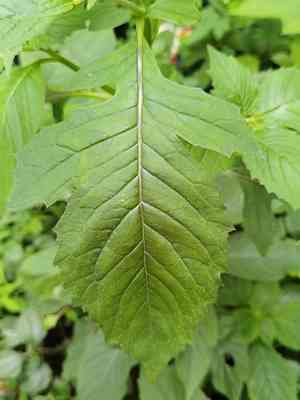
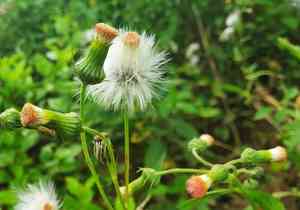
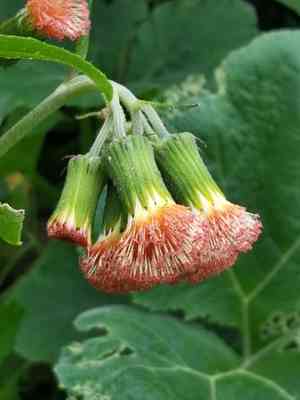
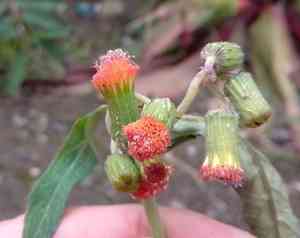
Quickly Identify Redflower ragleaf
1
Broad, serrated leaves measuring 2-6 inches (5-15 cm) in length.
2
Bright, small yellow flowers clustered in loose inflorescence, atop 20-40 inches (50-100 cm) stems.
3
Petal-less flowers in vibrant reddish-pink to reddish-orange clusters, each approximately 0.4 inches (1 cm).
4
Tiny reddish-brown achenes with delicate, wind-dispersal facilitating hairs.
5
Green stems with ribs and thick hairs, 0.2-0.4 inches (5-10 mm) in diameter.
Scientific Classification of Redflower ragleaf
Phylum
Vascular plants
Class
Dicotyledons
Order
Asterales
Family
Daisy
Genus
Ragleaf
Species
Redflower ragleaf
Planting and Growing of Redflower ragleaf
Care Difficulty
Easy
Watering Schedule
Every 4 days
Sunlight Requirements
Partial sun
Sunshine Duration
4-8 hours
Ideal Temperature
68-77℉
Soil Type
Potting Mix, Peat Mix
Soil pH
6.5-7.5
Fertilizer Type
Balanced
Pruning Season
Spring, Summer
Pruning Area
Branches, Leaves
Pruning Frequency
2 times a year
Repotting Season
Spring
Pot Type
Plastic, Ceramic
 How to Water Redflower ragleaf?
Crassocephalum crepidioides thrives when watered thoroughly but allowed to dry out slightly between waterings. Aim to water until the top 5 cm of soil is moist but not soggy, as consistent dampness can lead to root rot. Generally, 250 ml of water per session is sufficient, depending on pot size and environmental conditions.
What are the symptoms of an underwatered Redflower ragleaf?
›
What should I do if my Redflower ragleaf is not getting enough water?
›
What are the symptoms of an overwatered Redflower ragleaf?
›
How to save an overwatered Redflower ragleaf?
›
 What Are the Sunlight Requirements for Redflower ragleaf?
Partial sun to full sun exposure for about 4 to 6 hours a day promotes optimal growth and foliage health. This light range supports photosynthesis, enhances coloring, and contributes to a robust plant structure.
What is the optimal light for Crassocephalum crepidioides?
›
How can I ensure Crassocephalum crepidioides gets ideal lighting?
›
What benefits does ideal lighting provide to Crassocephalum crepidioides?
›
 What Is the Ideal Temperature Range for Redflower ragleaf?
Crassocephalum crepidioides thrives in a temperature range of 68-77°F. This range is conducive to its optimal growth, providing the right conditions for metabolic processes and photosynthesis. Such temperatures ensure that the plant uses its resources effectively, maintaining its health and growth rate.
 What Soil is Best for Redflower ragleaf?
Crassocephalum crepidioides thrives in soils that retain moisture well, such as loam. Keeping the soil adequately moist supports healthy growth and ensures the plant doesn't suffer from drought stress. Providing nutrient-rich soil is crucial for Crassocephalum crepidioides, as it supports optimal leaf and stem development. Loamy soils often naturally contain higher nutrients, which fosters lush growth. Well-drained soils, like sandy loam, prevent water accumulation around the roots, reducing the risk of root rot and promoting healthy root systems. This ensures the plant can access adequate oxygen, supporting vigorous growth.
 How to Fertilize Redflower ragleaf?
Crassocephalum crepidioides, commonly known as the fireweed, benefits from balanced fertilizer application. A general recommendation is to apply 1/4 teaspoon of balanced liquid fertilizer per gallon of water during the growing season to promote healthy foliage and vibrant blooms. For slow-release fertilizers, consider using a 10-10-10 formula, applying 1/2 cup per plant base in the spring.
 How to Prune Redflower ragleaf?
Always wear gloves when pruning Crassocephalum crepidioides, as this protects your hands and minimizes the risk of injury from sharp tools. Additionally, ensure your pruning tools are clean and sterilized before and after use to prevent the spread of disease. It's particularly important to avoid pruning when the plant is wet, as this can increase the risk of spreading fungal infections. After pruning, dispose of any removed plant material carefully, as the debris can harbor pests and diseases.
 How to Propagate Redflower ragleaf plant?
1
Collect mature seeds from the plant and allow them to dry for a few days. Once dried, prepare soil mixed with compost in a seed tray and evenly spread the seeds across the surface. Lightly cover the seeds with more soil, ensuring they are just beneath the surface.
2
Using sharp pruners, take cuttings from healthy, non-flowering stems around 10 cm long. Remove the leaves from the lower half of each cutting to reduce moisture loss and prepare them for planting.
3
Once seeds sprout or cuttings begin to root, gradually increase their exposure to sunlight. Ensure that they receive regular watering but do not allow standing water, as it can encourage root rot.
 How to Repot Redflower ragleaf plant?
1
Crassocephalum crepidioides should be repotted when you notice roots emerging from the drainage holes, indicating that the plant has outgrown its current pot. Additionally, if the plant appears stunted or isn't thriving despite appropriate care, it may be time for a repot. The ideal time for repotting is during its growing seasons, in spring or summer, when the plant can recover quickly from root disturbance.
2
Choose a new pot that is roughly 2 inches larger in diameter than the current one. This provides adequate space for the roots to grow. Ensure the pot has ample drainage holes to prevent water from accumulating at the bottom, as good drainage will help prevent root rot. The material of the pot can be clay, ceramic, or plastic, depending on personal preference, as all can work well if they have sufficient drainage.
3
Opt for a well-draining potting mix that allows excess water to flow freely through the soil. A soil blend for succulents or cacti is ideal because it provides the right balance of aeration and moisture retention. This type of soil will ensure the roots receive adequate oxygen, reducing the risk of waterlogging and promoting a healthy root system.
Toxicity
Ingestion
WARNING
The judgment on toxicity and danger is for reference only. We DO NOT GUARANTEE any accuracy of such judgment. Therefore, you SHALL NOT rely on such judgment. It is IMPORTANT TO SEEK PROFESSIONAL ADVICE in advance when necessary.
Learn More About Redflower ragleaf Diseases
Anthracnose
Bacterial Leaf Spot
Bacterial Soft Rot
Bacterial Wilt
Chemical Injury
Damping-off
Downy Mildew
Drought Stress
Fusarium Wilt
Gray Mold
Leaf Spot
Mosaic
Nutrient Deficiency
Nutrient Toxicity
Powdery Mildew
Root Rot
Root-knot Nematode
Rusts
Sooty Mold
Spider Mites
Temperature Stress
Thrips Damage
White Mold



