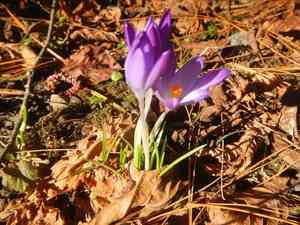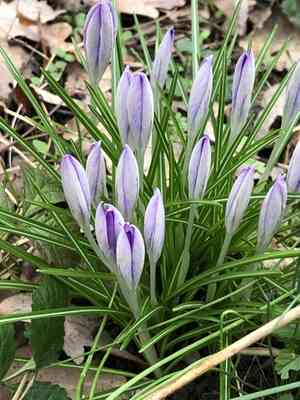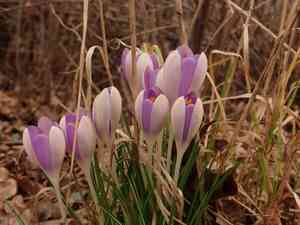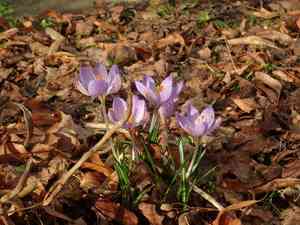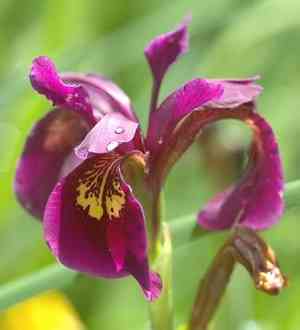
Woodland crocus(Crocus tommasinianus)

Woodland crocus (Crocus tommasinianus)

Also known as: Tommasini's crocus, Early crocus

Woodland crocus (Crocus tommasinianus) is known for its early blooms from late winter to early spring, making it a popular choice for ornamental gardens. To ensure healthy growth and vibrant flowers, plant the bulbs in the fall, ideally between September and November. Bulbs established in the ground for several years often bloom earlier than those planted the previous fall.

Attributes of Woodland crocus

Lifespan
Perennial
Plant Type
Herb
Plant Height
10 cm
Spread
5 cm
Leaf Color
Green
Flower Size
1-2 inches (2.5-5 cm)
Flower Color
Purple White Pink Red Lavender Violet

PlantJoy - Identify plants with a snap

Identify and diagnose plants, get toxicity alerts, and explore safety guides for all types of fungi.

Try for Free

Images of Woodland crocus

Woodland crocus(Crocus tommasinianus)

Quickly Identify Woodland crocus

1
Bright, cup-shaped flowers 1-4 inches across (2.5-10 cm)
2
Lavender to red-purple flower color with white throats
3
Blooms unfurl in morning and close at evening

Scientific Classification of Woodland crocus

Phylum
Vascular plants
Class
Monocotyledons
Order
Asparagales
Family
Iris
Genus
Crocuses
Species
Woodland crocus

Planting and Growing of Woodland crocus

Care Difficulty
Easy
Watering Schedule
Every 4 days
Sunlight Requirements
Full sun
Sunshine Duration
6-12 hours
Ideal Temperature
50-68℉
Soil Type
Potting Mix, Peat Mix
Soil pH
6.5-7.5
Fertilizer Type
Balanced
Pruning Season
Spring, Summer
Pruning Area
Branches, Leaves
Pruning Frequency
2 times a year
Repotting Season
Spring
Pot Type
Plastic, Terracotta

water icon How to Water Woodland crocus?

For Crocus tommasinianus, it is important to ensure the soil is evenly moist but not waterlogged. Watering should be done to a depth where the top 2 inches of soil are moist. This ensures proper hydration without drowning the roots.
What are the symptoms of an underwatered Woodland crocus?
What should I do if my Woodland crocus is not getting enough water?
What are the symptoms of an overwatered Woodland crocus?
How to save an overwatered Woodland crocus?

sunlight icon What Are the Sunlight Requirements for Woodland crocus?

Sunlight Requirements: Full sun, Partial sun
Duration of light: 3 to 6 hours
Crocus tommasinianus enjoys full to partial sun, with benefits including stronger, healthier blooms, enhanced bulb multiplication, and resistance to common plant stressors due to adequate photosynthesis.
What is the best position for Crocus tommasinianus?
How can I ensure Crocus tommasinianus gets ideal lighting?
What are the benefits of ideal lighting for Crocus tommasinianus?
More About Sunlight Requirements Techniques

temperature icon What Is the Ideal Temperature Range for Woodland crocus?

Ideal Temperature: 50 ~ 68℉
Crocus tommasinianus thrives best in temperatures ranging from 50 to 68°F. This temperature range offers the perfect balance between warmth and coolness, allowing the plants to grow efficiently. In this range, the metabolic processes are optimized, enhancing flowering and root development.

soil icon What Soil is Best for Woodland crocus?

Soil type: Loam, Sandy loam, Sand soil
Soil PH: 6.5 ~ 7.5
Crocus tommasinianus thrives in well-draining soils that allow excess water to escape efficiently, preventing root rot and other moisture-related diseases. This ensures healthy root growth and vibrant blooms. A nutrient-rich soil mix helps support the growth and flowering of Crocus tommasinianus. Supplementing with organic matter or a balanced fertilizer can provide essential nutrients. The bulbs of Crocus tommasinianus benefit from loose and aerated soil, which promotes easier root expansion and improves access to nutrients, leading to more robust flowering.

fertilize icon How to Fertilize Woodland crocus?

Fertilizer type: Balanced
When fertilizing Crocus tommasinianus, it’s important to provide a balanced quantity that’s gentle yet supportive of its growth. Typically, you should use a water-soluble fertilizer diluted to half the recommended strength, and apply about 1-2 teaspoons per square foot, ensuring not to overwhelm the delicate plant.

prune icon How to Prune Woodland crocus?

Pruning Time: Autumn
Begin by gently pulling or cutting away any dead or withered foliage. It's important to wait until the foliage has naturally yellowed and dried after flowering, as this allows the plant to fully photosynthesize and store energy for the next growing cycle. More About Pruning Techniques

propagate icon How to Propagate Woodland crocus plant?

Propagate Time: Early spring, Late autumn
1
Begin by filling seed trays with well-draining soil. Sow the Crocus tommasinianus seeds on the soil surface, pressing them lightly into the soil. Cover the seeds with a thin layer of soil or vermiculite and water gently.
2
Carefully dig up the corms during early spring or late autumn. Use a sharp knife to divide the corms, ensuring each division has a healthy portion of the root system. Replant the divided corms in prepared soil promptly.
3
After sowing seeds or planting divided corms, water the area thoroughly. Maintain consistent moisture levels, but avoid waterlogging. Provide protection from harsh weather to ensure healthy growth.
More About Propagating Techniques

repot icon How to Repot Woodland crocus plant?

Repotting frequency: Every 3-4 years
1
Crocus tommasinianus typically needs repotting when its bulbs begin to outgrow the current pot, showing visible crown growth above the soil surface, or if the pot retains too much water. Ideally, repot when you notice decreased flower production or if roots become visible at drainage holes.
2
Opt for a terracotta or ceramic pot with ample drainage holes to ensure root aeration and prevent waterlogging. The new pot should be slightly larger than the previous one, allowing some room for bulb growth but not so large that soil moisture retention becomes excessive. This balance safeguards against overwatering and ensures efficient drainage.
3
Select a gritty, well-draining soil mix, ideally comprising sandy loam or a combination of garden soil, coarse sand, and fine gravel. This encourages healthy root growth, prevents water accumulation, and mimics the natural rocky ground conditions Crocus tommasinianus thrives in, promoting optimal plant health.

PlantJoy - Identify plants with a snap

Find the best spots for them to optimize their health, simply using your phone.

Try for Free

Toxicity of Woodland crocus

Is Woodland crocus toxic to cat?

The woodland crocus exhibits a toxic nature for cats. Cats may suffer poisoning if they inadvertently eat any part of this plant. Due to its toxicity, ingestion can lead to discomfort in cats, including gastrointestinal issues or neurological symptoms. It is essential for cat owners to keep a watchful eye on their pets and restrict their access to woodland crocus. If a cat consumes any part of the woodland crocus, it is crucial to take them to a veterinary hospital promptly for proper treatment to alleviate any adverse effects or illnesses associated with the poisoning.

Is Woodland crocus toxic to dog?

The woodland crocus is recognized as a toxic species for dogs. When any part of this plant is ingested by a dog, it poses a risk of poisoning due to its toxic properties. Dogs may inadvertently consume pieces of the woodland crocus while exploring the outdoors or if they gain access to areas where the plant is located. The potential symptoms that may arise following the ingestion of woodland crocus include gastrointestinal distress, vomiting, diarrhea, excessive salivation, and potentially more severe systemic repercussions based on the quantity consumed. It is essential for dog owners to remain alert and stop their pets from coming into contact with woodland crocus. If there is a suspicion that a dog has ingested any part of this plant, it is critical to obtain prompt veterinary assistance to ensure the most favorable outcome for the animal.

Identify toxic plants for your safety

Learn which plants are harmful to you and your pets, and make informed choices for a safer home!

Try for Free
WARNING
The judgment on toxicity and danger is for reference only. We DO NOT GUARANTEE any accuracy of such judgment. Therefore, you SHALL NOT rely on such judgment. It is IMPORTANT TO SEEK PROFESSIONAL ADVICE in advance when necessary.
More About Toxic Techniques