
Woodland crocus (Crocus tommasinianus)
Also known as: Tommasini's crocus, Early crocus
Woodland crocus (Crocus tommasinianus) is known for its early blooms from late winter to early spring, making it a popular choice for ornamental gardens. To ensure healthy growth and vibrant flowers, plant the bulbs in the fall, ideally between September and November. Bulbs established in the ground for several years often bloom earlier than those planted the previous fall.
Attributes of Woodland crocus
Images of Woodland crocus
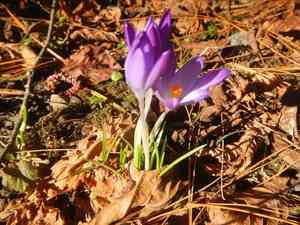
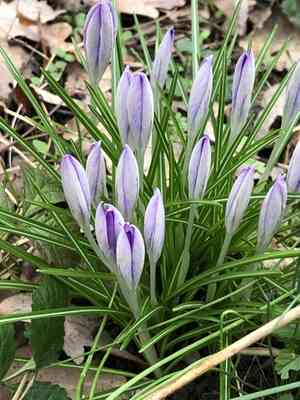

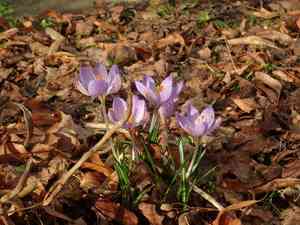
Quickly Identify Woodland crocus
Scientific Classification of Woodland crocus
Planting and Growing of Woodland crocus
 How to Water Woodland crocus?
 What Are the Sunlight Requirements for Woodland crocus?
 What Is the Ideal Temperature Range for Woodland crocus?
 What Soil is Best for Woodland crocus?
 How to Fertilize Woodland crocus?
 How to Prune Woodland crocus?
 How to Propagate Woodland crocus plant?
 How to Repot Woodland crocus plant?
Toxicity of Woodland crocus
Is Woodland crocus toxic to cat?
The woodland crocus exhibits a toxic nature for cats. Cats may suffer poisoning if they inadvertently eat any part of this plant. Due to its toxicity, ingestion can lead to discomfort in cats, including gastrointestinal issues or neurological symptoms. It is essential for cat owners to keep a watchful eye on their pets and restrict their access to woodland crocus. If a cat consumes any part of the woodland crocus, it is crucial to take them to a veterinary hospital promptly for proper treatment to alleviate any adverse effects or illnesses associated with the poisoning.
Is Woodland crocus toxic to dog?
The woodland crocus is recognized as a toxic species for dogs. When any part of this plant is ingested by a dog, it poses a risk of poisoning due to its toxic properties. Dogs may inadvertently consume pieces of the woodland crocus while exploring the outdoors or if they gain access to areas where the plant is located. The potential symptoms that may arise following the ingestion of woodland crocus include gastrointestinal distress, vomiting, diarrhea, excessive salivation, and potentially more severe systemic repercussions based on the quantity consumed. It is essential for dog owners to remain alert and stop their pets from coming into contact with woodland crocus. If there is a suspicion that a dog has ingested any part of this plant, it is critical to obtain prompt veterinary assistance to ensure the most favorable outcome for the animal.



