
Hogwort (Croton capitatus)
Also known as: Woolly croton
Croton capitatus, commonly known as Goatweed or Hogwort, is an annual invasive plant that can reach heights of 30 to 91 cm. Its stems and leaves are covered in dense hairs, giving the plant a distinctive grayish look.
Attributes of Hogwort
Images of Hogwort
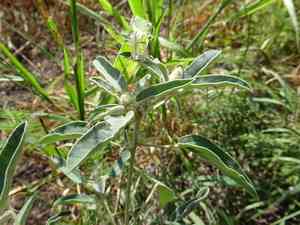
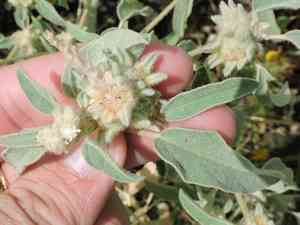
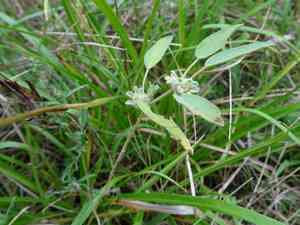
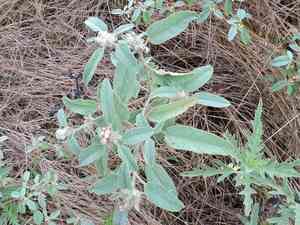
Quickly Identify Hogwort
Scientific Classification of Hogwort
Planting and Growing of Hogwort
 How to Water Hogwort?
 What Are the Sunlight Requirements for Hogwort?
 What Is the Ideal Temperature Range for Hogwort?
 What Soil is Best for Hogwort?
 How to Fertilize Hogwort?
 How to Prune Hogwort?
 How to Propagate Hogwort plant?
 How to Repot Hogwort plant?
Toxicity of Hogwort
Is Hogwort toxic to humans?
Every part of hogwort contains mild toxins that can adversely affect humans when consumed in significant amounts or upon contact, primarily attributed to the presence of croton oil. Symptoms associated with hogwort poisoning encompass vomiting, diarrhea, feelings of nervousness, skin irritation, and blistering. Generally, skin irritations tend to persist for just a few minutes. Given that this plant commonly grows in pastures, fields, roadsides, and prairies, it is advisable to exercise caution when traversing these areas with bare skin. To prevent any skin irritation, it is essential to handle this plant with care while wearing gloves.
Is Hogwort toxic to cat?
Hogwort presents a slight toxicity risk for felines. Poisoning mainly happens when a cat ingests significant amounts of any portion of the plant. If there is suspicion that a cat has consumed hogwort, it is vital to observe for any indications of physical discomfort or illness, as these can arise due to the toxic effects. Early recognition of these symptoms is essential, and pet owners should promptly seek veterinary care to guarantee the health of their animal.
Is Hogwort toxic to dog?
The hogwort plant species is categorized as having a mild level of toxicity for dogs. If canines consume this plant in excessive quantities, they may face a risk of poisoning. Every part of hogwort is deemed toxic, meaning that eating any section of the plant could potentially lead to negative health consequences for dogs. Symptoms resulting from hogwort poisoning can differ, but might include gastrointestinal disturbances such as vomiting or diarrhea, lethargy, or more serious indications depending on how much was consumed. It is essential for dog owners to keep a close watch on their pets and restrict access to hogwort, especially if the dog has a habit of chewing on plants. Should a dog ingest hogwort, it is vital to obtain immediate veterinary assistance to ensure appropriate treatment and management of any symptoms.



