
Toothache grass (Ctenium aromaticum)
Also known as: Aromatic Rosette Grass
Toothache grass thrives in fire-prone, sandy, and nutrient-poor environments, commonly found in southeastern U.S. pine savannas and flatwoods. As an indicator species, its presence reveals a well-maintained ecosystem with necessary fire cycles, which are crucial for sustaining biodiversity and overall health of these habitats. If toothache grass begins to decline, it may signal disruptions in the natural fire regime or other ecological imbalances.
In This Article
Attributes of Toothache grass
Lifespan
Perennial
Plant Type
Grass
Plant Height
61 cm to 91 cm
Spread
15-30 cm
Leaf Color
Green
Flower Size
2-4 mm (individual florets, but overall inflorescence can be larger)
Flower Color
Green White Yellow Cream Brown
Images of Toothache grass

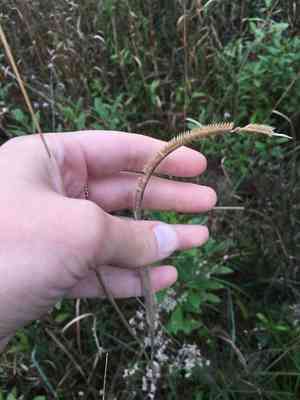
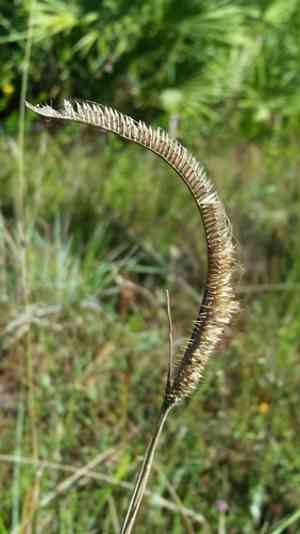
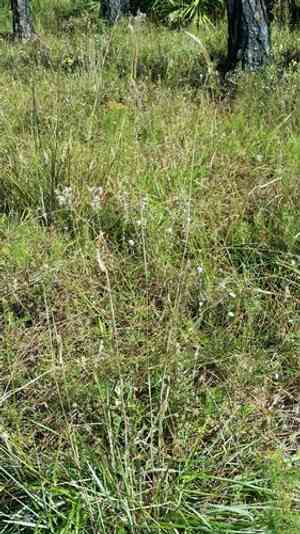
Quickly Identify Toothache grass
1
Tall tufted grass exceeding 4 feet (1.2 meters) in height.
2
Distinctive panicle inflorescence with comb-like spikelets and glandular glumes.
3
Mature fruit twists into ornamental corkscrew shapes for dispersion.
4
Bicolored leaves with bluish-green upper surface and parallel veins.
5
Basal leaves reaching up to 12 inches (30 cm) in length, forming a fibrous mat.
Scientific Classification of Toothache grass
Phylum
Vascular plants
Class
Monocotyledons
Order
Poales
Family
Grass
Genus
Toothache grass
Species
Toothache grass
Planting and Growing of Toothache grass
Care Difficulty
Easy
Watering Schedule
Every 2 days
Sunlight Requirements
Full sun
Sunshine Duration
6-10 hours
Ideal Temperature
68-77℉
Soil Type
Potting Mix, Peat Mix
Soil pH
6-7.5
Fertilizer Type
Balanced
Pruning Season
Spring, Summer
Pruning Area
Branches, Leaves
Pruning Frequency
2 times a year
Repotting Season
Spring
Pot Type
Plastic, Ceramic
 How to Water Toothache grass?
Ctenium aromaticum prefers a moderate amount of water, approximately 250 ml per watering. It’s important to ensure the soil remains slightly moist but never waterlogged. Check the top inch of soil and water only if it feels dry, ensuring each watering reaches the root zone.
What are the symptoms of an underwatered Toothache grass?
›
What should I do if my Toothache grass is not getting enough water?
›
What are the symptoms of an overwatered Toothache grass?
›
How to save an overwatered Toothache grass?
›
 What Are the Sunlight Requirements for Toothache grass?
Ctenium aromaticum flourishes in full to partial sun, with optimal development in areas receiving 6 to 8 hours of sunlight a day, leading to stronger, more fragrant growth.
More About Sunlight Requirements Techniques→
What is the ideal sunlight exposure for Ctenium aromaticum?
›
How can I ensure Ctenium aromaticum gets its ideal light exposure?
›
What benefits can Ctenium aromaticum gain from ideal light conditions?
›
 What Is the Ideal Temperature Range for Toothache grass?
Ctenium aromaticum thrives well within a specific temperature range of 68°F to 77°F. Maintaining this range is crucial for optimal growth, blooming, and overall health. Within this temperature window, the plant's physiological processes, such as photosynthesis and nutrient uptake, occur most efficiently. Conditions outside this range can lead to stress and impede growth, reducing the plant's ability to thrive. Therefore, ensuring stable temperatures is essential for the successful cultivation of Ctenium aromaticum.
 What Soil is Best for Toothache grass?
Ctenium aromaticum thrives in soils that retain moderate moisture, preventing drought stress. Adequate moisture retention supports healthy root development and keeps the plant lush and vigorous. Loamy soils rich in essential nutrients enable robust growth by providing a steady supply of vital minerals. Ensuring soil fertility can enhance the plant's fragrance and overall health. Well-draining soil is critical to prevent waterlogging, which can lead to root rot. Proper drainage ensures that excess water does not accumulate, maintaining ideal growing conditions for Ctenium aromaticum.
 How to Fertilize Toothache grass?
For Ctenium aromaticum, a balance is needed to mimic its natural habitat. Use a diluted liquid fertilizer solution at a ratio of 1:4, providing just enough nutrients without overwhelming the plant. Approximately 100 ml per application will suffice.
 How to Prune Toothache grass?
Begin the pruning process with a close inspection of the plant. Carefully check for any signs of disease, damaged branches, or areas that look overcrowded. This step ensures targeted and effective pruning. When pruning, make your cuts just above a node or a dormant bud where new growth can occur. This encourages the plant to develop fuller, denser growth after pruning. Trim back any overgrown areas to maintain a desired shape. This not only improves the aesthetic appeal but also increases air circulation within the plant, reducing the risk of pest infestations.
More About Pruning Techniques→
 How to Propagate Toothache grass plant?
1
Collect seeds from a mature Ctenium aromaticum plant just as they start to dry on the plant. Ensure the seeds are fully matured for optimal germination rates. Dry the collected seeds in a warm, airy place to ensure they are ready for sowing.
2
Use a well-draining potting mix to fill your seed trays. The mix should ideally consist of two parts of fine compost and one part of sand or perlite to ensure adequate drainage and aeration, crucial for young seedlings.
3
When using division propagation, carefully dig around the base of the plant. Use a sharp knife or spade to cut through the roots, ensuring each new section has a portion of the root system. Replant divisions promptly to avoid drying out.
 How to Repot Toothache grass plant?
1
Ctenium aromaticum shows signs that it's time to repot when you notice roots growing out of drainage holes or when growth appears stunted despite adequate care. Another indication is if the soil dries out too quickly or the plant tips over due to being top-heavy. These signs suggest that the plant has outgrown its current container and needs more space to thrive.
2
Select a pot that is 2-3 inches larger in diameter than the current one to allow ample root growth. Terracotta pots are preferable as they offer breathability, which helps prevent waterlogging and root rot. Ensure the pot has sufficient drainage holes to promote good water management and to keep the roots healthy.
3
Opt for a well-draining loamy mix, ideal for Ctenium aromaticum. Such soil offers a balance of water retention and aeration, preventing conditions that could lead to root rot. Adding organic matter such as compost enhances nutrient availability, supporting vigorous growth once repotted. This ensures a healthy plant and sustained aromatic foliage.



