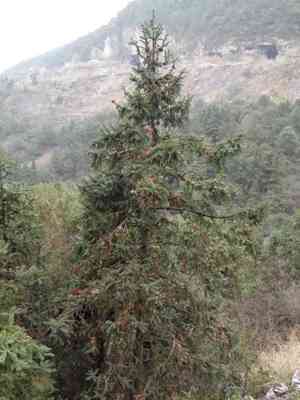
China fir (Cunninghamia lanceolata)
Also known as: Chinese Fir
The China fir, scientifically known as Cunninghamia lanceolata, is an evergreen conifer from the cypress family. Native to China, it is renowned for its soft, aromatic wood. The timber of the China fir is commonly utilized in the production of coffins.
In This Article
Attributes of China fir
Lifespan
Perennial
Plant Type
Tree
Plant Height
30 m
Spread
6 m
Leaf Color
Green Blue White
Flower Size
2.5 cm
Flower Color
Yellow Brown Green
Images of China fir
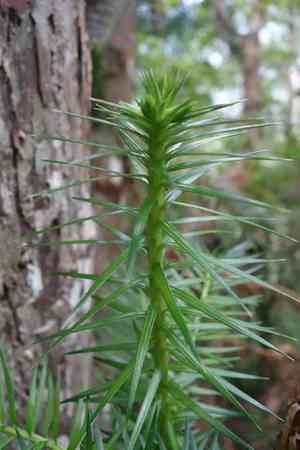
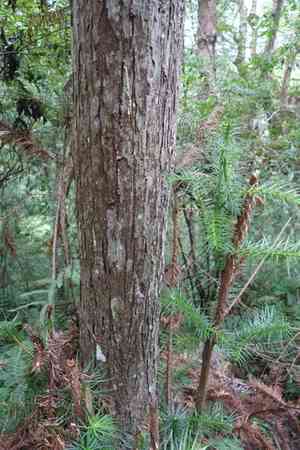
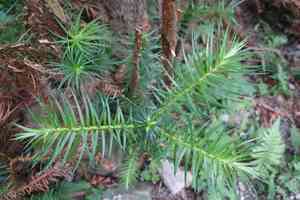
Quickly Identify China fir
1
Conical form with lance-shaped leaves
2
Rough, longitudinally fissured bark
3
Needle-like leaves, sharp pointed tips
4
Distinctive squarish cones in clusters
5
Exfoliating bark with reddish-brown inner layer
Scientific Classification of China fir
Phylum
Vascular plants
Class
Conifers
Order
Pines and allies
Family
Cypress
Genus
China-fir
Species
China fir
Planting and Growing of China fir
Care Difficulty
Easy
Watering Schedule
Every 2 days
Sunlight Requirements
Full sun
Sunshine Duration
4-8 hours
Ideal Temperature
50-77℉
Soil Type
Potting Mix, Peat Mix
Soil pH
4.5-6.5
Fertilizer Type
Balanced
Pruning Season
Spring, Summer
Pruning Area
Branches, Leaves
Pruning Frequency
2 times a year
Repotting Season
Spring
Pot Type
Plastic, Ceramic
 How to Water China fir?
Cunninghamia lanceolata, or Chinese fir, requires a careful balance of moisture. Water deeply and thoroughly, ensuring the root zone is saturated. Allow the top inch of soil to dry out between waterings. This practice helps to promote deep root growth and mimics its natural environment.
What are the symptoms of an underwatered China fir?
›
What should I do if my China fir is not getting enough water?
›
What are the symptoms of an overwatered China fir?
›
How to save an overwatered China fir?
›
 What Are the Sunlight Requirements for China fir?
Cunninghamia lanceolata thrives in full sun to partial sun conditions. Adequate lighting promotes strong, healthy growth, enhancing its ability to perform photosynthesis efficiently and produce lush, dense foliage.
More About Sunlight Requirements Techniques→
What is the ideal lighting for Cunninghamia lanceolata?
›
How can I ensure my plant gets the right amount of sunlight?
›
What are the benefits of providing the ideal sunlight to this plant?
›
 What Is the Ideal Temperature Range for China fir?
The ideal temperature range for Cunninghamia lanceolata, or Chinese fir, lies between 50°F and 77°F. Within this range, the plant thrives, exhibiting optimal growth and resilience against diseases and pests. Consistent conditions within this temperature window allow the plant to maintain its physiological processes effectively, promoting healthy development and robust structure.
 What Soil is Best for China fir?
Cunninghamia lanceolata thrives in well-draining soil as it prevents waterlogging, which can lead to root rot. This attribute ensures that the roots get enough oxygen and provides optimal growing conditions for healthy plant development. This plant prefers soil that has moderate nutrient content. Excessively rich soil can encourage weak and overly rapid growth, making the tree susceptible to wind damage. Balanced nutrients ensure sturdy growth and long-term health. The soil should be able to retain moisture without becoming soggy. Cunninghamia lanceolata requires consistent moisture for optimal growth, especially during its establishment phase. Moisture-retentive soil helps in reducing the frequency of watering.
 How to Fertilize China fir?
Cunninghamia lanceolata, commonly known as Chinese Fir, thrives best with careful application of fertilizer. Use liquid fertilizer, diluted to half its strength, once every two months during the growing season. For slow-release fertilizers, apply about 50 grams per application, ensuring minimal contact with the tree trunk, to avoid scorching.
 How to Prune China fir?
Start by identifying dead or damaged branches that should be removed. This includes branches that are discolored, brittle, or not producing leaves. Removing these will encourage healthier growth. Cunninghamia lanceolata can be pruned to maintain a pyramidal shape. Trim the branches evenly around the tree to maintain a balanced silhouette that is not too dense. When cutting a branch, make your cut just above a bud facing the direction you want the branch to grow. This technique ensures water doesn’t settle on the cut surface, reducing the risk of rot.
More About Pruning Techniques→
 How to Propagate China fir plant?
1
Collect seeds from mature cones in the late autumn. Clean the seeds to remove any debris and store them in a cool, dry place until planting time.
2
Fill seed trays with seed starting mix and sow the seeds on the surface. Lightly cover them with a thin layer of soil and water gently to moisten the mix.
3
Select healthy, semi-hardwood cuttings in early spring. Cut sections of about 10 to 15 cm, remove the lower leaves, and dip the cut end in rooting hormone before planting.
 How to Repot China fir plant?
1
Cunninghamia lanceolata should be repotted when you notice its roots are growing out of the drainage holes, which indicates the plant is root-bound. Additionally, if growth slows or leaves become discolored despite proper care, it might be time for a new pot. Repotting in spring or autumn allows the plant to recover swiftly without the extreme temperatures of summer or winter, which could stress the plant.
2
Select a pot that is at least 2 inches wider in diameter than the current one. Opt for pots made of breathable materials like terracotta to enhance airflow to the roots. A pot with sufficient drainage holes is crucial to prevent waterlogging, which can lead to root rot. The right pot not only provides adequate space for root expansion but also ensures a healthy root environment.
3
Using a well-draining loamy mix is vital for Cunninghamia lanceolata. Such soil will retain necessary moisture while allowing excess water to escape, thus maintaining the right hydration level. This type of soil also provides a balanced supply of nutrients while preventing compaction, ensuring that the roots can easily penetrate and breathe, promoting healthy growth and development.



