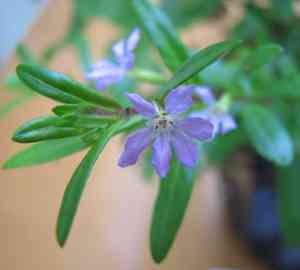
False heather (Cuphea hyssopifolia)
Also known as: Elfin herb
Lantana camara, originating from Mexico and parts of Central America, features vibrant flowers and evergreen leaves, making it a favorite for garden beds and borders. Despite its ornamental appeal, it is considered an invasive weed in Hawaii.
In This Article
Attributes of False heather
Lifespan
Perennial
Plant Type
Shrub
Plant Height
60 cm
Spread
90 cm
Leaf Color
Green
Flower Size
1 cm
Flower Color
Purple White Pink Lavender
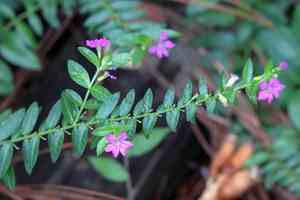
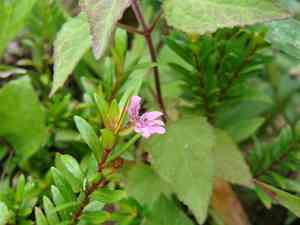
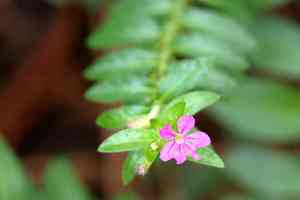
Images of False heather

Quickly Identify False heather
1
Compact shrub reaching up to 2 feet (60 cm) in height.
2
Lance-shaped glossy leaves with fine texture and pubescent undersides.
3
Trumpet-shaped lavender flowers with six petals and crinkled sepals.
4
Dehiscent capsules with reddish-brown seeds and pitted texture.
5
Green stems covered with puberulent and strigose hairs, slightly reddish in hue.
Scientific Classification of False heather
Phylum
Vascular plants
Class
Dicotyledons
Order
Myrtales
Family
Loosestrife
Genus
Cupheas
Species
False heather
Planting and Growing of False heather
Care Difficulty
Easy
Watering Schedule
Every 8 days
Sunlight Requirements
Full sun
Sunshine Duration
4-6 hours
Ideal Temperature
65-75℉
Soil Type
Potting Mix, Peat Mix
Soil pH
6.5-7.5
Fertilizer Type
Balanced
Pruning Season
Spring, Summer
Pruning Area
Branches, Leaves
Pruning Frequency
2 times a year
Repotting Season
Spring
Pot Type
Plastic, Ceramic
 How to Water False heather?
Ensure you water the Cuphea hyssopifolia until the soil feels thoroughly moist to a depth of about one inch (approximately 250 ml per pot). The goal is to maintain consistent moisture without waterlogging. Use rainfall or de-chlorinated tap water for best results.
More About Watering Techniques→
What are the symptoms of an underwatered False heather?
›
What should I do if my False heather is not getting enough water?
›
What are the symptoms of an overwatered False heather?
›
How to save an overwatered False heather?
›
 What Are the Sunlight Requirements for False heather?
Cuphea hyssopifolia thrives in full to partial sunlight. Optimal light fosters lush growth and prolific flowering, enhancing the plant's aesthetic appeal and overall health.
More About Sunlight Requirements Techniques→
Optimal Sun Exposure
›
Achieving the Right Balance
›
Benefits of Proper Lighting
›
 What Is the Ideal Temperature Range for False heather?
Cuphea hyssopifolia thrives best in temperatures ranging from 65°F to 75°F. This range provides a perfect balance for optimal growth and flowering, emulating its native tropical climate conditions. At these temperatures, the plant is able to photosynthesize effectively, maintain cellular processes, and support robust blooms.
 What Soil is Best for False heather?
Cuphea hyssopifolia thrives in well-draining soils that prevent waterlogging and root rot. This feature ensures the plant's roots receive adequate oxygen, promoting robust growth and vibrant foliage. For lush growth, Cuphea hyssopifolia requires soil enriched with organic matter. This nutrient-rich substrate provides essential minerals, enhancing the plant's overall vitality and flowering capacity. The soil should have moderate moisture retention, which allows Cuphea hyssopifolia to maintain consistent hydration without drowning or desiccation, supporting steady growth patterns.
More About Soil→
 How to Fertilize False heather?
Cuphea hyssopifolia enjoys a balanced approach to fertilization. For liquid fertilizers, you should mix it in a diluted form, adhering closely to the package instructions, to provide just half the recommended strength each time. For slow-release fertilizers, use a sparing amount, about a tablespoon per plant, to avoid burning the roots yet providing adequate nutrients.
More About Fertilizing Techniques→
 How to Prune False heather?
Be careful not to cut into the woody parts of the plant, as this can damage it. The goal is to prune the softer, newer growth since this is where blooms will appear. Pruning too deeply into the wood can reduce the plant’s vigor. While pruning, check for any signs of pests or diseases. Removing affected parts early can prevent the spread and help maintain overall plant health. Use appropriate treatments if needed to address any infestations.
More About Pruning Techniques→
 How to Propagate False heather plant?
1
Choose a healthy Cuphea hyssopifolia plant with vibrant green foliage and no signs of disease. A healthy parent plant ensures that cuttings have better chances of survival and growth.
2
Use clean pruning shears to snip 4-6 inch stem cuttings from the plant. Remove leaves from the bottom half to prevent rotting and dip the cut end in rooting hormone to stimulate root growth.
3
Place the prepared cuttings in a pot with well-draining soil mix, ensuring the cut end is buried at least an inch deep. Water the soil lightly to maintain moisture without oversaturating.
 How to Repot False heather plant?
1
Cuphea hyssopifolia exhibits signs like roots emerging from the drainage holes, slowed growth, or soil compactness. These indicate the plant is ready for repotting, which is best done in Spring or Autumn for minimal stress.
2
Select a pot that is 1-2 inches larger in diameter than the current one. Ensure it has sufficient drainage holes to prevent waterlogging, which could lead to root rot, while allowing room for future root growth.
3
Use a well-draining potting mix, such as a peat-based or a cactus mix. This type of soil prevents water from collecting around the roots, reducing the risk of root rot and providing adequate air circulation.
Learn More About False heather Diseases
Anthracnose
Bacterial Leaf Spot
Bacterial Soft Rot
Bacterial Wilt
Chemical Injury
Crown Gall
Damping-off
Downy Mildew
Drought Stress
Fusarium Wilt
Gray Mold
Leaf Spot
Mosaic
Nutrient Deficiency
Nutrient Toxicity
Powdery Mildew
Root Rot
Root-knot Nematode
Rusts
Sooty Mold
Spider Mites
Temperature Stress
Thrips Damage
White Mold



