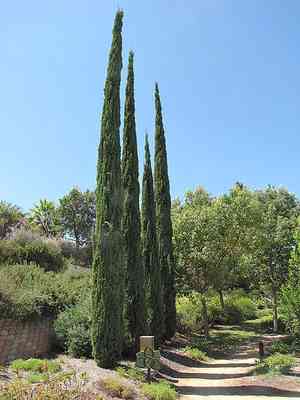
Mediterranean cypress (Cupressus sempervirens)
Also known as: Tuscan cypress, Pencil pine
The Mediterranean cypress (Cupressus sempervirens) is a medium-sized evergreen tree, native to the eastern Mediterranean and widely grown as an ornamental tree in regions with similar climates, such as California, South Africa, and Australia. Despite being prone to dieback disease, these trees are long-lived. The oldest known Mediterranean cypress is approximately 4,000 years old, located in the historic village of Abarkuh, Iran.
In This Article
Attributes of Mediterranean cypress
Lifespan
Perennial
Plant Type
Tree
Plant Height
25 m to 35 m
Spread
3 m to 6 m
Leaf Color
Green
Flower Size
2 mm
Flower Color
Green Yellow
Images of Mediterranean cypress
Quickly Identify Mediterranean cypress
1
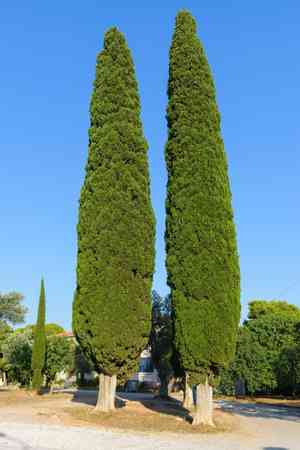
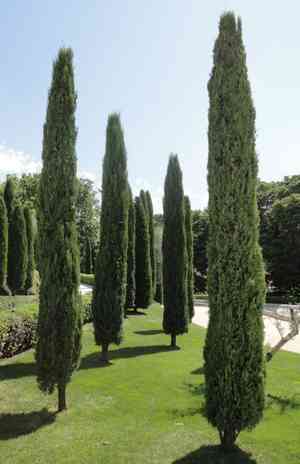
Columnar form reaching 40-60 feet (12-18 meters), narrow spread of 10 feet (3 meters).
2
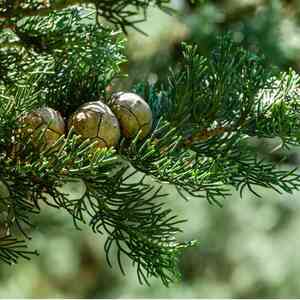
Small, dark blue-green scale-like leaves measuring 0.08-0.12 inches (2-3 mm).
3
Rounded, glossy, persistent seed cones around 1 inch (2.5 cm) in diameter.
4
Slender, cylindrical stems developing into thick woody branches, about 0.5 inches (1.2 cm) diameter.
5
Slender trunk with smooth gray bark evolving into rough, fissured surface, 2-3 feet (60-90 cm) diameter.
Scientific Classification of Mediterranean cypress
Phylum
Vascular plants
Class
Conifers
Order
Pinales
Family
Cypress
Genus
Cypresses
Species
Mediterranean cypress
Planting and Growing of Mediterranean cypress
Care Difficulty
Easy
Watering Schedule
Every 3 days
Sunlight Requirements
Full sun
Sunshine Duration
4-6 hours
Ideal Temperature
60-75℉
Soil Type
Potting Mix, Peat Mix
Soil pH
6.5-7.5
Fertilizer Type
Balanced
Pruning Season
Spring, Summer
Pruning Area
Branches, Leaves
Pruning Frequency
2 times a year
Repotting Season
Spring
Pot Type
Plastic, Ceramic
 How to Water Mediterranean cypress?
For Cupressus sempervirens, it's important to water thoroughly but allow the soil to dry out between waterings. A typical watering session involves 500 ml of water, which should be enough to soak the root area without leaving the soil swampy.
More About Watering Techniques→
What are the symptoms of an underwatered Mediterranean cypress?
›
What should I do if my Mediterranean cypress is not getting enough water?
›
What are the symptoms of an overwatered Mediterranean cypress?
›
How to save an overwatered Mediterranean cypress?
›
 What Are the Sunlight Requirements for Mediterranean cypress?
Cupressus sempervirens prefers full sun conditions. Optimal sunlight significantly contributes to its healthy growth, promoting dense foliage and preventing fungal diseases due to better air circulation and dryness.
More About Sunlight Requirements Techniques→
Ideal Sun Exposure
›
Solutions for Ideal Light
›
Benefits of Ideal Light
›
 What Is the Ideal Temperature Range for Mediterranean cypress?
The ideal temperature range for Cupressus sempervirens, also known as the Mediterranean cypress, is between 60°F and 75°F. This range provides optimal conditions for growth and minimizes stress and environmental strain.
 What Soil is Best for Mediterranean cypress?
Cupressus sempervirens thrives in well-drained soil, which prevents waterlogging and root rot. This characteristic allows the roots ample air circulation and reduces the risk of fungal diseases. This plant benefits from soil that is moderately rich in nutrients. It provides a balance, ensuring the tree grows healthily without becoming too lush or too lean. The soil should retain some moisture without staying overly wet. This helps in ensuring that the roots have constant but not excessive access to water, supporting steady growth.
More About Soil→
 How to Fertilize Mediterranean cypress?
When fertilizing Cupressus sempervirens, it is crucial to avoid over-fertilizing. Use a balanced fertilizer that contains equal proportions of nitrogen, phosphorus, and potassium. For liquid fertilizers, dilute according to the instructions on the label and aim for a moderate dose that supports even growth.
 How to Prune Mediterranean cypress?
When pruning Cupressus sempervirens, the focus should primarily be on maintaining its elegant, columnar shape. Use sharp, clean pruning shears to make precise cuts. Start by removing any dead, damaged, or diseased branches to ensure the health of the tree is preserved. Trim branches that stray from the intended shape or growth direction, cutting back to a lateral branch to promote balanced growth. To improve air circulation through the dense foliage of Cupressus sempervirens, thin out crowded sections of the tree. Cut back entire branches at their origin rather than just shortening them, which reduces excess bushiness while maintaining the natural form. This approach minimizes humidity-related issues and lowers the risk of disease.
More About Pruning Techniques→
 How to Propagate Mediterranean cypress plant?
1
Collect seeds from mature cones of Cupressus sempervirens. Clean them to remove any pulp and allow them to dry. Stratify the seeds if necessary by placing them in a mildly damp medium in the fridge for several weeks, simulating natural winter conditions.
2
Choose healthy, non-flowering shoots around 10-15 cm in length. Cut these during early or late spring when the plant is actively growing. Dip the cut end into rooting hormone to facilitate root development.
3
Select a compatible rootstock that is healthy and disease-free. Make a small incision on both the scion and rootstock before carrying out the grafting process. Secure the graft with tape and maintain gentle pressure to ensure proper attachment and healing.
 How to Repot Mediterranean cypress plant?
1
Cupressus sempervirens should be repotted when it begins to outgrow its current container, or when you notice diminished growth and increased root exposure on the soil surface. Ideally, performing this task during spring or autumn is best when the plant is actively growing and more resilient to changes.
2
Select a pot that is slightly larger than the current one, with good drainage holes to prevent waterlogging. Choosing a terracotta pot can be beneficial as it allows for better air exchange and evaporation, helping to maintain a balanced moisture level in the soil.
3
Opt for well-draining, sandy soil rich in organic matter. This type of soil supports the root structure effectively and prevents water retention issues. Ensuring the right soil mix provides excellent aeration and reduces the risk of root rot, thus promoting healthy growth.



