Sago palm(Cycas revoluta)

Sago palm (Cycas revoluta)

Also known as: Japanese sago palm, Sotetsu

The sago palm, often used for decorative purposes, is highly toxic and can cause severe symptoms such as vomiting, diarrhea, and headaches if ingested. It's crucial to keep this plant out of reach of pets and children, as it can be fatal if consumed, especially the seeds.

When handling a sago palm, always wear gloves to protect your skin from its sharp spines. Place the plant in a location with bright, indirect sunlight, and water it sparingly, allowing the soil to dry between waterings to prevent root rot. Ensure the pot has adequate drainage to avoid waterlogging and maintain the plant's health.

Attributes of Sago palm

Lifespan
Perennial
Plant Type
Shrub
Plant Height
3 m to 8 m
Spread
90 cm to 3 m
Leaf Color
Green Blue
Flower Size
8 cm to 15 cm
Flower Color
Yellow Brown

PlantJoy - Identify plants with a snap

Identify and diagnose plants, get toxicity alerts, and explore safety guides for all types of fungi.

Try for Free

Images of Sago palm

Sago palm(Cycas revoluta)

Quickly Identify Sago palm

1
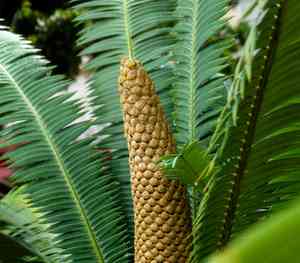
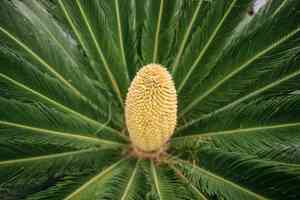
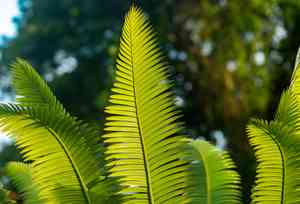
Symmetrical rosette of glossy, dark green leaves with pointed, feathery leaflets, up to 5 feet (1.5 m) long.
2
Stout, shaggy trunk resembling a scaled bulb, 2-3 feet (0.6-0.9 m) tall.
3
Large, golden cone fruit with large seeds, 1-2 inches (2.5-5 cm) in diameter.
4
Pinnate, glossy green leaves in circular rosette pattern, 3-7 feet (90 cm to 2.1 m) long.
5
Thick, sturdy stem with rough, textured, woody surface, up to 1 foot (30 cm) in diameter.

Scientific Classification of Sago palm

Phylum
Vascular plants
Class
Cycads
Order
Cycads
Family
Cycad
Genus
Cycas
Species
Sago palm

Planting and Growing of Sago palm

Care Difficulty
Hard
Watering Schedule
Every 2 days
Sunlight Requirements
Full sun
Sunshine Duration
6-8 hours
Ideal Temperature
70-85℉
Soil Type
Potting Mix, Peat Mix
Soil pH
6.5-7.5
Fertilizer Type
Balanced
Pruning Season
Spring, Summer
Pruning Area
Branches, Leaves
Pruning Frequency
2 times a year
Repotting Season
Spring
Pot Type
Ceramic, Plastic

water icon How to Water Sago palm?

For Cycas revoluta, it's crucial to provide just enough water to keep the soil slightly moist but not soggy. Each watering session should involve around 500 ml of water, ensuring the soil is thoroughly moistened while allowing excess water to drain away. The root zone should feel moist to the touch, but water should never accumulate at the base of the plant.
What are the symptoms of an underwatered Sago palm?
What should I do if my Sago palm is not getting enough water?
What are the symptoms of an overwatered Sago palm?
How to save an overwatered Sago palm?

sunlight icon What Are the Sunlight Requirements for Sago palm?

Sunlight Requirements: Full sun, Partial sun
Duration of light: 4-6 hours of sun
Cycas revoluta ideally prefers full to partial sunlight, with a range of 4 to 6 hours daily. This exposure enhances leaf color, robust growth, and the plant’s ability to produce cones.
What is the ideal amount of sunlight for Cycas revoluta?
How can I ensure Cycas revoluta receives ideal sunlight?
What are the benefits of providing ideal sunlight for Cycas revoluta?

temperature icon What Is the Ideal Temperature Range for Sago palm?

Ideal Temperature: 70 ~ 85℉
Cycas revoluta thrives best in a warm environment where temperatures range between 70°F and 85°F. This temperature range mimics its native subtropical habitat, allowing for optimal growth and health. Maintaining temperatures within this range ensures the plant's metabolic processes function efficiently, promoting lush foliage and robust development.

soil icon What Soil is Best for Sago palm?

Soil type: Sandy soil, Loam, Sandy loam
Soil PH: 6.5 ~ 7.5
Cycas revoluta thrives in soil that allows for excellent drainage. This prevents water from standing around the roots, which could lead to root rot. Well-drained soil ensures healthy root growth and overall plant vitality. Though not overly demanding, Cycas revoluta benefits from moderately fertile soil. The presence of organic matter supports robust growth and leaf development, keeping the plant strong and vibrant. A soil pH that ranges from 6.5 to 7.5 is ideal for Cycas revoluta. This pH range allows for optimal nutrient absorption, ensuring the plant gets all the necessary minerals for sustained health.

fertilize icon How to Fertilize Sago palm?

Fertilizer type: Balanced
Cycas revoluta, commonly known as the sago palm, appreciates moderate fertilizer application. Use a balanced water-soluble fertilizer diluted to half strength during the growing season. About one tablespoon per gallon of water is generally sufficient. It's important not to overdo it, as these plants are not heavy feeders.

prune icon How to Prune Sago palm?

Pruning Time: Spring, Summer
Begin pruning by identifying yellowing or damaged fronds. Using a pair of sharp, sterilized pruning shears, cut these fronds back to the trunk. Be cautious to only remove the fronds that are clearly dead or heavily damaged, as premature or excessive pruning can harm the plant. Try to prune at the base of the frond where it connects to the main trunk. This helps to maintain a neat appearance and ensures no unsightly stubs remain. It's also advisable to wear gloves, as the plant can be quite sharp and sometimes irritating to the skin.

propagate icon How to Propagate Sago palm plant?

Propagate Time: Late spring, Early summer
1
Collect seeds from mature Cycas revoluta cones. Ensure that the seeds are ripe to increase the chances of successful germination.
2
Prepare a well-draining soil mix. Cycas revoluta seeds prefer a sandy or loamy soil that retains some moisture without becoming waterlogged.
3
Place the seeds in the prepared soil with the pointed end facing downwards. Cover lightly with additional soil and water gently.

repot icon How to Repot Sago palm plant?

Repotting frequency: Every 3-4 years
1
Cycas revoluta needs repotting when you notice its roots filling up the pot or protruding from the bottom. This plant also needs a refresh if you see a decline in growth or yellowing leaves, signaling it’s time to check its root health.
2
Select a pot that is slightly larger than the current one with good drainage holes. A pot that is too large can retain excessive moisture, while a correctly sized one prevents waterlogging and ensures better root health.
3
Use a well-draining sandy soil mix to mimic the plant's natural habitat. This type of soil prevents root rot by allowing excess water to flow quickly, providing the roots with enough time to absorb necessary moisture without becoming waterlogged.

PlantJoy - Identify plants with a snap

Find the best spots for them to optimize their health, simply using your phone.

Try for Free

Toxicity of Sago palm

Is Sago palm toxic to humans?

The Sago palm is extremely poisonous. It harbors carcinogenic compounds and amino acids that may lead to chronic neurological disorders, and repeated consumption can lead to significant long-term health issues, potentially resulting in death. Within a 12-hour window after ingestion, the Sago palm can trigger vomiting and diarrhea, seizures, digestive tract irritations, and internal organ failures, with large amounts leading to severe liver damage. All parts of this plant are toxic, with the seeds being especially dangerous due to their high concentrations of the harmful substance, cycasin.

Is Sago palm toxic to cat?

The Sago palm (Cycas revoluta) poses a severe threat to the safety of your cat. Every component of this plant, whether it be the trunk, roots, or foliage, is infused with the harmful toxin known as cycasin. Among these parts, the seeds represent the highest risk. Indicators of cycasin poisoning can manifest as a loss of appetite, excessive drooling, vomiting, diarrhea, weakness, unusual bruising, increased thirst, muscle tremors, and even seizures. It is important to note that even minuscule quantities of cycasin can be fatal, so if you suspect your cat has consumed any part of the sago palm, prompt consultation with a veterinarian is essential.

Is Sago palm toxic to dog?

Sago palms can be highly toxic to dogs; therefore, if you believe your dog has consumed any component of this plant, it is crucial to seek veterinary care without delay. Every part of the plant harbors compounds that can be dangerous to dogs, though the seeds are the most frequently ingested. The signs of poisoning encompass vomiting, diarrhea, decreased appetite, lethargy, changes in behavior, tremors, and seizures. Consuming sago palms can lead to liver failure and may result in death.

Identify toxic plants for your safety

Learn which plants are harmful to you and your pets, and make informed choices for a safer home!

Try for Free
WARNING
The judgment on toxicity and danger is for reference only. We DO NOT GUARANTEE any accuracy of such judgment. Therefore, you SHALL NOT rely on such judgment. It is IMPORTANT TO SEEK PROFESSIONAL ADVICE in advance when necessary.