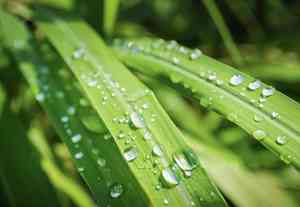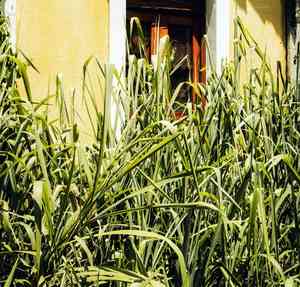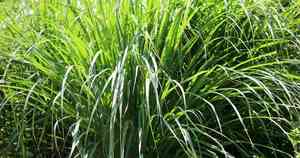
Lemon grass(Cymbopogon citratus)

Lemon grass (Cymbopogon citratus)

Also known as: Citronella grass

Lemongrass, or Cymbopogon citratus, is a wonderful choice for edible landscapes. Originating from tropical regions, it flourishes in full sunlight, warm summer conditions, and nutrient-rich, moist soil. While the outer stalks are fibrous and tough, the tender inner stalks can be chopped for culinary uses or brewed to make a fragrant tea.

Attributes of Lemon grass

Lifespan
Perennial
Plant Type
Grass
Plant Height
1 m to 2 m
Spread
60 cm to 90 cm
Leaf Color
Green Blue
Flower Size
N/A
Flower Color
Green Brown Yellow

PlantJoy - Identify plants with a snap

Identify and diagnose plants, get toxicity alerts, and explore safety guides for all types of fungi.

Try for Free

Images of Lemon grass

Lemon grass(Cymbopogon citratus)

Quickly Identify Lemon grass

1
Tall stalks reaching 4-6 feet (1.2-1.8 meters) with arching, narrow leaves emitting a fresh lemon scent.
2
Light green strap-shaped leaves up to 3 feet long and 1 inch wide, with a refreshing lemony scent.
3
Pseudostem with tightly-overlapping leaf sheaths, fragrant when crushed, varying from yellowish-brown to reddish.
4
Dry, one-seeded caryopsis fruit nestled within hairy awned spikelets, small and inconspicuous.
5
Brownish florets on drooping panicles up to 0.5 meters wide, imparting subtle beauty to the plant.

Scientific Classification of Lemon grass

Phylum
Vascular plants
Class
Monocotyledons
Order
Grasses, sedges and allies
Family
Grass
Genus
Lemongrass
Species
Lemon grass

Planting and Growing of Lemon grass

Care Difficulty
Easy
Watering Schedule
Every 4 days
Sunlight Requirements
Full sun
Sunshine Duration
6-10 hours
Ideal Temperature
68-86℉
Soil Type
Potting Mix, Peat Mix
Soil pH
6.5-7.5
Fertilizer Type
Balanced
Pruning Season
Spring, Summer
Pruning Area
Branches, Leaves
Pruning Frequency
2 times a year
Repotting Season
Spring
Pot Type
Ceramic, Plastic

water icon How to Water Lemon grass?

Watering of Cymbopogon citratus should be generous enough to moisten the soil completely without leaving it waterlogged. The soil should feel damp up to about an inch below the surface. Watering about 250 ml ensures that the medium retains moisture without accumulating excess water.
What are the symptoms of an underwatered Lemon grass?
What should I do if my Lemon grass is not getting enough water?
What are the symptoms of an overwatered Lemon grass?
How to save an overwatered Lemon grass?

sunlight icon What Are the Sunlight Requirements for Lemon grass?

Sunlight Requirements: Full sun, Partial sun
Duration of light: 6 to 8 hours
Cymbopogon citratus thrives in full sun to partial sun environments, with 6 to 8 hours of direct sunlight daily. Ideal light ensures vigorous growth and maximizes essential oil concentration in leaves.
What is the ideal lighting condition for Cymbopogon citratus?
How can I provide ideal sunlight for my Cymbopogon citratus?
What benefits does ideal sunlight offer to Cymbopogon citratus?

temperature icon What Is the Ideal Temperature Range for Lemon grass?

Ideal Temperature: 68 ~ 86℉
Cymbopogon citratus thrives best in warm temperatures ranging from 68-86°F. This temperature range ensures optimal growth and encourages the production of essential oils, crucial for its use in culinary and medicinal applications.

soil icon What Soil is Best for Lemon grass?

Soil type: Sandy soil, Loam, Sandy loam
Soil PH: 6.5 ~ 7.5
Cymbopogon citratus thrives in well-draining soil that prevents waterlogging. This type of soil ensures that the roots receive adequate oxygen, which promotes healthy growth and prevents root rot. The plant benefits from a soil that is rich in organic matter, providing essential nutrients for robust growth. Compost or well-rotted manure can enhance nutrient availability and improve soil structure. A soil pH ranging from 6.5 to 7.5 is ideal for Cymbopogon citratus, as it allows for optimal nutrient uptake. Maintaining this pH balance can lead to more vigorous and healthy growth.

fertilize icon How to Fertilize Lemon grass?

Fertilizer type: Balanced
For Cymbopogon citratus, also known as lemongrass, it's essential to use a balanced fertilizer high in nitrogen to support its lush foliage. A quarter to half a teaspoon of 10-10-10 NPK fertilizer diluted in a gallon of water is recommended for liquid applications. This will ensure robust growth without overwhelming the plant.

prune icon How to Prune Lemon grass?

Pruning Time: Spring, Summer, Autumn, Winter
To prune Cymbopogon citratus, start by sterilizing your pruning shears to prevent disease transmission. Trim back the old and yellowing leaves at the base of the plant to make room for new growth. Cut the leaves at a 45-degree angle to promote healing. Regular trimming also encourages a bushier appearance, providing a fuller look to the plant. If you're aiming to shape Cymbopogon citratus, start by assessing the plant's natural shape and decide how you want it to look. Focus on trimming the longest stems first, working your way inwards. This ensures a balanced shape and good airflow, which can particularly help in warm seasons by preventing diseases caused by excess moisture.

propagate icon How to Propagate Lemon grass plant?

Propagate Time: Spring, Early summer
1
Use a well-draining soil mix to prepare the propagation bed. Mix sand or perlite with soil to enhance drainage. This step is crucial because Cymbopogon citratus thrives in conditions that mimic its native habitat.
2
Select healthy stems from the Lemongrass plant, ideally from the outer portions. Cut stems at a length of 6-8 inches, making sure there are several nodes available for root development.
3
Insert the cuttings into the prepared soil, ensuring the nodes are buried for optimal root development. Place the cutting vertically and water lightly to keep the soil moist but not waterlogged.

repot icon How to Repot Lemon grass plant?

Repotting frequency: Every 1-2 years
1
Repot your Cymbopogon citratus when you notice its roots are circling inside the pot or growing through drainage holes. Another indicator is slowed growth despite optimal care, suggesting the plant has exhausted the nutrients in its current soil.
2
Select a pot that is one size larger than the current one, ideally with good drainage holes to prevent waterlogging. A slightly larger pot allows room for new root growth without overwhelming the plant with excessive soil volume, which can retain too much moisture.
3
Opt for well-draining potting soil, preferably mixed with sand or perlite. This mix offers excellent drainage to prevent root rot and ensures the roots get enough oxygen, mimicking the lemongrass's native conditions.

PlantJoy - Identify plants with a snap

Find the best spots for them to optimize their health, simply using your phone.

Try for Free

Toxicity of Lemon grass

Is Lemon grass toxic to cat?

While certain cats may enjoy munching on lemon grass (Cymbopogon citratus), possibly experiencing effects akin to those of catnip, it is important to note that all components of the plant contain a compound that is moderately poisonous to them, as their digestive systems are unable to process it effectively. Even more hazardous are products made with concentrated essential oils. If a cat consumes this plant, it could suffer from digestive disturbances, vomiting, abdominal swelling, fever, and possibly symptoms of intestinal blockage.

Is Lemon grass toxic to dog?

Lemon grass is considered to have mild toxicity in dogs, typically posing a risk only when consumed in excessive amounts. The fibrous blades include irritating substances; fortunately, the reactions are generally confined to gastrointestinal discomfort. However, like many types of grass, ingesting large quantities of lemon grass can lead to a physical obstruction in the intestines. These blockages are serious and may result in abdominal pain, appetite loss, challenges with bowel movements, and fever, along with other possible symptoms.

Identify toxic plants for your safety

Learn which plants are harmful to you and your pets, and make informed choices for a safer home!

Try for Free
WARNING
The judgment on toxicity and danger is for reference only. We DO NOT GUARANTEE any accuracy of such judgment. Therefore, you SHALL NOT rely on such judgment. It is IMPORTANT TO SEEK PROFESSIONAL ADVICE in advance when necessary.