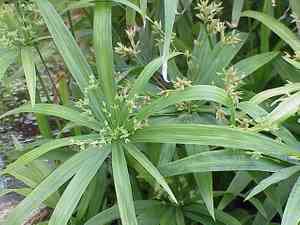
Ricefield flatsedge (Cyperus iria)
Also known as: Umbrella sedge
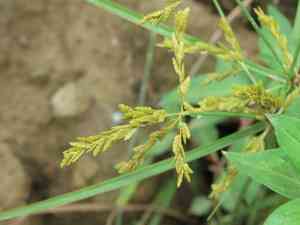
Ricefield flatsedge (Cyperus iria) is a smooth, tufted annual sedge frequently found in rice paddies and is known for its vigorous growth. This weed can cause significant issues in rice fields, particularly across Asia. It is identified by its slender, upright stems, narrow grass-like leaves, yellowish inflorescence, and yellowish-red roots. Its adaptability to wet, flooded environments and ability to reproduce through seeds and rhizomes make it a persistent problem in rice cultivation.
In This Article
Attributes of Ricefield flatsedge
Lifespan
Annual, Perennial
Plant Type
Grass
Plant Height
60 cm
Spread
30 cm to 1.2 m
Leaf Color
Green
Flower Size
1.5 mm to 2 mm
Flower Color
Yellow Green Red Brown
Images of Ricefield flatsedge
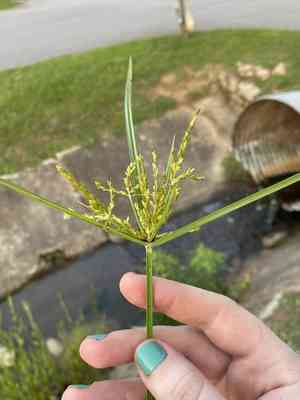
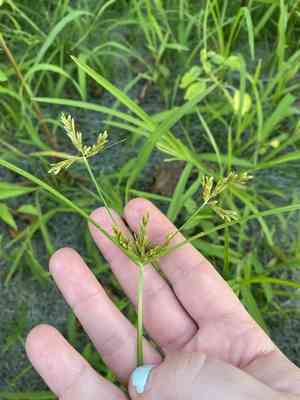
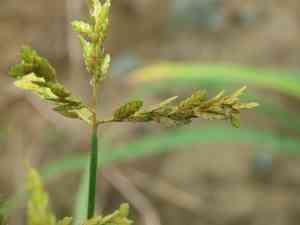
Quickly Identify Ricefield flatsedge
1
Triangular stems up to 3 feet (90 cm) tall distinguish ricefield flatsedge from other plants.
2
Umbrella-like clusters of greenish flowers in summer and fall are unique to ricefield flatsedge.
3
Golden-brown spikes holding open compound umbels make ricefield flatsedge easily identifiable.
4
Distinctive shiny brown achenes with a tri-angled shape aid in ricefield flatsedge identification.
5
V-shaped, scabrid leaves with reddish-brown bases are key features of ricefield flatsedge.
Scientific Classification of Ricefield flatsedge
Phylum
Vascular plants
Class
Monocotyledons
Order
Poales
Family
Sedge
Genus
Nutgrasses
Species
Ricefield flatsedge
Planting and Growing of Ricefield flatsedge
Care Difficulty
Easy
Watering Schedule
Every 4 days
Sunlight Requirements
Full sun
Sunshine Duration
4-8 hours
Ideal Temperature
70-86℉
Soil Type
Potting Mix, Peat Mix
Soil pH
6.5-7.5
Fertilizer Type
Balanced
Pruning Season
Spring, Summer
Pruning Area
Branches, Leaves
Pruning Frequency
2 times a year
Repotting Season
Spring
Pot Type
Plastic, Ceramic
 How to Water Ricefield flatsedge?
For Cyperus iria, the watering amount should ideally be around 500 ml each time. The key principle is to keep the soil consistently moist, but not waterlogged. Ensure that the water penetrates deep into the soil by evenly distributing it across the root area. The surface should appear wet but without pooling water.
What are the symptoms of an underwatered Ricefield flatsedge?
›
What should I do if my Ricefield flatsedge is not getting enough water?
›
What are the symptoms of an overwatered Ricefield flatsedge?
›
How to save an overwatered Ricefield flatsedge?
›
 What Are the Sunlight Requirements for Ricefield flatsedge?
Cyperus iria ideally flourishes with full to partial sun exposure. This ensures lush, healthy foliage and steady growth with resilience against harsh environmental conditions.
What is the best light condition for Cyperus iria?
›
How can you achieve ideal sunlight exposure for Cyperus iria?
›
What benefits does Cyperus iria gain from ideal light conditions?
›
 What Is the Ideal Temperature Range for Ricefield flatsedge?
Cyperus iria thrives best within a temperature range of 70°F to 86°F. This ideal range is where the plant will show optimal growth and vitality. In this temperature bracket, the plant can effectively photosynthesize, absorb nutrients, and transpire, leading to a robust and healthy state.
 What Soil is Best for Ricefield flatsedge?
Cyperus iria thrives in well-draining soils as it helps prevent waterlogging, which could lead to root diseases. The well-draining nature of loam and sandy loam promotes optimal growth by ensuring water availability without saturation. This plant benefits from nutrient-rich soils which provide essential elements for healthy growth. Loam's balanced composition offers nutrients and improves microbial activity, boosting Cyperus iria's overall vigor. While Cyperus iria enjoys moist conditions, it's important that the soil doesn't become overly saturated. Loam's ability to retain moisture yet drain excess water ensures the plant remains healthy without risking root rot.
 How to Fertilize Ricefield flatsedge?
For Cyperus iria, a balanced fertilizer with equal parts nitrogen, phosphorus, and potassium is ideal. Liquid fertilizers should be diluted to half-strength, around 1 tablespoon per gallon of water, to prevent nutrient burn and promote healthy growth.
 How to Prune Ricefield flatsedge?
Begin by sterilizing your pruning tools to prevent the spread of disease. Identify the stems that are turning brown or show signs of wilting, as these should be removed. Use sharp shears to cut these stems back to the base, ensuring a clean cut. This will encourage the plant to focus its energy on new growth. Additionally, thin out overly dense areas to improve air circulation, which helps prevent mold and mildew.
 How to Propagate Ricefield flatsedge plant?
1
Start by acquiring healthy Cyperus iria seeds. Immerse them in water for 24 hours to soften seed coats and enhance germination rates. This pre-soaking process will help jumpstart the germination.
2
Spread the seeds evenly over the sterilized potting mix in seed starter trays. Cover them lightly with a thin layer of the mix to ensure they receive enough light, which is essential for germination.
3
Maintain moisture by misting the soil regularly. Avoid over-watering as it can lead to rot. Place the trays in a warm location with indirect sunlight to encourage healthy growth.
 How to Repot Ricefield flatsedge plant?
1
Cyperus iria needs repotting when its roots start to crowd the pot or if growth begins to slow down significantly. Indicators such as roots emerging from the bottom of the pot or water not absorbing well are clear signs it's time to repot.
2
Pick a pot that's just one size larger than the current one. A pot with ample drainage holes is crucial to prevent waterlogging, which can harm the plant's roots. The new pot should allow enough space for root expansion, promoting healthy growth without overwhelming the plant with too much soil.
3
Opt for a loamy, well-drained soil mix to ensure proper air circulation and drainage. This soil type promotes robust root health and prevents the common problem of root rot, while also retaining enough moisture to support the plant's needs.


