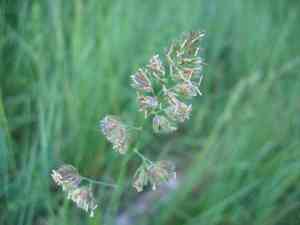
Orchard grass (Dactylis glomerata)
Also known as: Ascherson's orchard grass, Cat grass
Orchard grass, scientifically known as *Dactylis glomerata*, originated in Eurasia and was brought to North America in the 18th century for use as forage. It's now common in the U.S., Australia, and New Zealand. It's also popularly called "cat grass" due to cats' fondness for chewing on it.
In This Article
Attributes of Orchard grass
Lifespan
Perennial
Plant Type
Grass
Plant Height
20 cm to 1.4 m
Spread
30 cm
Leaf Color
Green Blue
Flower Size
4 cm to 20 cm
Flower Color
Green
Images of Orchard grass
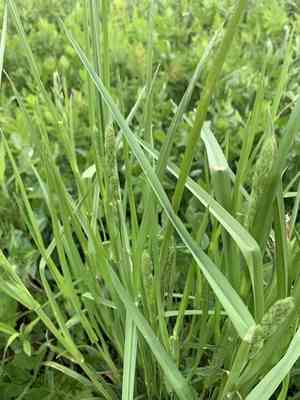
Quickly Identify Orchard grass
1
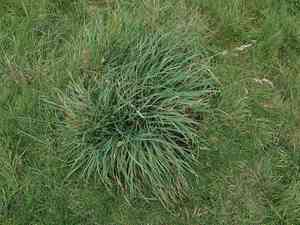
Erect stems with dense tufts and pyramid-shaped inflorescences.
2
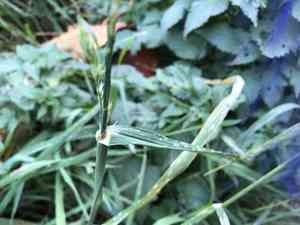
Flat, rough-textured leaves with white midrib and bluish tint.
3
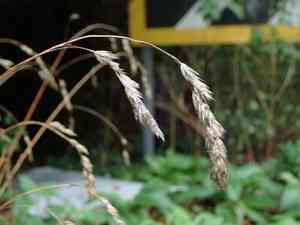
Spike-like panicles with small, single-seeded caryopsis fruits.
4
Geniculate stem bending at the base, smooth and green, up to 5 feet tall.
5
Inconspicuous greenish flowers in pyramidal clusters lacking showy petals.
Scientific Classification of Orchard grass
Phylum
Vascular plants
Class
Monocotyledons
Order
Poales
Family
Grass
Genus
Cock's-foot
Species
Orchard grass
Planting and Growing of Orchard grass
Care Difficulty
Easy
Watering Schedule
Every 3 days
Sunlight Requirements
Full sun
Sunshine Duration
6-10 hours
Ideal Temperature
68-77℉
Soil Type
Potting Mix, Peat Mix
Soil pH
6.5-7.5
Fertilizer Type
Balanced
Pruning Season
Spring, Summer
Pruning Area
Branches, Leaves
Pruning Frequency
2 times a year
Repotting Season
Spring
Pot Type
Plastic, Ceramic
 How to Water Orchard grass?
For Dactylis glomerata, ensure the soil remains evenly moist by watering with approximately 250 ml of water each time. The goal is to maintain a balanced moisture level without saturating the roots. Avoid both complete dryness and excessive dampness to prevent plant stress.
What are the symptoms of an underwatered Orchard grass?
›
What should I do if my Orchard grass is not getting enough water?
›
What are the symptoms of an overwatered Orchard grass?
›
How to save an overwatered Orchard grass?
›
 What Are the Sunlight Requirements for Orchard grass?
Dactylis glomerata ideally enjoys full sun to partial sun, which aids in robust, healthy growth while minimizing disease risks and maintaining vibrant foliage.
What is the ideal lighting for Dactylis glomerata?
›
How to achieve the ideal lighting for Dactylis glomerata?
›
What are the benefits of ideal lighting for Dactylis glomerata?
›
 What Is the Ideal Temperature Range for Orchard grass?
The ideal temperature range for Dactylis glomerata, commonly known as orchard grass, is between 68°F and 77°F. This range supports active growth and development, ensuring the plant has the optimal conditions for photosynthesis and nutrient uptake. During this period, the plant is less stressed and can allocate its resources effectively to maximize biomass production and sustain a healthy state.
 What Soil is Best for Orchard grass?
Dactylis glomerata thrives in nutrient-rich soil, providing essential nutrients for vigorous growth. Ensuring the soil is rich aids in robust foliage and greater resilience against pests and diseases. Proper soil drainage is crucial for Dactylis glomerata, as it prevents waterlogging that can lead to root rot. Well-drained soil keeps roots healthy and optimizes nutrient uptake, promoting strong growth. While drainage is vital, a balanced moisture-retentive soil ensures Dactylis glomerata has access to necessary water. This balance supports consistent growth and maintains plant vigor during dry spells.
 How to Fertilize Orchard grass?
Dactylis glomerata, commonly known as orchard grass, thrives with a balanced nutrient intake. For optimal growth, apply about 1/2 pound of nitrogen per 1,000 square feet. If you're using a phosphorus-potassium mix, tailor this according to soil test results to prevent over-fertilization.
 How to Prune Orchard grass?
Trim the Dactylis glomerata by cutting back the flowers and shoots to encourage thicker growth. Focus on trimming back the top third of the plant to stimulate vibrant regrowth. Always cut at a slight angle, aiming just above a leaf node. This helps to encourage new growth and avoids water from pooling on the cut surface, which could lead to rot. Perform pruning regularly to maintain its height and shape and prevent the grass from becoming too leggy. Remove dead or discolored blades to maintain its aesthetic appeal.
 How to Propagate Orchard grass plant?
1
Before sowing seeds, prepare a seedbed with well-draining soil. Ensure that the soil is rich in organic matter to support seedling growth and development.
2
Scatter the seeds evenly across the prepared seedbed. Cover lightly with soil and gently water them to maintain soil moisture without over-saturating.
3
To propagate by division, carefully divide mature clumps of the plant during the dormant season. Replant the divisions immediately to prevent the roots from drying out.
 How to Repot Orchard grass plant?
1
Repot Dactylis glomerata when you notice roots growing out of the drainage holes or if the plant's growth appears stunted. This indicates that the plant has outgrown its current pot and requires more space to continue thriving.
2
Choose a pot that is one size larger than the current pot. Ensure it has proper drainage holes to prevent waterlogging. A slightly larger pot encourages healthy root growth without overwhelming the plant with too much soil.
3
Opt for a well-draining potting mix, rich in organic matter. This type of soil supports healthy root development and prevents issues such as root rot, ensuring optimal plant health and growth.



