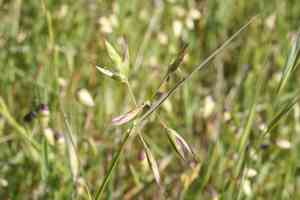
California oat grass (Danthonia californica)
Also known as: California oatgrass
**California oat grass (Danthonia californica)** is a bunchgrass native to western North America, including coastal prairies in Oregon and northern California, as well as in Chile. It exhibits variability in its leaf texture, with some plants having leaves with hairs and others being hairless. Known for its resilience, California oat grass can endure foot traffic and often thrives in disturbed soils.
In This Article
Attributes of California oat grass
Lifespan
Perennial
Plant Type
Grass
Plant Height
38 cm to 89 cm
Spread
Approximately 30 centimeters
Leaf Color
Green
Flower Size
Not Applicable (grains/flowers are not large)
Flower Color
Yellow Green Purple Brown
Images of California oat grass
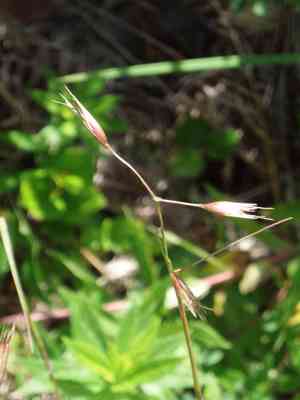
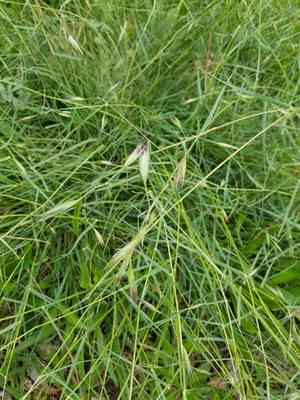
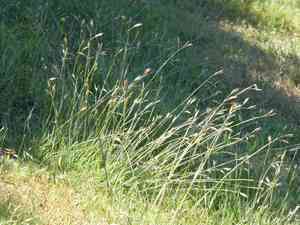
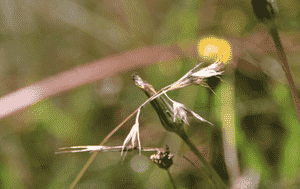
Quickly Identify California oat grass
1
Tufted, evergreen leaves.
2
Slender stalks 2-3 feet (60-90 cm) tall.
3
Reddish-purple anthers on florets.
4
Short, flat leaves with soft green hue.
5
Resilient to various temperatures and moisture conditions.
Scientific Classification of California oat grass
Phylum
Vascular plants
Class
Monocotyledons
Order
Poales
Family
Grass
Genus
Oatgrasses
Species
California oat grass
Planting and Growing of California oat grass
Care Difficulty
Easy
Watering Schedule
Every 4 days
Sunlight Requirements
Full sun
Sunshine Duration
6-12 hours
Ideal Temperature
50-77℉
Soil Type
Potting Mix, Peat Mix
Soil pH
6-7.5
Fertilizer Type
Balanced
Pruning Season
Spring, Summer
Pruning Area
Branches, Leaves
Pruning Frequency
2 times a year
Repotting Season
Spring
Pot Type
Plastic, Ceramic
 How to Water California oat grass?
Danthonia californica needs a systematic approach to watering. Aim to moisten the soil thoroughly but avoid waterlogging. Pour about 250 ml of water, enough to soak the upper 3 inches of the soil while ensuring the pot can drain excess water effectively.
What are the symptoms of an underwatered California oat grass?
›
What should I do if my California oat grass is not getting enough water?
›
What are the symptoms of an overwatered California oat grass?
›
How to save an overwatered California oat grass?
›
 What Are the Sunlight Requirements for California oat grass?
Danthonia californica ideally requires full sun or partial sun exposure for optimal growth. Adequate light enables healthy development and resilience against pests.
More About Sunlight Requirements Techniques→
What type of lighting is best for Danthonia californica?
›
How can you achieve the ideal lighting for Danthonia californica?
›
What benefits does Danthonia californica gain from ideal lighting?
›
 What Is the Ideal Temperature Range for California oat grass?
Danthonia californica ideally thrives in temperatures ranging from 50°F to 77°F. This temperature range allows the plant to carry out its physiological processes efficiently, ensuring optimal growth and development. When grown within this range, the metabolic activities proceed at an optimal rate, granting resilience to pests and diseases. Additionally, such temperatures help maintain adequate soil moisture levels and prevent the plant from stress due to excessive heat.
 What Soil is Best for California oat grass?
Danthonia californica thrives in well-drained soil, preventing waterlogging and ensuring roots have adequate oxygen, leading to healthy plant growth. A nutrient-rich soil supports the robust growth of Danthonia californica, providing it with essential nutrients needed for lush foliage and optimal plant health. While drainage is crucial, some moisture retention ensures Danthonia californica doesn't experience drought stress, aiding in sustaining its vibrant greenery.
 How to Fertilize California oat grass?
When fertilizing Danthonia californica, it's important to use a balanced approach. Typically, apply liquid fertilizers with a concentration that is one-quarter of the recommended dose. This will prevent over-fertilization, which can be detrimental to plant health.
 How to Prune California oat grass?
While pruning, ensure you handle Danthonia californica gently to avoid damaging new growth. Use fingers to separate tangled sections before positioning shears. Avoid excessive pruning in one go as it may stress the plant. Gradually thin out crowded areas across different sessions to aid recovery.
More About Pruning Techniques→
 How to Propagate California oat grass plant?
1
Collect seeds from the Danthonia californica plant in late summer when they are ripe. Clean and dry them, then store in a cool, dry place until ready to plant in early spring.
2
Fill a seed tray with a well-draining potting mix. Sprinkle the seeds evenly over the surface and cover lightly with soil. Water gently and place in a warm location with indirect sunlight.
3
In early spring, dig up a mature Danthonia californica plant. Use a sharp knife or pruning shears to divide the plant into smaller sections, ensuring each section has a portion of the root system attached.
 How to Repot California oat grass plant?
1
Repot Danthonia californica when growth slows down significantly or roots begin to escape from the drainage holes. This indicates that the plant is root-bound and requires a larger space to continue thriving.
2
Select a pot that is 2-3 inches larger in diameter than the old one. Ensure it has adequate drainage holes to prevent waterlogging and root rot, which benefits by promoting healthy root development and overall plant growth.
3
Choose a well-draining loamy soil mix enriched with organic matter. This ensures proper air circulation, retains necessary nutrients, and allows excess water to drain off easily, preventing root rot and ensuring the plant's robust growth.



