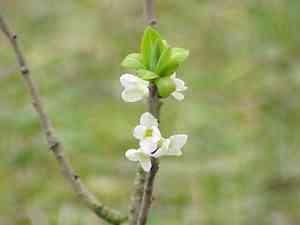
February daphne(Daphne mezereum)

February daphne (Daphne mezereum)

Also known as: Spurge laurel, Daphne, Paradise plant, Dwarf bay

Daphne mezereum is a deciduous shrub that can reach a height of up to 1.5 meters. Its leaves are soft and arranged in a spiral pattern along the stems. The plant produces small, vivid red berries that are highly toxic to humans, leading to severe symptoms if ingested.

Attributes of February daphne

Lifespan
Perennial
Plant Type
Shrub
Plant Height
1.5 m
Spread
1.5 m
Leaf Color
Green
Flower Size
2.5 cm
Flower Color
Pink Purple White Red

PlantJoy - Identify plants with a snap

Identify and diagnose plants, get toxicity alerts, and explore safety guides for all types of fungi.

Try for Free

Images of February daphne

February daphne(Daphne mezereum)

Quickly Identify February daphne

1
Upright growth to 3-5 feet (90-150 cm) distinguishes february daphne as a small shrub.
2
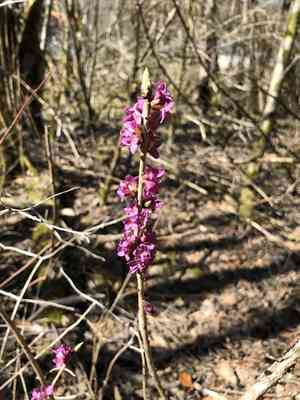
Highly fragrant lilac to white flowers appear before leaves, each with four petals.
3
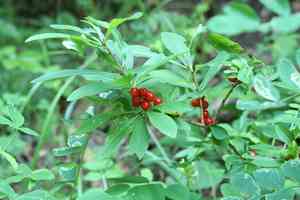
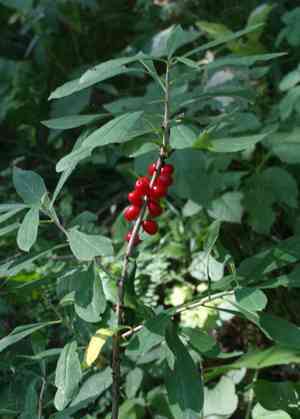
Toxic red or yellow berries, clustered and glossy, provide a distinctive post-flowering feature.
4
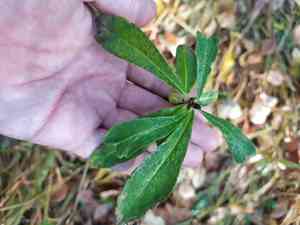
Simple, dark green, oblaceolate leaves with smooth texture and prominent veins.
5
Distinctive dark green leaves measuring 3 1/2 inches (9 cm) long, arranged spirally.

Scientific Classification of February daphne

Phylum
Vascular plants
Class
Dicotyledons
Order
Malvales
Family
Mezereum
Genus
Daphnes
Species
February daphne

Planting and Growing of February daphne

Care Difficulty
Easy
Watering Schedule
Every 2 days
Sunlight Requirements
Partial sun
Sunshine Duration
6-10 hours
Ideal Temperature
59-68℉
Soil Type
Potting Mix, Peat Mix
Soil pH
6.5-7.5
Fertilizer Type
Balanced
Pruning Season
Spring, Summer
Pruning Area
Branches, Leaves
Pruning Frequency
2 times a year
Repotting Season
Spring
Pot Type
Plastic, Terracotta

water icon How to Water February daphne?

For Daphne mezereum, it is essential to ensure that the soil is consistently moist but not waterlogged. Watering should be done in such a way that the plant receives approximately 250 ml at each session. This allows the plant's roots sufficient moisture to thrive without the risk of rot.
What are the symptoms of an underwatered February daphne?
What should I do if my February daphne is not getting enough water?
What are the symptoms of an overwatered February daphne?
How to save an overwatered February daphne?

sunlight icon What Are the Sunlight Requirements for February daphne?

Sunlight Requirements: Partial sun, Full shade
Duration of light: 4-6 hours daily
Daphne mezereum benefits from a balance of partial sunlight and full shade, ideally receiving filtered sunlight throughout the day. This light range helps maintain its vibrant blossoms and healthy foliage.
What sunlight does Daphne mezereum prefer?
How can I ensure optimal light conditions for Daphne mezereum?
What benefits arise from ideal lighting conditions?

temperature icon What Is the Ideal Temperature Range for February daphne?

Ideal Temperature: 59 ~ 68℉
For Daphne mezereum, the ideal temperature range is between 59°F and 68°F. This range ensures optimal growth and development, providing the right conditions for healthy foliage and blooming.

soil icon What Soil is Best for February daphne?

Soil type: Loam, Sandy loam, Peat soil
Soil PH: 6.5 ~ 7.5
Daphne mezereum thrives in well-aerated soil, which helps ensure adequate oxygen supply to the roots. This prevents root rot and promotes healthy growth, providing an ideal environment for nutrient absorption. This plant prefers soil that maintains moisture while ensuring efficient drainage. Such conditions help in preventing waterlogging, which can lead to root diseases and poor plant health. A soil rich in organic matter supports Daphne mezereum by supplying essential nutrients throughout its growth cycle. This aids in robust flowering and foliage development.

fertilize icon How to Fertilize February daphne?

Fertilizer type: Balanced
When fertilizing Daphne mezereum, use a balanced, water-soluble fertilizer. Each application should involve around 1 tablespoon of fertilizer per gallon of water, ensuring it is well-diluted. This amount is sufficient to nourish the plant without overwhelming its root system.

prune icon How to Prune February daphne?

Pruning Time: Spring
The best time to prune Daphne mezereum is immediately after its flowering period in spring. This timing allows you to shape the plant without sacrificing blooms. Use clean, sharp pruning shears to make precise cuts. Clean your tools before and after use to minimize the risk of disease transmission. Carefully inspect the plant for any dead or diseased wood. Cut these sections back to the healthy wood to maintain the plant's health and encourage new growth. Trim the plant to maintain its natural shape, avoiding a boxy or unnatural silhouette. This will ensure the plant retains its ornamental appeal.

propagate icon How to Propagate February daphne plant?

Propagate Time: Early spring, Late spring, Early summer
1
Collect seeds from ripe, mature fruit in autumn. Clean the seeds to remove any pulp, then dry them before sowing to improve germination rates. Store seeds in a cool, dry place until ready to plant.
2
Take cuttings from a healthy Daphne mezereum plant in early summer. Choose non-flowering stems that are semi-ripe. Cut 10-15 cm sections with several leaf nodes and remove the lower leaves.
3
Select a low-growing branch and gently bend it to the ground in early spring. Cover part of the branch with soil, leaving the tip exposed. Secure the branch with a U-shaped wire or peg to encourage rooting.

repot icon How to Repot February daphne plant?

Repotting frequency: Every 2-3 years
1
Daphne mezereum signals its readiness for repotting when roots begin to circle the pot's interior, or growth appears stunted. Ideally, perform this task in early spring, as new growth initiates, to minimize plant stress and maximize recovery.
2
Select a pot just one size larger than the current one, ensuring it has adequate drainage holes. This limitations prevents overwatering, which can lead to root rot, while still encouraging a healthy growth spur in your Daphne mezereum.
3
Opt for a well-draining organic mix, rich in nutrients, to support healthy root development. This kind of soil retains the right amount of moisture while providing essential nutrients, crucial for the vibrant blooms of Daphne mezereum.

PlantJoy - Identify plants with a snap

Find the best spots for them to optimize their health, simply using your phone.

Try for Free

Toxicity of February daphne

Is February daphne toxic to humans?

Every part of the February Daphne is laced with the harmful substances mezerein and daphnin, which can lead to serious health issues if consumed. The berries and twigs are particularly dangerous due to their elevated levels of toxins. Ingestion of this plant may induce a choking feeling, swelling in the lips, tongue, and throat, as well as symptoms like vomiting, bloody diarrhea, internal bleeding, an overall sense of weakness, and potentially a comatose condition. Additionally, the leaves and twigs of February Daphne can be extremely painful upon contact, causing severe skin irritations and blistering. Given its popularity as an ornamental plant, extra vigilance is advised around inquisitive children.

Is February daphne toxic to cat?

February daphne, often referred to simply as daphne, represents a significant danger to feline companions due to its extreme toxicity. Should a cat consume any portion of this plant, particularly the bark or its fruits, it faces a substantial risk of poisoning. The resulting intoxication can induce severe physical distress, making it imperative to seek immediate veterinary assistance. If there is any suspicion that a cat has ingested February daphne, prompt action is essential because of the plant's formidable potential to cause serious health issues. Pet owners should vigilantly supervise their cats and restrict their access to this hazardous plant in order to ensure their safety.

Is February daphne toxic to dog?

February daphne presents a significant toxicity risk to dogs. When dogs consume parts of the plant, especially the bark or fruits, they become susceptible to poisoning. Such ingestion can result in a range of symptoms, including vomiting, diarrhea, abdominal pain, and more severe manifestations like seizures or even coma due to the high toxicity levels involved. It is essential for dog owners to keep their pets away from february daphne and to remain alert for any signs of distress that could indicate possible poisoning. If there is any suspicion that a dog has ingested february daphne, it is vital to seek prompt veterinary attention to ensure the best possible outcome.

Identify toxic plants for your safety

Learn which plants are harmful to you and your pets, and make informed choices for a safer home!

Try for Free
WARNING
The judgment on toxicity and danger is for reference only. We DO NOT GUARANTEE any accuracy of such judgment. Therefore, you SHALL NOT rely on such judgment. It is IMPORTANT TO SEEK PROFESSIONAL ADVICE in advance when necessary.