Winter daphne(Daphne odora)

Winter daphne (Daphne odora)

Also known as: Gold-edged winter daphne

The evergreen shrub you're looking for could be the Rhododendron. Known for its attractive blooms, this shrub is toxic to both humans and animals. Rhododendrons typically reach heights of 3 to 8 feet and are highly prone to root rot in poorly drained, soggy soil.

Attributes of Winter daphne

Lifespan
Perennial
Plant Type
Shrub
Plant Height
91 cm to 1.2 m
Spread
60 cm to 1.2 m
Leaf Color
Green
Flower Size
2.5 cm
Flower Color
White Pink Purple Cream

PlantJoy - Identify plants with a snap

Identify and diagnose plants, get toxicity alerts, and explore safety guides for all types of fungi.

Try for Free

Images of Winter daphne

Winter daphne(Daphne odora)

Quickly Identify Winter daphne

1
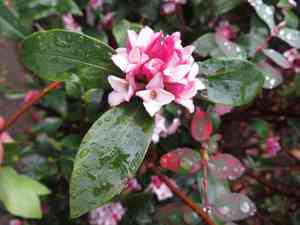
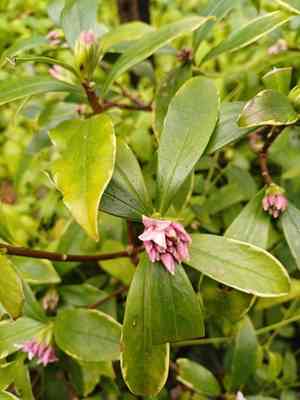
Leaves are coriaceous, shiny dark green, alternately arranged, with elliptic-oblong shape and pointed tips.
2
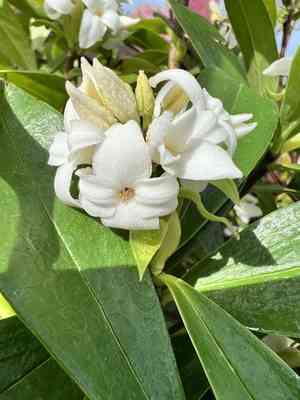
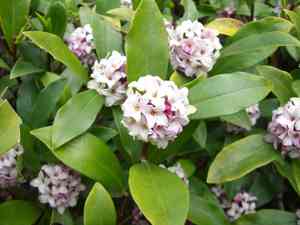
Fragrant floral cymes with cream to purplish salverform flowers, 1 inch across.
3
Terminal, rosy purple buds opening to rose pink, creamy white to purplish salverform flowers.
4
Red, rounded fleshy drupe, 0.4 inches in diameter, in small clusters with single seed.
5
Few, erect stems with minimal branching, green to reddish-brown, 0.2-0.4 inches in diameter.

Scientific Classification of Winter daphne

Phylum
Vascular plants
Class
Dicotyledons
Order
Mallows, rock-roses, and allies
Family
Mezereum
Genus
Daphnes
Species
Winter daphne

Planting and Growing of Winter daphne

Care Difficulty
Hard
Watering Schedule
Every 3 days
Sunlight Requirements
Partial sun
Sunshine Duration
6-10 hours
Ideal Temperature
50-77℉
Soil Type
Potting Mix, Peat Mix
Soil pH
6.5-7.5
Fertilizer Type
Balanced
Pruning Season
Spring, Summer
Pruning Area
Branches, Leaves
Pruning Frequency
2 times a year
Repotting Season
Spring
Pot Type
Plastic, Ceramic

water icon How to Water Winter daphne?

For Daphne odora, aim to keep the soil consistently moist but not soggy. Water thoroughly until the water begins to drain out of the bottom of the pot, indicating that the roots have received enough moisture.
What are the symptoms of an underwatered Winter daphne?
What should I do if my Winter daphne is not getting enough water?
What are the symptoms of an overwatered Winter daphne?
How to save an overwatered Winter daphne?
More About Watering Techniques

sunlight icon What Are the Sunlight Requirements for Winter daphne?

Sunlight Requirements: Partial sun, Full shade
Duration of light: 2 to 4 hours
Partial sun, ideally exposed to morning light and shielded from harsh afternoon rays, supports optimal growth, enhances blooming, and sustains healthy foliage in Daphne odora.
Where is the best location for Daphne odora?
How to provide ideal light indoors?
Why is partial sun essential?
More About Sunlight Requirements Techniques

temperature icon What Is the Ideal Temperature Range for Winter daphne?

Ideal Temperature: 50 ~ 77℉
For optimal growth, Daphne odora thrives best in temperatures ranging from 50°F to 77°F. Within this range, the plant can maintain healthy foliage and produce its characteristic aromatic blooms.

soil icon What Soil is Best for Winter daphne?

Soil type: Loam, Sandy loam, Acidic soil
Soil PH: 6.5 ~ 7.5
Daphne odora thrives in soil that allows excess water to drain away easily, preventing waterlogging. Proper drainage is crucial to avoid root rot, ensuring a healthier plant that can absorb nutrients more efficiently. It's important for Daphne odora to have access to rich organic matter in the soil, which provides essential nutrients that promote vigorous growth and enhance the aromatic qualities of the flowers. While Daphne odora prefers well-drained soil, it also benefits from maintaining consistent moisture levels, ensuring the roots have adequate water without being oversaturated, optimizing bloom production. More About Soil

fertilize icon How to Fertilize Winter daphne?

Fertilizer type: Balanced
When fertilizing Daphne odora, use a balanced fertilizer like 10-10-10. For liquid fertilizers, mix at half the recommended strength to avoid over-fertilization. Apply approximately 1-2 tablespoons per gallon of water, ensuring even distribution over the root zone. More About Fertilizing Techniques

prune icon How to Prune Winter daphne?

Pruning Time: Spring, Summer
Avoid excessive pruning, as this can reduce blooming and affect the health of the plant. Over-pruning can also lead to a weak structure and diminished fragrance. Be cautious, as the sap of Daphne odora can be toxic and skin-irritating. Make sure to wash your hands thoroughly after handling and avoid touching your face. While pruning, inspect the plant for any signs of pest infestations or diseases. Early detection and removal of affected parts can prevent spreading and safeguard the plant's health. More About Pruning Techniques

propagate icon How to Propagate Winter daphne plant?

Propagate Time: Early spring, Late summer
1
Select healthy, non-flowering stems from the parent plant and cut 4 to 6-inch sections. Remove the lower leaves and dip the cut end in rooting hormone to aid root growth.
2
Insert the cuttings into a well-draining potting mix, making sure not to bury the leaves. Keep the soil moist, ensuring that excess water can drain freely to prevent rot.
3
For layering, bend a low-growing branch to the ground and slightly wound it. Cover the wounded section with soil or a growing medium, securing it with a pin or stake, to promote rooting while still attached to the parent plant.
More About Propagating Techniques

repot icon How to Repot Winter daphne plant?

Repotting frequency: Every 2-3 years
1
Daphne odora needs repotting when you observe roots coming out of the drainage holes, a general decline in growth, or the plant is becoming top-heavy. These signs indicate the plant is outgrowing its current pot and requires more space to thrive.
2
Select a pot that is only slightly larger than the current one. The pot should have drainage holes to prevent waterlogging, which Daphne odora is sensitive to. A terra-cotta pot helps in moisture regulation, allowing the roots to breathe and reducing the risks of root rot.
3
Opt for well-draining, acidic soil mix rich in organic matter. This type of soil ensures that excess water can escape, reducing the chance of root rot while providing the right nutrients. It simulates the plant's natural habitat, supporting healthy growth.
More About Repotting Techniques

PlantJoy - Identify plants with a snap

Find the best spots for them to optimize their health, simply using your phone.

Try for Free

Toxicity of Winter daphne

Is Winter daphne toxic to humans?

Winter daphne is regarded as extremely toxic to humans, although the specific toxin responsible remains unidentified. It is thought that every part of the plant is harmful, with the fruit being especially dangerous. While information on winter daphne's toxicity is scarce, consuming other species within the same genus can lead to symptoms such as vomiting, diarrhea, headaches, heartburn, dizziness, decreased heart rate, and potentially death when substantial quantities are ingested. Additionally, skin contact with the sap of winter daphne has been reported to provoke dermatitis in certain individuals.

Is Winter daphne toxic to cat?

Winter daphne presents a significant toxicity threat to cats. Felines are at risk of poisoning if they consume any part of the plant, particularly the bark or fruits. Ingesting these components can lead to severe physical discomfort in cats, with gastrointestinal issues that may be evident through vomiting or diarrhea. Given its high level of toxicity, it is crucial for cat owners to restrict their pets' access to winter daphne and to vigilantly observe for any signs of illness. Should there be any suspicion of poisoning, prompt professional veterinary assistance is essential.

Is Winter daphne toxic to dog?

Winter daphne presents an acute toxicity threat to dogs. When dogs consume any parts of this plant, especially the bark or berries, they face a significant risk of poisoning. This poisoning usually occurs when these parts are ingested, which can take place during instinctive exploration or unintended consumption. Signs of poisoning in dogs may manifest as vomiting, diarrhea, abdominal discomfort, excessive drooling, lethargy, and in more severe cases, symptoms like seizures or coma due to its high toxicity levels. It is essential for dog owners to remain alert and restrict their pets from accessing winter daphne. If there is any suspicion that a dog has ingested any portion of winter daphne, seeking immediate veterinary assistance is crucial to facilitate the best possible recovery for the affected animal.

Identify toxic plants for your safety

Learn which plants are harmful to you and your pets, and make informed choices for a safer home!

Try for Free
WARNING
The judgment on toxicity and danger is for reference only. We DO NOT GUARANTEE any accuracy of such judgment. Therefore, you SHALL NOT rely on such judgment. It is IMPORTANT TO SEEK PROFESSIONAL ADVICE in advance when necessary.
More About Toxic Techniques