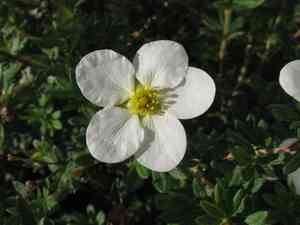
Shrubby cinquefoil (Dasiphora fruticosa)
Also known as: Shrubby five-finger, Widdy
Shrubby cinquefoil, scientifically known as *Dasiphora fruticosa* and formerly referred to as *Potentilla fruticosa*, is a plant species cherished in Japan for bonsai cultivation. Notably, 14 of its cultivars have been honored with the Royal Horticultural Society's Award of Garden Merit.
In This Article
Attributes of Shrubby cinquefoil
Lifespan
Perennial
Plant Type
Shrub
Plant Height
50 cm to 2 m
Spread
90 cm to 1.5 m
Leaf Color
Green Blue Yellow Gold Bronze Brown
Flower Size
2 cm to 3 cm
Flower Color
Yellow White Pink Gold
Images of Shrubby cinquefoil

Quickly Identify Shrubby cinquefoil
1
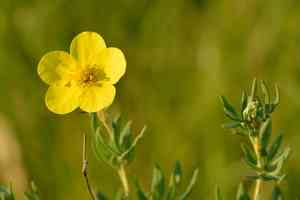
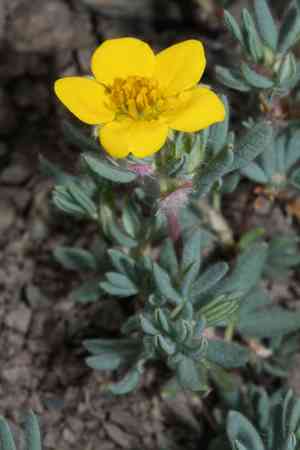
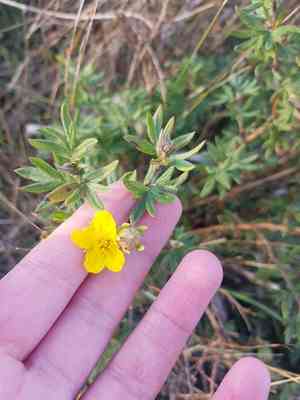
Yellow, rose-like flowers, 0.75 inches (2 cm) across
2
Small, green, pinnate leaves, forming a rounded mound
3
Bright yellow flowers, 1.5 inches (3.8 cm) in diameter
4
Unscented flowers with 5 rounded petals, prolonged bloom season
5
Dry achene fruit, less than 0.2 inches (5 mm), resilient through winter
Scientific Classification of Shrubby cinquefoil
Phylum
Vascular plants
Class
Dicotyledons
Order
Roses, elms, figs, and allies
Family
Rose
Genus
Shrubby cinquefoils
Species
Shrubby cinquefoil
Planting and Growing of Shrubby cinquefoil
Care Difficulty
Easy
Watering Schedule
Every 4 days
Sunlight Requirements
Full sun
Sunshine Duration
6-10 hours
Ideal Temperature
60-75℉
Soil Type
Potting Mix, Peat Mix
Soil pH
6.5-7.5
Fertilizer Type
Balanced
Pruning Season
Spring, Summer
Pruning Area
Branches, Leaves
Pruning Frequency
Once a year
Repotting Season
Spring
Pot Type
Plastic, Terracotta
 How to Water Shrubby cinquefoil?
When watering Dasiphora fruticosa, aim for about 500ml per session, ensuring that the soil is evenly moist but not waterlogged. This can be gauged by feeling the top layer of the soil; it should be damp but not soaking. The goal is to mimic the plant's natural environment where it receives moderate moisture.
What are the symptoms of an underwatered Shrubby cinquefoil?
›
What should I do if my Shrubby cinquefoil is not getting enough water?
›
What are the symptoms of an overwatered Shrubby cinquefoil?
›
How to save an overwatered Shrubby cinquefoil?
›
 What Are the Sunlight Requirements for Shrubby cinquefoil?
Dasiphora fruticosa thrives under full sun to partial sun, benefitting from at least 6 to 8 hours of sunlight. With ideal lighting, it produces abundant blooms and maintains healthy, robust foliage, enhancing its ornamental value.
More About Sunlight Requirements Techniques→
How much sunlight does Dasiphora fruticosa need?
›
What are the best locations for planting?
›
How can you ensure adequate sunlight in your garden?
›
 What Is the Ideal Temperature Range for Shrubby cinquefoil?
The ideal temperature range for Dasiphora fruticosa is between 60°F and 75°F. This range ensures that the plant can photosynthesize effectively while maintaining proper metabolic functions. These temperatures allow the plant to absorb nutrients efficiently from the soil, promoting healthy growth and vibrant blooms.
 What Soil is Best for Shrubby cinquefoil?
Dasiphora fruticosa thrives in well-drained soil to prevent root rot. This ensures the roots get adequate air, preventing diseases and promoting a healthy root system. Moderately fertile soil is ideal as it provides the right balance of nutrients. Overly rich soil can lead to excessive foliage at the expense of blossoms. While good drainage is crucial, retaining some moisture helps sustain growth during dry spells without waterlogging.
 How to Fertilize Shrubby cinquefoil?
For Dasiphora fruticosa, a balanced fertilizer with a formulation like 10-10-10 is often preferred. Liquid fertilizers should be applied at a concentration of half the recommended dose on the label to prevent root burn, especially during the growing season.
 How to Prune Shrubby cinquefoil?
Begin by locating dead, diseased, or damaged branches and carefully cutting them back to their base. Removing this material prevents disease spread and redirects energy to healthier parts of the plant. Trim back overgrown branches to open up the plant's center, improving air circulation and sunlight penetration. This helps in reducing the risk of fungal diseases and encourages vibrant blooms. While cutting, be mindful not to remove more than one-third of the plant at a time. Over-pruning can stress Dasiphora fruticosa and hinder its ability to recover.
More About Pruning Techniques→
 How to Propagate Shrubby cinquefoil plant?
1
Choose a mature and healthy Dasiphora fruticosa plant to take cuttings or seeds from, which ensures the offspring will inherit strong genetic traits and have a higher chance of successful propagation.
2
Cut 4-6 inch long shoots from the parent plant using sterilized pruning shears. Remove lower leaves, leaving only a few on top, to reduce moisture loss and encourage rooting.
3
Place the prepared cuttings in a pot filled with moist potting mix or sow seeds at recommended depth. Keep them in a warm environment, away from direct sunlight, to assist in root formation.
 How to Repot Shrubby cinquefoil plant?
1
Repot Dasiphora fruticosa when you notice roots outgrowing the pot or water drainage issues. Look for signals like roots circling the bottom or the plant becoming top-heavy. These signs indicate it’s time for a new pot and fresh soil.
2
Select a pot slightly larger than the root ball, with sufficient drainage holes. A pot that's too big retains excess water, which can harm the roots. A well-chosen pot ensures balanced moisture levels and promotes healthy root growth.
3
Opt for a well-drained loamy soil that allows for adequate water flow while retaining essential nutrients. Quality soil provides stability and supports vibrant growth by balancing moisture levels and offering essential minerals.



