
Downy thorn-apple (Datura innoxia)
Also known as: Lovache, Angel's trumpet, Indian-apple
In warmer climates, the downy thorn-apple (Datura inoxia) is an invasive species that can establish and spread rapidly. Native to East Africa and naturalized in regions like China, it poses significant risks if introduced to new areas. The plant's aggressive growth allows it to outcompete native flora, disrupting local ecosystems and reducing biodiversity. Additionally, all parts of the downy thorn-apple are highly toxic to both humans and animals, posing health risks. While it is sometimes grown in gardens, caution is needed to prevent it from overtaking other plants. Currently, there are no widespread bans on its sale, transport, or cultivation, but its spread is generally discouraged due to its invasive nature and toxicity.
Attributes of Downy thorn-apple
Images of Downy thorn-apple
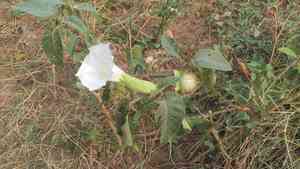
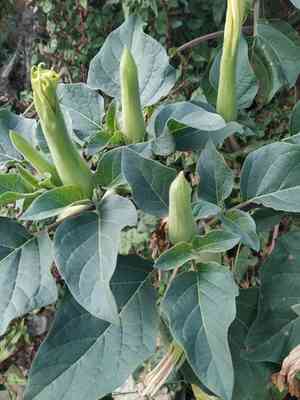
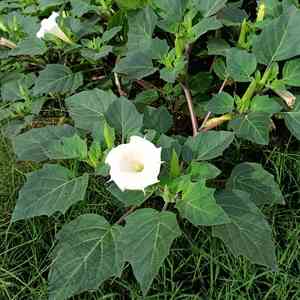
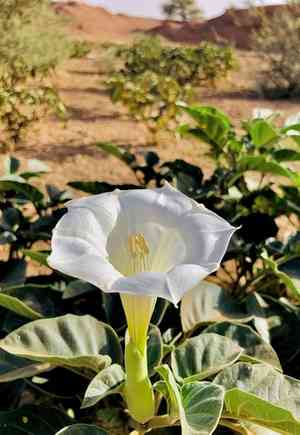
Quickly Identify Downy thorn-apple
Scientific Classification of Downy thorn-apple
Planting and Growing of Downy thorn-apple
 How to Water Downy thorn-apple?
 What Are the Sunlight Requirements for Downy thorn-apple?
 What Is the Ideal Temperature Range for Downy thorn-apple?
 What Soil is Best for Downy thorn-apple?
 How to Fertilize Downy thorn-apple?
 How to Prune Downy thorn-apple?
 How to Propagate Downy thorn-apple plant?
 How to Repot Downy thorn-apple plant?
Toxicity of Downy thorn-apple
Is Downy thorn-apple toxic to humans?
Downy thorn-apple is extremely toxic when ingested, primarily due to the presence of hazardous alkaloids such as atropine and scopolamine. Every part of the downy thorn-apple plant possesses poisonous characteristics, and the ingestion of even a minute quantity can result in serious side effects. Anticholinergic symptoms manifest as a consequence of consumption, affecting the central nervous system and potentially leading to delirium, anxiety, confusion, seizures, overactivity, and hallucinations. Additionally, it may cause an elevated heart rate, high fever, dilation of the pupils, widening of blood vessels, difficulties in urination, and respiratory issues. In severe instances, paralysis and death may occur.
Is Downy thorn-apple toxic to cat?
The downy thorn-apple is categorized as a highly toxic plant, presenting a serious hazard to the health of cats. Felines can suffer from poisoning if they accidentally consume any portion of this plant, including its leaves, flowers, seeds, and roots. When affected, a cat may show a range of distressing symptoms, which can manifest as changes in behavior, digestive issues, or additional indications of illness. Considering the potentially grave consequences of such poisoning, it is crucial for cat owners to vigilantly watch over their pets and promptly seek veterinary assistance if they suspect their cat has ingested downy thorn-apple.
Is Downy thorn-apple toxic to dog?
Downy thorn-apple is recognized as toxic to dogs. Any part of this plant can be harmful if ingested by canines, as it contains toxic substances throughout. If a dog consumes downy thorn-apple, it may show symptoms such as vomiting, diarrhea, dilated pupils, excessive drooling, weakness, breathing difficulties, or even seizures. The severity of these symptoms can vary based on the quantity consumed and the dog's size. Dog owners must ensure their pets do not come into contact with downy thorn-apple and should watch them carefully if they are near areas where this plant is found. Should a dog ingest downy thorn-apple, it is essential to seek immediate veterinary assistance to effectively address the poisoning.



