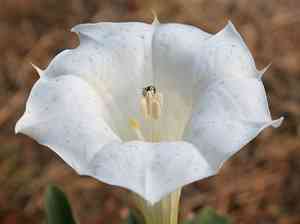
Downy thorn-apple(Datura innoxia)

Downy thorn-apple (Datura innoxia)

Also known as: Lovache, Angel's trumpet, Indian-apple

In warmer climates, the downy thorn-apple (Datura inoxia) is an invasive species that can establish and spread rapidly. Native to East Africa and naturalized in regions like China, it poses significant risks if introduced to new areas. The plant's aggressive growth allows it to outcompete native flora, disrupting local ecosystems and reducing biodiversity. Additionally, all parts of the downy thorn-apple are highly toxic to both humans and animals, posing health risks. While it is sometimes grown in gardens, caution is needed to prevent it from overtaking other plants. Currently, there are no widespread bans on its sale, transport, or cultivation, but its spread is generally discouraged due to its invasive nature and toxicity.

Attributes of Downy thorn-apple

Lifespan
Annual, Perennial
Plant Type
Herb
Plant Height
60 cm to 1.5 m
Spread
90 cm to 1.8 m
Leaf Color
Green
Flower Size
7 cm to 10 cm
Flower Color
White Pink Cream Purple

PlantJoy - Identify plants with a snap

Identify and diagnose plants, get toxicity alerts, and explore safety guides for all types of fungi.

Try for Free

Images of Downy thorn-apple

Downy thorn-apple(Datura innoxia)

Quickly Identify Downy thorn-apple

1
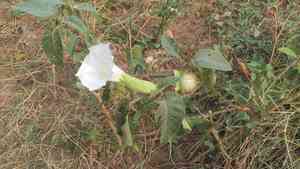
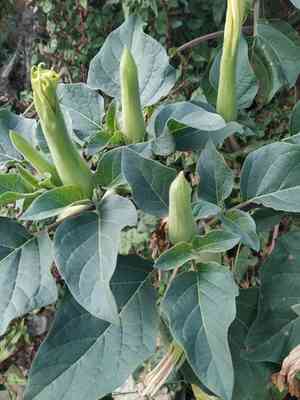
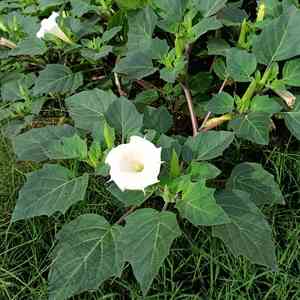
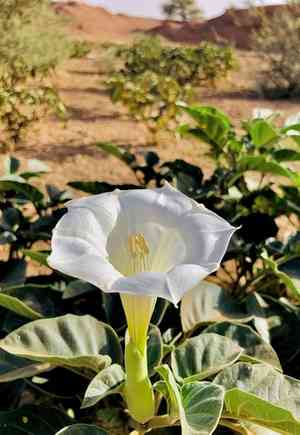
Large, tubular flowers measuring 7-8 inches (18-20 cm) in length, with colors ranging from cream to pink to lavender.
2
Wavy-margined, dark green leaves up to 8 inches (20 cm) long, soft to touch with a downy texture.
3
Spiny fruit capsule averaging 2 inches (5 cm) in diameter, turning from green to brownish-yellow upon maturity.
4
Plant grows up to 3 feet (91 cm) tall, thrives in arid conditions with toxic foliage and white tubular night-blooming flowers.
5
Distinct flower fragrance, opening elegantly from mid-summer to first frost, attracting pollinators during late afternoons and cloudy days.

Scientific Classification of Downy thorn-apple

Phylum
Vascular plants
Class
Dicotyledons
Order
Solanales
Family
Nightshade
Genus
Thornapples
Species
Downy thorn-apple

Planting and Growing of Downy thorn-apple

Care Difficulty
Easy
Watering Schedule
Every 3 days
Sunlight Requirements
Full sun
Sunshine Duration
4-8 hours
Ideal Temperature
65-75℉
Soil Type
Potting Mix, Peat Mix
Soil pH
6.5-7.5
Fertilizer Type
Balanced
Pruning Season
Spring, Summer
Pruning Area
Branches, Leaves
Pruning Frequency
2 times a year
Repotting Season
Spring
Pot Type
Plastic, Ceramic

water icon How to Water Downy thorn-apple?

Water Datura innoxia until the soil feels evenly moist but not soggy. It's crucial to ensure that the plant has proper drainage as it dislikes sitting in water. Use approximately 400ml of water each time to achieve the right moisture level.
What are the symptoms of an underwatered Downy thorn-apple?
What should I do if my Downy thorn-apple is not getting enough water?
What are the symptoms of an overwatered Downy thorn-apple?
How to save an overwatered Downy thorn-apple?

sunlight icon What Are the Sunlight Requirements for Downy thorn-apple?

Sunlight Requirements: Full sun, Partial sun
Duration of light: 6-8 hours daily
Datura innoxia flourishes best in full to partial sun, enabling its expansive growth and prolific flowering. Adequate sunlight fosters productive photosynthesis, vital for maintaining plant vigor.
What are the ideal lighting conditions?
How to achieve ideal lighting?
What are the benefits of ideal lighting?

temperature icon What Is the Ideal Temperature Range for Downy thorn-apple?

Ideal Temperature: 65 ~ 75℉
Datura innoxia thrives best in temperatures ranging from 65°F to 75°F. This range provides an optimal environment for the plant's photosynthesis and metabolic processes, ensuring healthy growth and vibrant blooms. Maintaining this ideal temperature range helps prevent stress and promotes consistent development.

soil icon What Soil is Best for Downy thorn-apple?

Soil type: Loam, Sandy loam, Sandy soil
Soil PH: 6.5 ~ 7.5
Datura innoxia thrives in well-drained soil, as excessive moisture can lead to root rot. Ensuring the soil has good drainage provides a solid foundation for the plant to draw nutrients without becoming waterlogged. The plant benefits from nutrient-rich soil, which supports its vigorous growth and large, showy flowers. Incorporating organic matter can significantly enhance the nutrient profile of the soil, boosting the plant's overall health. Good soil aeration is crucial for Datura innoxia as it promotes root development and microbial activity. Air passages in the soil enable roots to access oxygen, improving nutrient uptake and plant vitality.

fertilize icon How to Fertilize Downy thorn-apple?

Fertilizer type: Balanced
For Datura innoxia, use a balanced liquid fertilizer at a concentration of one teaspoon per gallon of water. Ensure even distribution around the plant's base to avoid nutrient concentration.

prune icon How to Prune Downy thorn-apple?

Pruning Time: Spring, Summer, Autumn
Before starting, familiarize yourself with your Datura innoxia’s growth habit. Identify the main stems and any branches that appear overcrowded or growing inward. This understanding will guide you in making effective cuts. Begin by cutting away any dead, diseased, or damaged branches. This helps prevent the spread of disease and allows the plant to invest energy in healthy growth. Prune to shape the plant, focusing on maintaining an open center for air circulation. Trim branches to just above a leaf node to encourage new shoots, creating a fuller and healthier plant. After shaping, step back to observe the plant's appearance. Make additional cuts as needed to ensure symmetry and an appealing form, always cutting at a slight angle to promote water runoff.

propagate icon How to Propagate Downy thorn-apple plant?

Propagate Time: Late spring,Early summer
1
To propagate Datura innoxia from seeds, wait until the seed pods are mature and dry. Collect the seeds carefully and store them in a cool, dry place until you're ready to plant.
2
Prepare a well-draining soil mix for the seeds or cuttings. This is crucial as Datura innoxia prefers soil that does not retain excessive moisture, which can lead to root rot.
3
Plant the seeds or cuttings in the prepared soil. Ensure that the seeds are sown at a shallow depth, while cuttings should be planted so that they can stand upright without support.

repot icon How to Repot Downy thorn-apple plant?

Repotting frequency: Once every 1-2 years
1
Datura innoxia shows it's ready for repotting when the roots begin to emerge from the drainage holes or the plant becomes root-bound, causing slow growth. Spring and early summer are the optimal times as this is when the plant is naturally in a growth phase, making it better equipped to handle the stress of repotting. Look out for these signs to ensure you're repotting at the ideal time.
2
Select a pot that is 1-2 inches larger in diameter than the current one. A pot that's too large can hold excess moisture, leading to root rot. It's best if the pot has ample drainage holes, allowing excess water to escape easily, preventing waterlogged roots and promoting healthy plant development.
3
A well-draining potting mix is crucial for Datura innoxia. Ideally, use a blend with equal parts peat moss, perlite, and coarse sand. This mixture ensures proper aeration and drainage, preventing water retention that could lead to root rot. It also supports the plant's need for a somewhat dry environment.

PlantJoy - Identify plants with a snap

Find the best spots for them to optimize their health, simply using your phone.

Try for Free

Toxicity of Downy thorn-apple

Is Downy thorn-apple toxic to humans?

Downy thorn-apple is extremely toxic when ingested, primarily due to the presence of hazardous alkaloids such as atropine and scopolamine. Every part of the downy thorn-apple plant possesses poisonous characteristics, and the ingestion of even a minute quantity can result in serious side effects. Anticholinergic symptoms manifest as a consequence of consumption, affecting the central nervous system and potentially leading to delirium, anxiety, confusion, seizures, overactivity, and hallucinations. Additionally, it may cause an elevated heart rate, high fever, dilation of the pupils, widening of blood vessels, difficulties in urination, and respiratory issues. In severe instances, paralysis and death may occur.

Is Downy thorn-apple toxic to cat?

The downy thorn-apple is categorized as a highly toxic plant, presenting a serious hazard to the health of cats. Felines can suffer from poisoning if they accidentally consume any portion of this plant, including its leaves, flowers, seeds, and roots. When affected, a cat may show a range of distressing symptoms, which can manifest as changes in behavior, digestive issues, or additional indications of illness. Considering the potentially grave consequences of such poisoning, it is crucial for cat owners to vigilantly watch over their pets and promptly seek veterinary assistance if they suspect their cat has ingested downy thorn-apple.

Is Downy thorn-apple toxic to dog?

Downy thorn-apple is recognized as toxic to dogs. Any part of this plant can be harmful if ingested by canines, as it contains toxic substances throughout. If a dog consumes downy thorn-apple, it may show symptoms such as vomiting, diarrhea, dilated pupils, excessive drooling, weakness, breathing difficulties, or even seizures. The severity of these symptoms can vary based on the quantity consumed and the dog's size. Dog owners must ensure their pets do not come into contact with downy thorn-apple and should watch them carefully if they are near areas where this plant is found. Should a dog ingest downy thorn-apple, it is essential to seek immediate veterinary assistance to effectively address the poisoning.

Identify toxic plants for your safety

Learn which plants are harmful to you and your pets, and make informed choices for a safer home!

Try for Free
WARNING
The judgment on toxicity and danger is for reference only. We DO NOT GUARANTEE any accuracy of such judgment. Therefore, you SHALL NOT rely on such judgment. It is IMPORTANT TO SEEK PROFESSIONAL ADVICE in advance when necessary.