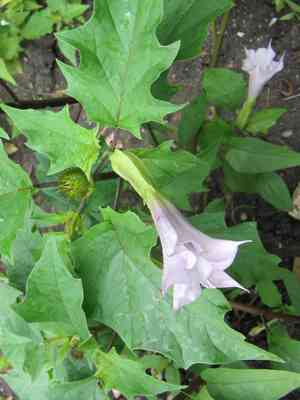
Jimsonweed (Datura stramonium)
Also known as: Moon flower, Angel's trumpet
Jimsonweed (Datura stramonium) is a nightshade plant native to Central America and is known for its toxicity and strong odor. The name "Jimsonweed" originates from Jamestown, Virginia. In 1676, British soldiers who consumed the plant during Bacon's Rebellion experienced significant hallucinogenic effects, leading to its common name. It is also considered an invasive species in temperate regions.
Attributes of Jimsonweed
Images of Jimsonweed
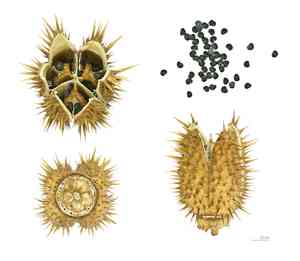
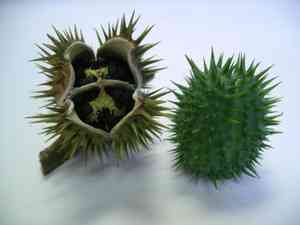
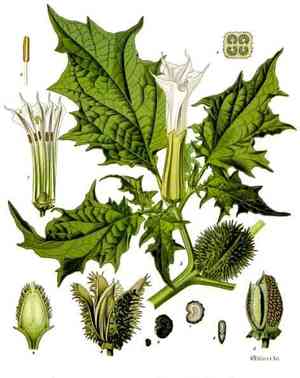

Quickly Identify Jimsonweed
Scientific Classification of Jimsonweed
Planting and Growing of Jimsonweed
 How to Water Jimsonweed?
 What Are the Sunlight Requirements for Jimsonweed?
 What Is the Ideal Temperature Range for Jimsonweed?
 What Soil is Best for Jimsonweed?
 How to Fertilize Jimsonweed?
 How to Prune Jimsonweed?
 How to Propagate Jimsonweed plant?
 How to Repot Jimsonweed plant?
Toxicity of Jimsonweed
Is Jimsonweed toxic to humans?
Jimsonweed is extremely toxic to humans. Instances of jimsonweed poisoning result from consuming any part of this plant, including its leaves, stems, flowers, and especially its seeds, and can prove to be quite severe. The symptoms manifest as flushed skin, enlarged pupils, headaches, confusion, delirium, unusual or erratic behavior, urinary retention, an intense sensitivity to sunlight, and, in severe instances, may lead to coma or even death. Jimsonweeds are characterized by their unique, spiky seed pods and distinctive flowers, making accidental ingestion quite rare.
Is Jimsonweed toxic to cat?
Jimsonweed poses a substantial health threat to cats due to its toxicity. When felines consume any portion of this plant—such as leaves, flowers, seeds, or stems—they risk experiencing poisoning. Common situations leading to this include accidental ingestion. If a cat ingests jimsonweed, it may suffer from intense physical discomfort, necessitating swift medical intervention. Therefore, it is crucial for cat owners to keep their pets away from jimsonweed and to promptly seek veterinary care if their cat exhibits signs of poisoning.
Is Jimsonweed toxic to dog?
Jimsonweed is an extremely poisonous plant for dogs, presenting significant health dangers. All parts of this plant possess toxic characteristics, and dogs can become poisoned by consuming any portion. Should a dog inadvertently ingest jimsonweed, it may display symptoms including dilated pupils, breathing difficulties, lethargy, vomiting, diarrhea, and in severe instances, could suffer from seizures or even coma. Given the extreme toxicity of jimsonweed, dog owners must take measures to keep their pets away from this plant and should promptly seek veterinary assistance if they suspect ingestion.



