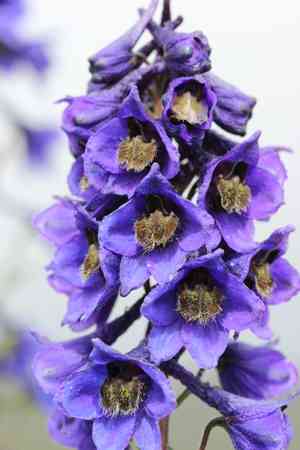
Candle larkspur (Delphinium elatum)
Also known as: Bee larkspur, Alpine delphinium
Delphinium elatum is a striking ornamental plant, known for cultivars such as 'Magic Fountains', 'Dwarf Pacific', 'New Millennium', 'Pacific Giant', and several varieties of 'Aurora'. The scientific name Delphinium elatum was first attributed by Carl Linnaeus, the Swedish botanist, in 1753.
Attributes of Candle larkspur
Images of Candle larkspur
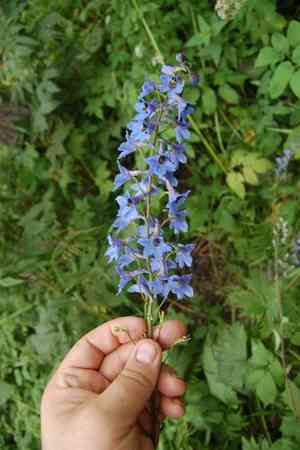
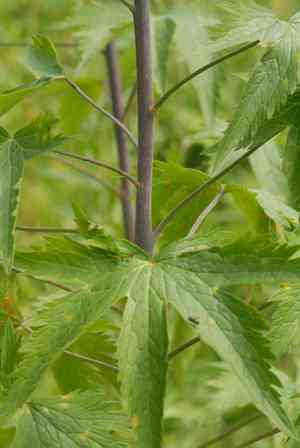
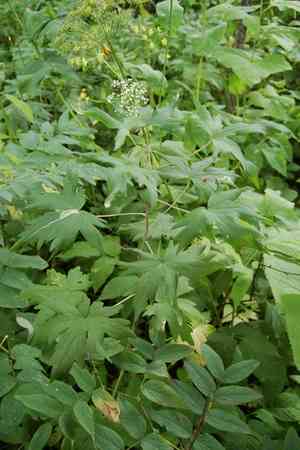
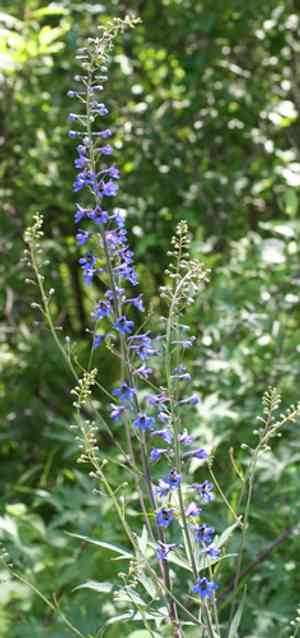
Quickly Identify Candle larkspur
Scientific Classification of Candle larkspur
Planting and Growing of Candle larkspur
 How to Water Candle larkspur?
 What Are the Sunlight Requirements for Candle larkspur?
 What Is the Ideal Temperature Range for Candle larkspur?
 What Soil is Best for Candle larkspur?
 How to Fertilize Candle larkspur?
 How to Prune Candle larkspur?
 How to Propagate Candle larkspur plant?
 How to Repot Candle larkspur plant?
Toxicity of Candle larkspur
Is Candle larkspur toxic to humans?
Candle larkspur possesses a moderate to high level of toxicity to humans due to its alkaloid compounds. While all parts of this plant are toxic, extra vigilance is particularly necessary during its early growth stages, as this is when it harbors the highest concentration of harmful substances, making it exceptionally dangerous. Consuming candle larkspur may lead to serious gastrointestinal complications, a decrease in heart rate and blood pressure, as well as potential respiratory failure. Ingestion can be lethal due to its impact on both the cardiovascular and neuromuscular systems. Additionally, physical contact with the plant can cause skin irritation.
Is Candle larkspur toxic to cat?
Candle larkspur poses a notable threat to the well-being of cats, categorized under a broad classification of toxicity. If a cat consumes any portion of candle larkspur, which is entirely poisonous, it may show various signs of distress. Ingestion can occur accidentally, as a cat’s natural curiosity may lead to unintentional eating. Following poisoning, cats might exhibit symptoms that indicate physical discomfort, which may include gastrointestinal disturbance and neurological issues. To protect feline health, swift action is crucial; any suspicion of candle larkspur ingestion necessitates immediate veterinary care to ensure a prompt and appropriate reaction to the poisoning.
Is Candle larkspur toxic to dog?
Candle larkspur is a plant that presents a considerable health hazard to dogs due to its toxic properties. Any part of the plant is deemed poisonous, which puts dogs at risk if they consume it. Symptoms may arise in dogs following ingestion of candle larkspur, including gastrointestinal distress, muscle tremors, and heart complications. It is essential for dog owners to restrict their pets from entering areas where candle larkspur proliferates and to remain alert for any pieces of the plant that could accidentally enter their homes. Should a dog be suspected of consuming candle larkspur, it is vital to seek prompt veterinary attention to ensure the highest potential for recovery for the animal.



