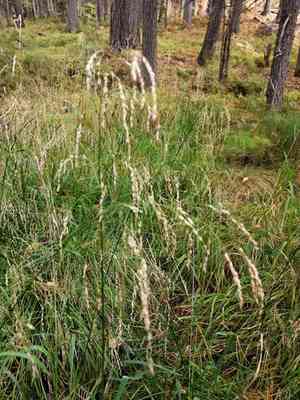
Tufted hairgrass (Deschampsia cespitosa)
Also known as: Hassock Grass, Northern lights, Silver-grass, Hassock
Tufted hairgrass (Deschampsia cespitosa) is an ornamental grass that starts off green in the spring and transitions to a rich golden hue as the year progresses. It is a favored food source for butterfly larvae, including those of the umber skipper.
In This Article
Attributes of Tufted hairgrass
Lifespan
Perennial
Plant Type
Grass
Plant Height
75 cm
Spread
30 cm to 60 cm
Leaf Color
Green
Flower Size
2.5 cm
Flower Color
Green Purple Yellow Silver Brown Gold
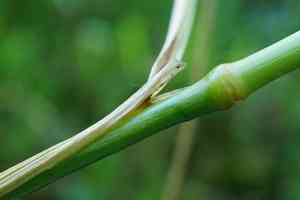
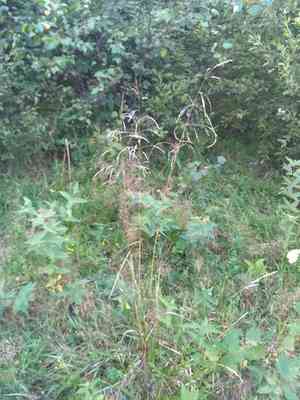
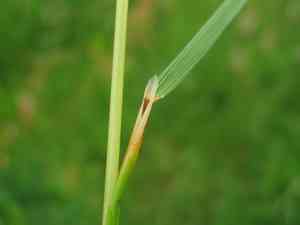
Images of Tufted hairgrass
Quickly Identify Tufted hairgrass
1
Tufted, narrow green leaves with arching habit.
2
Airy flower panicles with variable colors.
3
Self-seeding grass with golden fall foliage.
4
Flowers form cloud-like inflorescences up to 20 inches (50 cm) long.
5
Dry caryopsis seeds for wind dispersal, tan inflorescences persist into winter.
Scientific Classification of Tufted hairgrass
Phylum
Vascular plants
Class
Monocotyledons
Order
Poales
Family
Grass
Genus
Hair grass
Species
Tufted hairgrass
Planting and Growing of Tufted hairgrass
Care Difficulty
Easy
Watering Schedule
Every 4 days
Sunlight Requirements
Partial sun
Sunshine Duration
6-12 hours
Ideal Temperature
60-75℉
Soil Type
Potting Mix, Peat Mix
Soil pH
4.5-7.5
Fertilizer Type
Balanced
Pruning Season
Spring, Summer
Pruning Area
Branches, Leaves
Pruning Frequency
2 times a year
Repotting Season
Spring
Pot Type
Plastic, Ceramic
 How to Water Tufted hairgrass?
Deschampsia cespitosa thrives best when the soil is consistently moist. Watering with approximately 500 milliliters ensures the soil is thoroughly moistened to a depth where the roots can comfortably absorb moisture. This prevents any potential drought stress and helps maintain lush foliage.
What are the symptoms of an underwatered Tufted hairgrass?
›
What should I do if my Tufted hairgrass is not getting enough water?
›
What are the symptoms of an overwatered Tufted hairgrass?
›
How to save an overwatered Tufted hairgrass?
›
 What Are the Sunlight Requirements for Tufted hairgrass?
Deschampsia cespitosa ideally requires partial sun to full sun exposure. Proper lighting promotes healthy growth, ensuring the plant maintains its vibrant, tufted form without deficiencies or stunted development.
More About Sunlight Requirements Techniques→
What type of sunlight does Deschampsia cespitosa prefer?
›
How can I ensure Deschampsia cespitosa gets its ideal light?
›
What are the benefits of providing the ideal lighting?
›
 What Is the Ideal Temperature Range for Tufted hairgrass?
The ideal temperature range for cultivating Deschampsia cespitosa is between 60°F and 75°F. Maintaining temperatures within this range ensures optimal growth and health of the plant, allowing it to develop lush foliage and vibrant flowers. This temperature provides the plant with the right conditions to support photosynthesis and nutrient absorption, leading to robust plant development.
 What Soil is Best for Tufted hairgrass?
Deschampsia cespitosa thrives in well-drained soil as it prevents waterlogging, which can lead to root rot. Ensuring proper drainage enhances root aeration, promoting healthy growth and robust plant development. This grass species benefits from soil that retains moisture without being waterlogged, facilitating its natural growth patterns. Adequate moisture levels ensure sustained hydration during dry spell, supporting lush foliage and vitality. Soils rich in organic matter provide essential nutrients and improve soil structure, enhancing Deschampsia cespitosa's ability to absorb nutrients. This nutrient-rich environment propels its growth and canopy density.
More About Soil→
 How to Fertilize Tufted hairgrass?
Deschampsia cespitosa benefits from balanced nutrient supply. It requires about 1/4 pound of 10-10-10 granular fertilizer per 10 square feet in spring. This amount ensures proper growth without overwhelming the plant.
More About Fertilizing Techniques→
 How to Prune Tufted hairgrass?
Before you start, gather necessary tools like sharp scissors or garden shears. Make sure tools are clean and sterilized to prevent diseases. Wear gloves to protect your hands from any sharp or rough edges of the plant. Begin by removing any dead or brown grass blades and stems near the base. Make clean cuts to remove the spent flower spikes to control seeding. Trim back the foliage to about one-third its height to maintain shape and vigor. This stimulates new growth while keeping the plant manageable.
 How to Propagate Tufted hairgrass plant?
1
When propagating Deschampsia cespitosa by seed, collect ripe seeds from the plant in late summer. Ensure the seeds are fully matured, as immature seeds will have low germination rates.
2
Sow the collected seeds in a seed tray filled with a well-draining seed starting mix. Lightly cover the seeds with soil and mist them gently. Place the tray in a warm location with indirect sunlight.
3
For division propagation, carefully dig around a mature clump in early spring. Use a garden fork to gently separate the root clump into smaller sections, ensuring each section has a good amount of roots and shoots.
 How to Repot Tufted hairgrass plant?
1
Deschampsia cespitosa needs repotting when roots start escaping through the drainage holes, the soil becomes compacted, or growth appears stunted. Typically, signs appear during early spring or late autumn, providing a perfect window for repotting.
2
Opt for a pot slightly larger than the previous one to give roots space to grow. Ensure the pot has adequate drainage holes to prevent waterlogging, which can cause root rot and compromise plant health.
3
A mix of loamy soil, perlite, and compost is ideal. This blend maintains moisture while allowing excessive water to drain efficiently. This setup prevents root decay and encourages robust growth, mimicking the plant’s natural habitat.



