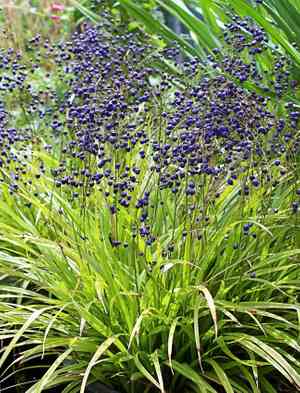
Flax lily (Dianella ensifolia)
Also known as: Umbrella Dianella, Benjuang
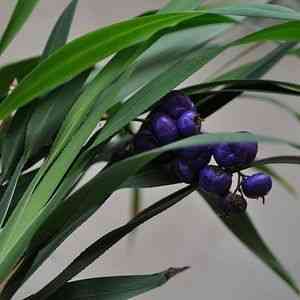
The plant you're referring to is likely the Flax Lily (Dianella ensifolia). This perennial thrives in swampy regions and can reach heights of up to 1.5 meters. It spreads through its roots to create extensive clumps. The juice extracted from its berries has traditionally been used for dyeing textiles and garments, and it is potent enough to stain surfaces like pavement.
Attributes of Flax lily
Images of Flax lily

Quickly Identify Flax lily
Scientific Classification of Flax lily
Planting and Growing of Flax lily
 How to Water Flax lily?
 What Are the Sunlight Requirements for Flax lily?
 What Is the Ideal Temperature Range for Flax lily?
 What Soil is Best for Flax lily?
 How to Fertilize Flax lily?
 How to Prune Flax lily?
 How to Propagate Flax lily plant?
 How to Repot Flax lily plant?
Toxicity of Flax lily
Is Flax lily toxic to cat?
Flax lily represents a potential toxic hazard for our feline friends. Should a cat accidentally consume any portion of this plant, it may result in poisoning. Symptoms to be aware of include general physical discomfort and signs of distress. It is essential for cat owners to remain alert and prevent their pets from reaching flax lily to mitigate any risk of poisoning. In the event that a cat is believed to have ingested flax lily, prompt veterinary care is vital for the pet's health and well-being.
Is Flax lily toxic to dog?
Flax lily is recognized as a plant that poses toxicity to dogs. When dogs consume any part of the flax lily, they face the risk of poisoning, as the entire plant contains toxic components. Dogs might unintentionally ingest portions of flax lily driven by curiosity or by confusing it with a non-toxic plant. After consumption, canines may show signs such as vomiting, diarrhea, lethargy, or potentially more severe reactions, depending on the quantity ingested and their specific sensitivity. It is vital for dog owners to vigilantly supervise their pets and restrict access to flax lily. Should a dog accidentally consume this plant, seeking immediate veterinary help is essential to guarantee appropriate care and treatment.



