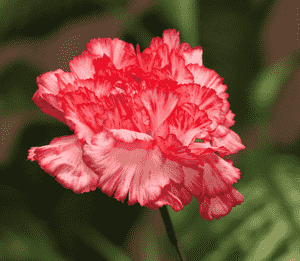
Carnation (Dianthus caryophyllus)
Also known as: Mini carmation
The peony (Paeonia) is a herbaceous ornamental perennial celebrated for its lush, fragrant flowers. Native varieties can be found across Asia, Europe, and Western North America. The peony carries significant cultural symbolism, often representing prosperity, honor, and romance in various cultures around the world.
Attributes of Carnation
Images of Carnation
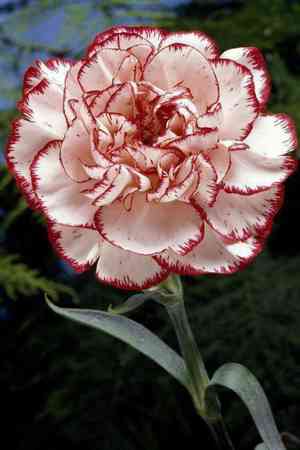
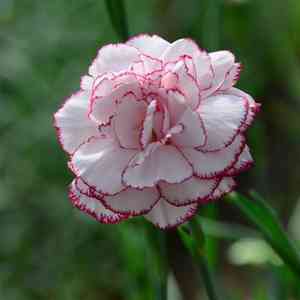
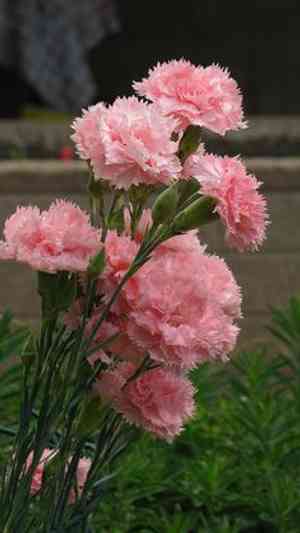
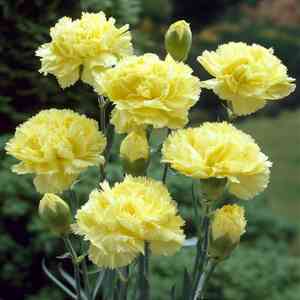
Quickly Identify Carnation
Scientific Classification of Carnation
Planting and Growing of Carnation
 How to Water Carnation?
 What Are the Sunlight Requirements for Carnation?
 What Is the Ideal Temperature Range for Carnation?
 What Soil is Best for Carnation?
 How to Fertilize Carnation?
 How to Prune Carnation?
 How to Propagate Carnation plant?
 How to Repot Carnation plant?
Toxicity of Carnation
Is Carnation toxic to cat?
Carnation (Dianthus caryophyllus) poses a mild toxicity risk to cats due to the presence of harmful substances in its stems, leaves, and flower petals. Although eating parts of the plant can lead to diarrhea and gastrointestinal distress, there are no recorded cases of fatal outcomes from such ingestion. Nonetheless, any cases of poisoning should be treated with caution, and it is important to consult a veterinarian if symptoms persist.
Is Carnation toxic to dog?
Consuming any portion of the carnation plant may lead to a mild reaction in your dog, which generally includes diarrhea and potentially redness in the mucous membranes. The severity of these symptoms is contingent upon the quantity ingested by the dog. It’s advisable to keep these common flowers out of reach from your pets.



