
Dutchman's breeches (Dicentra cucullaria)
Also known as: Snowboys, White hearts, Monks head, Kitten breeches, Little boys breeches
The name "Dutchman's breeches" originates from the flower's shape, which looks like traditional Dutch trousers. This woodland plant blooms in early spring, typically between March and April, providing an important early food source for bees and other pollinators. By late summer, the plant goes dormant.
Attributes of Dutchman's breeches
Images of Dutchman's breeches
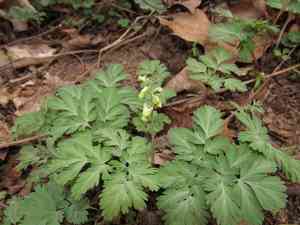
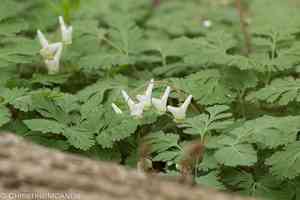
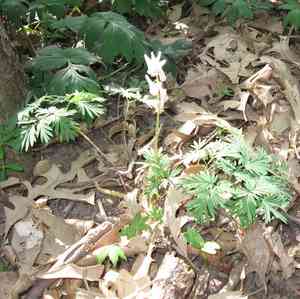

Quickly Identify Dutchman's breeches
Scientific Classification of Dutchman's breeches
Planting and Growing of Dutchman's breeches
 How to Water Dutchman's breeches?
 What Are the Sunlight Requirements for Dutchman's breeches?
 What Is the Ideal Temperature Range for Dutchman's breeches?
 What Soil is Best for Dutchman's breeches?
 How to Fertilize Dutchman's breeches?
 How to Prune Dutchman's breeches?
 How to Propagate Dutchman's breeches plant?
 How to Repot Dutchman's breeches plant?
Toxicity of Dutchman's breeches
Is Dutchman's breeches toxic to humans?
Owing to the presence of isoquinoline alkaloids, the dutchman's breeches can result in mild to severe toxic reactions when consumed, and can also produce slight skin dermatitis upon physical contact with the plant. Although such poisoning typically does not result in fatalities, it can lead to significant health issues. The onset of symptoms following ingestion occurs rapidly and generally includes tremors, vomiting, diarrhea, unsteady movements, convulsions, and respiratory difficulties. Contact with the foliage or any other portion of the plant can lead to redness, itchiness, rashes, and irritation. Every part of the dutchman's breeches is considered toxic.
Is Dutchman's breeches toxic to cat?
Dutchman's breeches is regarded as a toxic plant for cats. If cats ingest any portion of dutchman's breeches, they face the danger of poisoning, especially if they mistakenly consume the plant while exploring or engaging in play. Post-ingestion, the cat may show signs of physical distress, which can appear through behaviors suggesting illness or discomfort. It is essential for cat owners to maintain vigilance and ensure that dutchman's breeches is kept out of their pets' reach. Should poisoning be suspected, prompt action from a veterinary clinic is crucial to safeguard the health and wellbeing of the injured cat.
Is Dutchman's breeches toxic to dog?
Dutchman's breeches is recognized as a toxic species for dogs. All parts of this plant are deemed poisonous, posing a risk of poisoning if a dog ingests any section of it. When a dog consumes dutchman's breeches, it may show symptoms including gastrointestinal distress, tremors, or cardiac issues. Therefore, it is essential for dog owners to keep their pets away from habitats where dutchman's breeches flourishes and to keep an eye out for any signs of discomfort that may suggest toxicity. Should a dog ingest dutchman's breeches, prompt veterinary assistance is vital to secure the best possible recovery for the animal.



