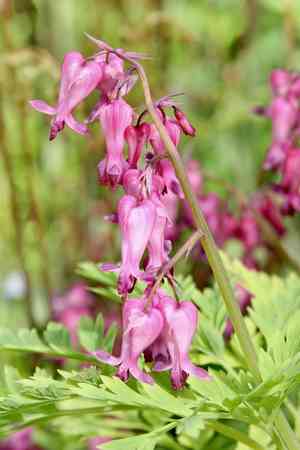
Bleeding Heart (Dicentra eximia)
Also known as: Wild Bleedingheart, Bleeding-Heart, Fringed Bleeding Heart, Staggarweed
Dicentra eximia, known as fringed bleeding heart or wild bleeding heart, features delicate, fern-like foliage and clusters of small, pink, heart-shaped flowers. Native to the Appalachian Mountains, it thrives in shady garden areas. Note that this plant is toxic if consumed.
Attributes of Bleeding Heart
Images of Bleeding Heart
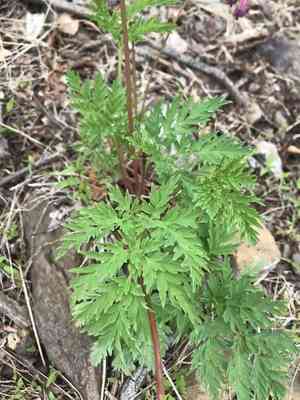
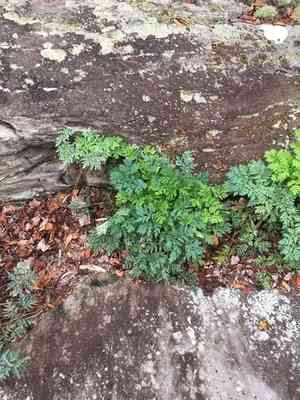
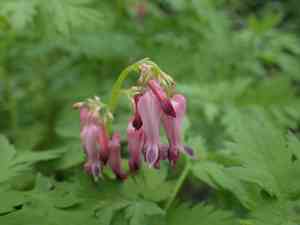
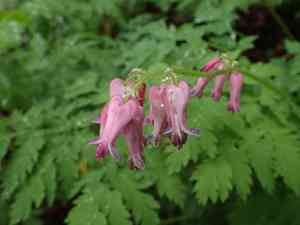
Quickly Identify Bleeding Heart
Scientific Classification of Bleeding Heart
Planting and Growing of Bleeding Heart
 How to Water Bleeding Heart?
 What Are the Sunlight Requirements for Bleeding Heart?
 What Is the Ideal Temperature Range for Bleeding Heart?
 What Soil is Best for Bleeding Heart?
 How to Fertilize Bleeding Heart?
 How to Prune Bleeding Heart?
 How to Propagate Bleeding Heart plant?
 How to Repot Bleeding Heart plant?
Toxicity of Bleeding Heart
Is Bleeding Heart toxic to humans?
The bleeding Heart is a plant known for its toxicity, which can lead to low to moderate poisoning if consumed in significant amounts, and can also provoke mild to severe skin irritation upon physical contact. Its toxic effects are primarily significant when ingested in large quantities, making the risk to humans generally low. Every part of this plant possesses slight poisonous characteristics due to the presence of isoquinoline alkaloids, with the highest concentrations found in the leaves. Internal poisoning symptoms may manifest as vomiting, diarrhea, convulsions, unsteadiness, breathing difficulties, trembling, staggering, and overall weakness. Additionally, skin irritation may arise from contact with the plant's sap, though this irritation usually diminishes after a brief period.
Is Bleeding Heart toxic to cat?
The Bleeding Heart plant is toxic to cats. If a cat consumes any portion of this plant, it may experience physical discomfort or exhibit symptoms of illness, since every part of the Bleeding Heart poses potential risks. Cats might unintentionally eat leaves, flowers, or stems, creating a poisoning situation. Swift medical intervention at a veterinary facility is crucial for any suspected ingestion of Bleeding Heart to reduce the effects of the toxicity and safeguard the health of the cat.
Is Bleeding Heart toxic to dog?
The Bleeding Heart plant is considered toxic to dogs, presenting a serious hazard if any part of it is ingested. Dogs may inadvertently eat sections of this plant, resulting in poisoning. The entire plant carries harmful properties, which means that any part consumed can lead to negative health consequences. Signs of poisoning can include, but are not limited to, vomiting, diarrhea, excessive drooling, lethargy, and stomach pain. It is essential for dog owners to keep a close watch on their pets and prevent them from accessing the Bleeding Heart. If ingestion is suspected, prompt veterinary attention is vital to ensure the best possible prognosis for the affected dog.



