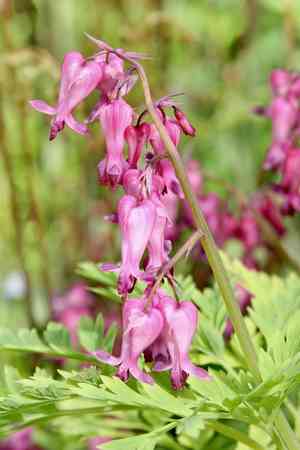
Bleeding Heart(Dicentra eximia)

Bleeding Heart (Dicentra eximia)

Also known as: Wild Bleedingheart, Bleeding-Heart, Fringed Bleeding Heart, Staggarweed

Dicentra eximia, known as fringed bleeding heart or wild bleeding heart, features delicate, fern-like foliage and clusters of small, pink, heart-shaped flowers. Native to the Appalachian Mountains, it thrives in shady garden areas. Note that this plant is toxic if consumed.

Attributes of Bleeding Heart

Lifespan
Perennial
Plant Type
Herb
Plant Height
30 cm to 45 cm
Spread
30 cm to 45 cm
Leaf Color
Green Gray
Flower Size
2 mm to 5 mm
Flower Color
Pink White Purple Red

PlantJoy - Identify plants with a snap

Identify and diagnose plants, get toxicity alerts, and explore safety guides for all types of fungi.

Try for Free

Images of Bleeding Heart

Bleeding Heart(Dicentra eximia)

Quickly Identify Bleeding Heart

1
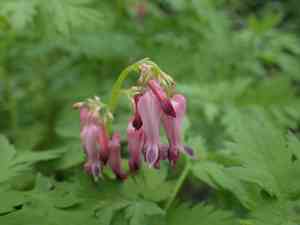
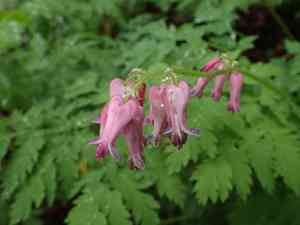
Heart-shaped, pink to purple flowers on erect-spreading inflorescence.
2
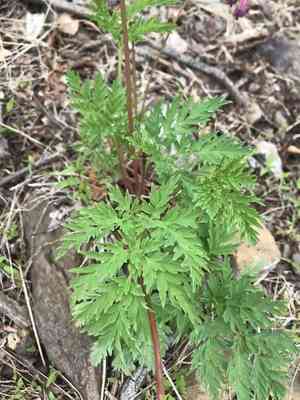
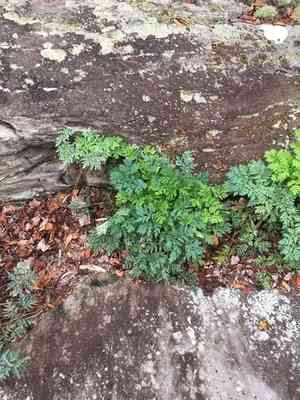
Fern-like foliage finely dissected in a ternately decompound manner.
3
Distinct pendulous, white to deep pink, heart-shaped flowers with reflexed petals.
4
Modest, elongated fruit capsule, brown to greenish, less than 1 inch (2.54 cm).
5
2-pinnately divided, fern-like leaves with prominent veins and delicate texture.

Scientific Classification of Bleeding Heart

Phylum
Vascular plants
Class
Dicotyledons
Order
Ranunculales
Family
Poppy
Genus
Bleeding-Hearts
Species
Bleeding Heart

Planting and Growing of Bleeding Heart

Care Difficulty
Easy
Watering Schedule
Every 4 days
Sunlight Requirements
Partial sun
Sunshine Duration
6-8 hours
Ideal Temperature
60-75℉
Soil Type
Potting Mix, Peat Mix
Soil pH
6.5-7.5
Fertilizer Type
Balanced
Pruning Season
Spring, Summer
Pruning Area
Branches, Leaves
Pruning Frequency
2 times a year
Repotting Season
Spring
Pot Type
Plastic, Ceramic

water icon How to Water Bleeding Heart?

When watering Dicentra eximia, aim to provide around 250 milliliters per session, ensuring that the soil is consistently moist but not soggy. This plant thrives in a well-balanced watering regimen and appreciates the soil being evenly damp, mimicking its natural woodland habitat. It's essential to water until you notice a slight rundown from drainage holes, indicating the roots have received sufficient moisture.
What are the symptoms of an underwatered Bleeding Heart?
What should I do if my Bleeding Heart is not getting enough water?
What are the symptoms of an overwatered Bleeding Heart?
How to save an overwatered Bleeding Heart?

sunlight icon What Are the Sunlight Requirements for Bleeding Heart?

Sunlight Requirements: Partial sun, Full shade
Duration of light: 3 to 6 hours
Dicentra eximia favors partial sun to full shade, benefiting from a balanced mix of diffused and mild direct light. This range promotes robust foliage and abundant flowering, ensuring healthy and aesthetic growth.
What is the best light condition for Dicentra eximia?
How can I achieve this lighting condition indoors?
What benefits can be observed when Dicentra eximia receives ideal light?

temperature icon What Is the Ideal Temperature Range for Bleeding Heart?

Ideal Temperature: 60 ~ 75℉
The ideal temperature range for growing Dicentra eximia is between 60°F and 75°F. This plant thrives in a controlled environment where daytime temperatures are warm but not hot, ensuring optimal growth and blooming conditions. Maintaining these temperatures helps replicate the plant’s natural habitat and encourages healthy foliage and vibrant flowers.

soil icon What Soil is Best for Bleeding Heart?

Soil type: Loam, Sandy loam
Soil PH: 6.5 ~ 7.5
Dicentra eximia thrives in well-drained soil to prevent root rot. The delicate roots need an environment where water doesn't accumulate and cause decay. Well-drained soil ensures healthy growth, averting waterlogging problems that could stunt development. This plant prefers soil that retains moisture yet isn’t waterlogged. Maintaining moderate moisture levels helps in ensuring consistent hydration, which is crucial for sustaining the plant’s lush foliage and preventing the drooping of its striking flowers. A nutrient-rich soil ensures that Dicentra eximia receives adequate sustenance for its vigorous growth. This nutrient abundance supports the development of lush, vibrant leaves and robust flower production, making the plant a vibrant addition to any garden.

fertilize icon How to Fertilize Bleeding Heart?

Fertilizer type: Balanced
When fertilizing Dicentra eximia, it's important to apply only a moderate amount to prevent root burn. Use a balanced, water-soluble fertilizer with a ratio like 10-10-10 or similar. Mix it to half the recommended strength on the package to keep the plants healthy without overwhelming them. In early spring, as new growth begins, make your first application to provide necessary nutrients for the growing season.

prune icon How to Prune Bleeding Heart?

Pruning Time: Spring, Autumn
Identify and remove any stems that are devoid of leaves or withered. Cut them close to ground level to encourage fresh growth. This maintains plant aesthetics and directs energy to healthier parts. Once the flowering season is over, trim back the flowering stems to prevent seed formation. This redirects energy to growth and future blooms, maintaining the plant's vigorous appearance.

propagate icon How to Propagate Bleeding Heart plant?

Propagate Time: Late spring,Early summer
1
Clean the seeds thoroughly and allow them to dry for a few days. Stratify by placing them in a damp towel in the refrigerator for 4-6 weeks to break seed dormancy and improve germination rates.
2
Carefully dig up the plant clump using a spade. This is best done when the plant is dormant, removing any dead foliage. Split the clump into smaller sections with healthy roots.
3
Plant stratified seeds in quality seed trays filled with seed-starting mix. For division, plant clump sections in prepared garden beds, ensuring roots are covered with soil and watered well.

repot icon How to Repot Bleeding Heart plant?

Repotting frequency: Biennially or triennially
1
Dicentra eximia should be repotted when you notice the plant is root-bound or has outgrown its current container. A clear sign is roots emerging from drainage holes. Spring, just before it starts its growth spurt, is the optimal season for repotting. This timing minimizes stress and allows the plant to thrive in its new environment.
2
Choose a pot that is only slightly larger than the current one, with excellent drainage. Materials like terracotta or ceramic with drainage holes are ideal as they prevent moisture accumulation, reducing the risk of root rot. Ensure the pot size accommodates future growth yet avoids excessive space where water may stagnate.
3
Opt for a well-draining, loamy soil mix which mimics Dicentra eximia’s natural habitat. Including perlite or coarse sand can enhance drainage. This type of soil prevents waterlogging, maintaining necessary aeration for the roots while providing adequate nutrients.

PlantJoy - Identify plants with a snap

Find the best spots for them to optimize their health, simply using your phone.

Try for Free

Toxicity of Bleeding Heart

Is Bleeding Heart toxic to humans?

The bleeding Heart is a plant known for its toxicity, which can lead to low to moderate poisoning if consumed in significant amounts, and can also provoke mild to severe skin irritation upon physical contact. Its toxic effects are primarily significant when ingested in large quantities, making the risk to humans generally low. Every part of this plant possesses slight poisonous characteristics due to the presence of isoquinoline alkaloids, with the highest concentrations found in the leaves. Internal poisoning symptoms may manifest as vomiting, diarrhea, convulsions, unsteadiness, breathing difficulties, trembling, staggering, and overall weakness. Additionally, skin irritation may arise from contact with the plant's sap, though this irritation usually diminishes after a brief period.

Is Bleeding Heart toxic to cat?

The Bleeding Heart plant is toxic to cats. If a cat consumes any portion of this plant, it may experience physical discomfort or exhibit symptoms of illness, since every part of the Bleeding Heart poses potential risks. Cats might unintentionally eat leaves, flowers, or stems, creating a poisoning situation. Swift medical intervention at a veterinary facility is crucial for any suspected ingestion of Bleeding Heart to reduce the effects of the toxicity and safeguard the health of the cat.

Is Bleeding Heart toxic to dog?

The Bleeding Heart plant is considered toxic to dogs, presenting a serious hazard if any part of it is ingested. Dogs may inadvertently eat sections of this plant, resulting in poisoning. The entire plant carries harmful properties, which means that any part consumed can lead to negative health consequences. Signs of poisoning can include, but are not limited to, vomiting, diarrhea, excessive drooling, lethargy, and stomach pain. It is essential for dog owners to keep a close watch on their pets and prevent them from accessing the Bleeding Heart. If ingestion is suspected, prompt veterinary attention is vital to ensure the best possible prognosis for the affected dog.

Identify toxic plants for your safety

Learn which plants are harmful to you and your pets, and make informed choices for a safer home!

Try for Free
WARNING
The judgment on toxicity and danger is for reference only. We DO NOT GUARANTEE any accuracy of such judgment. Therefore, you SHALL NOT rely on such judgment. It is IMPORTANT TO SEEK PROFESSIONAL ADVICE in advance when necessary.