Dieffenbachia(Dieffenbachia seguine)

Dieffenbachia (Dieffenbachia seguine)

Also known as: Poison arum

Dieffenbachia plants are admired for their striking foliage and variegated leaf patterns. Although they rarely flower, their white blooms can appear under ideal conditions. However, caution is advised as the plant's sap is toxic. Ingesting it can lead to severe irritation and swelling in the mouth and throat, potentially causing temporary muteness by affecting the vocal cords. If ingestion occurs, seek medical help immediately.

Attributes of Dieffenbachia

Lifespan
Perennial
Plant Type
Herb
Plant Height
91 cm to 3 m
Spread
60 cm to 90 cm
Leaf Color
Green Yellow White Variegated Gold
Flower Size
8 cm
Flower Color
Green White Yellow

PlantJoy - Identify plants with a snap

Identify and diagnose plants, get toxicity alerts, and explore safety guides for all types of fungi.

Try for Free

Images of Dieffenbachia

Dieffenbachia(Dieffenbachia seguine)

Quickly Identify Dieffenbachia

1
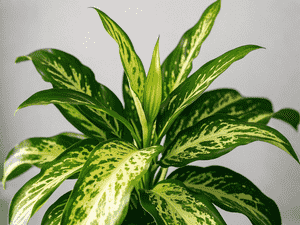
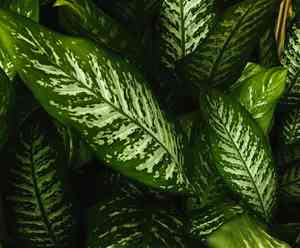
Large elliptic-oblong leaves, 10-20 inches (25-50 cm) long, with creamy blotches and prominent venation.
2
Intriguing flower structure with green boat-shaped spathe surrounding a spadix, supported by a long peduncle.
3
Stout, fleshy stem, 1-2 inches (2.5-5 cm) in diameter, with prominent leaf scars and minimal branching.
4
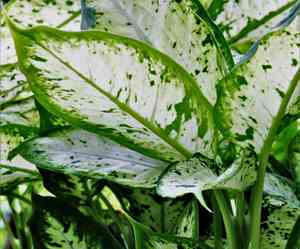
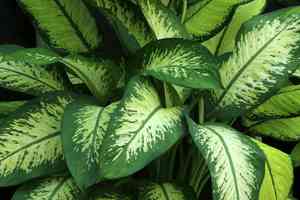
Leaves with striking white, yellowish, and green patterns, oblong-lanceolate, and sheathing petiole for support.

Scientific Classification of Dieffenbachia

Phylum
Vascular plants
Class
Monocotyledons
Order
Water plantains and allies
Family
Arum
Genus
Dumb canes
Species
Dieffenbachia

Planting and Growing of Dieffenbachia

Care Difficulty
Easy
Watering Schedule
Every 2 days
Sunlight Requirements
Partial sun
Sunshine Duration
4-8 hours
Ideal Temperature
65-75℉
Soil Type
Potting Mix, Peat Mix
Soil pH
6.5-7.5
Fertilizer Type
Balanced
Pruning Season
Spring, Summer
Pruning Area
Branches, Leaves
Pruning Frequency
2 times a year
Repotting Season
Spring
Pot Type
Plastic, Ceramic

water icon How to Water Dieffenbachia?

The watering of Dieffenbachia seguine should ensure that the soil remains moist but not soggy. Water until the water drains out from the bottom of the pot, which usually requires around 500 milliliters of water, depending on the pot's size. Always check the top inch of soil; if it's dry, it's time to water.
What are the symptoms of an underwatered Dieffenbachia?
What should I do if my Dieffenbachia is not getting enough water?
What are the symptoms of an overwatered Dieffenbachia?
How to save an overwatered Dieffenbachia?
More About Watering Techniques Group

sunlight icon What Are the Sunlight Requirements for Dieffenbachia?

Sunlight Requirements: Partial sun, Full shade
Duration of light: 2-4 hours per day
Partial sun exposure, ideally 2-4 hours of indirect sunlight daily, is beneficial. This light range promotes healthy foliage and steady growth, without causing stress from excessive light, perfectly suited to its native characteristics.
What kind of light does Dieffenbachia seguine need?
What solutions exist to achieve ideal lighting?
What are the benefits of providing ideal light conditions?
More About Sunlight Requirements Techniques Group

temperature icon What Is the Ideal Temperature Range for Dieffenbachia?

Ideal Temperature: 65 ~ 75℉
Dieffenbachia seguine, commonly known as the dumb cane, thrives in temperatures between 65°F and 75°F. This range mimics the plant’s native tropical habitat, ensuring optimal growth and vibrant foliage. Maintaining this temperature range prevents stress and encourages robust development.

soil icon What Soil is Best for Dieffenbachia?

Soil type: Loam, Sandy loam, Peat soil
Soil PH: 6.5 ~ 7.5
Dieffenbachia seguine thrives in well-drained soil, which allows excess water to escape easily, preventing root rot. This is particularly beneficial as it avoids stagnant water while still retaining enough moisture for the plant's growth. The plant benefits from soil enriched with organic matter, helping to supply essential nutrients. A nutrient-rich environment promotes lush foliage and robust growth, enhancing the plant’s natural beauty. Dieffenbachia seguine prefers soil that retains moisture yet drains effectively. Consistent moisture ensures steady absorption of water, crucial for maintaining the turgidity of its leaves and overall vibrancy. More About Soil Group

fertilize icon How to Fertilize Dieffenbachia?

Fertilizer type: Balanced
When fertilizing Dieffenbachia seguine, use a balanced liquid fertilizer diluted to half the recommended strength. For a potted plant, typically apply around 5-10 milliliters of this solution per liter of water, ensuring the soil is evenly moist but not waterlogged. Adjust based on plant size and pot capacity. More About Fertilizing Techniques Group

prune icon How to Prune Dieffenbachia?

Pruning Time: Spring, Summer
Begin by inspecting the plant for any dead or discolored leaves. Use a pair of clean, sharp scissors or pruners to cut these off at the base. For shaping, trim back any overgrown or leggy stems just above a leaf node. Cutting back stems encourages bushier growth. After pruning, dispose of the cuttings properly and wash your hands thoroughly. During the pruning process, it's beneficial to sanitize your tools with alcohol or a bleach solution between each cut. This practice prevents potential disease transmission from one part of the plant to another, ensuring the overall health of your Dieffenbachia seguine.

propagate icon How to Propagate Dieffenbachia plant?

Propagate Time: Spring, Early summer
1
Choose a healthy, mature stem with several nodes. Using sterilized pruning shears, cut a section roughly 4-6 inches long. Ensure at least two nodes are included, as these are vital for root development.
2
Dip the cut end of the stem into a rooting hormone to stimulate root growth. While this step is not mandatory, it significantly increases the chance of successful rooting and stronger initial growth.
3
Place the cutting in a container filled with a well-draining potting mix. Buried part should include nodes, and it’s vital to maintain soil moisture without oversaturation, which could lead to rot.

repot icon How to Repot Dieffenbachia plant?

Repotting frequency: Every 1-2 years
1
Look for signs like roots growing out of the drainage holes or the plant becoming top-heavy. These indicate the plant has outgrown its current pot and needs more space for its roots to thrive.
2
Select a pot that is 1-2 inches larger in diameter than the current one. Ensure it has drainage holes to prevent waterlogging, which can lead to root rot. A slightly larger pot will allow room for root expansion while maintaining moisture balance.
3
Opt for a well-draining peat-based mix with ingredients like perlite or vermiculite. This ensures oxygen reaches the roots while retaining essential moisture, mimicking its natural habitat conditions.
More About Repotting Techniques Group

PlantJoy - Identify plants with a snap

Find the best spots for them to optimize their health, simply using your phone.

Try for Free

Toxicity of Dieffenbachia

Is Dieffenbachia toxic to humans?

Dieffenbachia can provoke adverse reactions if ingested or touched. The severity of symptoms can range from moderate to severe, potentially becoming life-threatening if airway obstruction occurs. This plant contains calcium oxalate, which contributes to its toxic nature found in the leaves and sap. Ingesting dieffenbachia may result in symptoms such as swelling of the lips and tongue, excessive drooling, loss of speech, and breathing difficulties. In contrast, physical contact with the plant can lead to painful skin rashes or irritation to the eyes. Given that these plants are commonly used as indoor decorations, it is important to exercise caution if there are small children around. Always ensure to wear gloves when handling dieffenbachia.

Is Dieffenbachia toxic to cat?

Dieffenbachia (Dieffenbachia seguine) poses a moderate level of toxicity for pets. When any part of this plant is chewed, it releases calcium oxalate crystals, which can irritate the mouth, leading to pain and swelling. Ingestion of the plant may also result in vomiting. In some instances, the swelling may extend to the airway, making it challenging for the cat to breathe. In these situations, medical attention from a veterinarian may be required.

Is Dieffenbachia toxic to dog?

The entire dieffenbachia plant exhibits moderate toxicity to dogs if ingested. The ingestion can lead to symptoms such as burning sensations and swelling of the lips, tongue, and throat, caused by needle-like crystals from the plant's sap embedding themselves in the tissue. Additionally, dogs may experience difficulty swallowing, nausea, vomiting, and diarrhea; if these symptoms escalate, a visit to the veterinarian may be required, as they can sometimes be life-threatening. Furthermore, even contact with the sap on the skin can result in irritation.

Identify toxic plants for your safety

Learn which plants are harmful to you and your pets, and make informed choices for a safer home!

Try for Free
WARNING
The judgment on toxicity and danger is for reference only. We DO NOT GUARANTEE any accuracy of such judgment. Therefore, you SHALL NOT rely on such judgment. It is IMPORTANT TO SEEK PROFESSIONAL ADVICE in advance when necessary.
More About Toxic Techniques Group