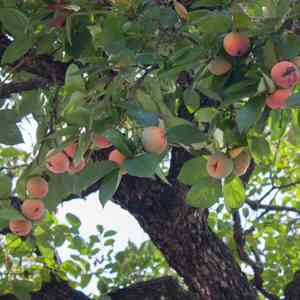
Common Persimmon (Diospyros virginiana)
Also known as: Eastern Persimmon, Possumwood, Possum apples
The Common Persimmon (Diospyros virginiana) is a deciduous tree indigenous to eastern North America. Its fruits are not only enjoyed by humans for their sweetness but also serve as a vital food source for wildlife. The tree's seeds can be roasted and used as a coffee substitute, while its leaves can be dried and brewed into tea.
Attributes of Common Persimmon
Images of Common Persimmon
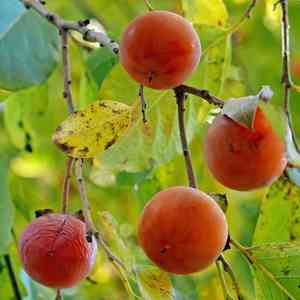
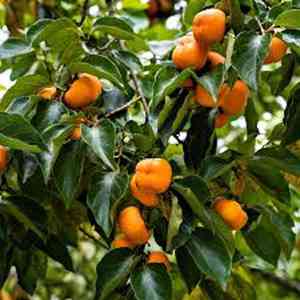
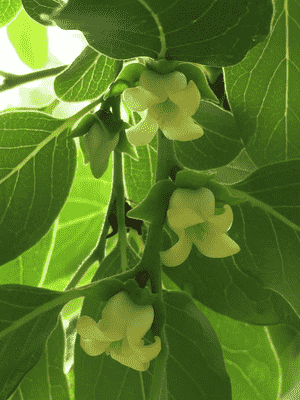
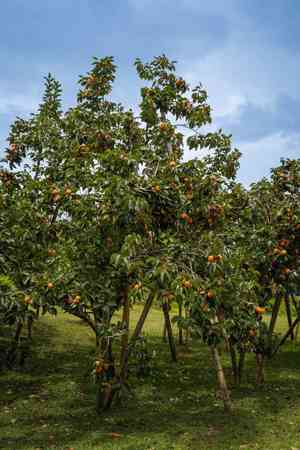
Quickly Identify Common Persimmon
Scientific Classification of Common Persimmon
Planting and Growing of Common Persimmon
 How to Water Common Persimmon?
 What Are the Sunlight Requirements for Common Persimmon?
 What Is the Ideal Temperature Range for Common Persimmon?
 What Soil is Best for Common Persimmon?
 How to Fertilize Common Persimmon?
 How to Prune Common Persimmon?
 How to Propagate Common Persimmon plant?
 How to Repot Common Persimmon plant?
Toxicity of Common Persimmon
Is Common Persimmon toxic to humans?
While it is common to see persimmons in grocery stores, the fruit available there is typically harvested before full ripeness to prevent any risk of gastroenteritis. The leaves and fruits of the persimmon tree are rich in tannins, which can lead to significant gastrointestinal distress in humans. As the fruit matures, it contains fewer tannins. Any persimmons that are purchased or foraged should be allowed to ripen completely until they are soft, and they should be kept out of reach of children and individuals with cognitive impairments until they reach full ripeness. If the fruit exhibits a bitter aftertaste or induces a puckering sensation in the mouth, it is likely still high in tannins.
Is Common Persimmon toxic to cat?
Common Persimmon presents a mild toxicity hazard for cats, especially when they consume significant quantities of unripe fruit. Cats that ingest parts of the common Persimmon may exhibit signs of discomfort or distress. To prevent health issues, pet owners should closely observe their cats for adverse reactions when they have access to common Persimmon. If any signs of poisoning appear, it is crucial to seek prompt veterinary assistance to safeguard the well-being and safety of the pet.
Is Common Persimmon toxic to dog?
The Common Persimmon presents a mild toxicity risk to dogs, particularly when they ingest large quantities of the unripe fruit. Although the ripe fruit is generally considered safe, consuming the unripe version can lead to gastrointestinal disturbances and other related symptoms. Dog owners ought to remain vigilant and keep their pets away from areas where Common Persimmon thrives, especially during the fruiting season when unripe fruits are available. If a dog consumes a notable amount of unripe fruit from the Common Persimmon, they might show indications such as vomiting, diarrhea, or abdominal discomfort. In such situations, it is crucial for pet owners to seek prompt veterinary assistance to ensure appropriate treatment and avert any complications resulting from the poisoning.



