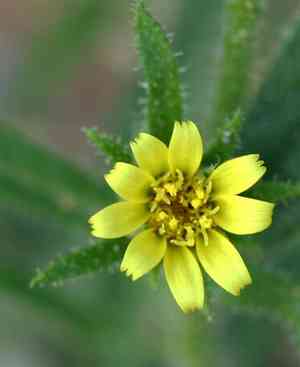
Stinkwort (Dittrichia graveolens)
Also known as: Cape khakiweed, Lesser samphire
An example of an invasive annual herb that fits your description is the stinkwort (Dittrichia graveolens). Typically reaching heights of up to 91 cm, it produces yellow, radial-shaped flowers in late summer. This plant has become a problematic invasive species in California, posing a threat to wine cultivation and is classified as a noxious weed in several areas.
Attributes of Stinkwort
Images of Stinkwort
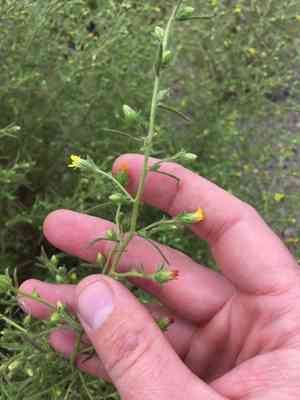
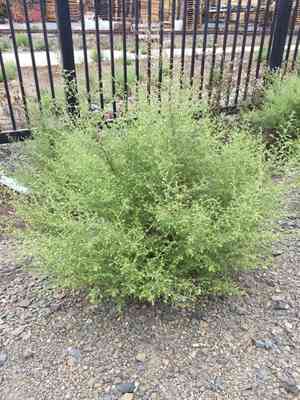
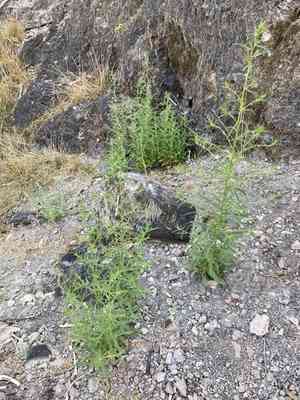
Quickly Identify Stinkwort
Scientific Classification of Stinkwort
Planting and Growing of Stinkwort
 How to Water Stinkwort?
 What Are the Sunlight Requirements for Stinkwort?
 What Is the Ideal Temperature Range for Stinkwort?
 What Soil is Best for Stinkwort?
 How to Fertilize Stinkwort?
 How to Prune Stinkwort?
 How to Propagate Stinkwort plant?
 How to Repot Stinkwort plant?
Toxicity of Stinkwort
Is Stinkwort toxic to humans?
The stinkwort is a toxic plant that presents a spectrum of toxicity ranging from mild to severe. Coming into contact with this plant can lead to contact dermatitis, skin irritation, and allergic reactions in certain individuals. It is believed that every part of the plant possesses toxic properties, although the leaves and stems are particularly noted for their heightened toxicity. Common symptoms associated with skin dermatitis due to stinkwort exposure include redness, itching, blisters, swelling, and localized pain. Given its potential to irritate the skin, the stinkwort is likely unsafe for human consumption.



