
Dragon arum (Dracunculus vulgaris)
Also known as: Voodoo lily, Snake lily
Dragon arum (Dracunculus vulgaris), a native plant of the Balkans, goes by various names such as voodoo lily, black arum, stink lily, snake lily, black dragon, black lily, and dragonwort. This aroid species thrives in full sunlight.
Attributes of Dragon arum
Images of Dragon arum
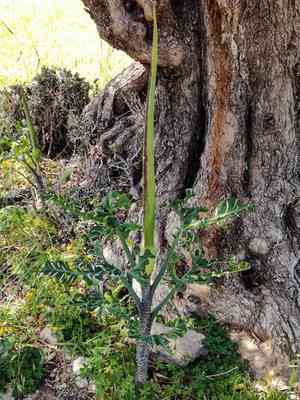

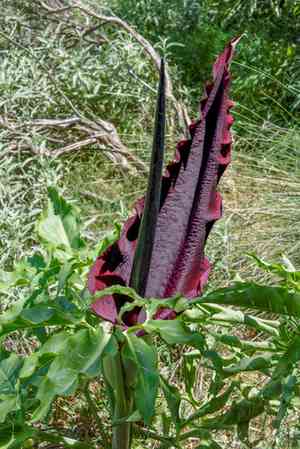
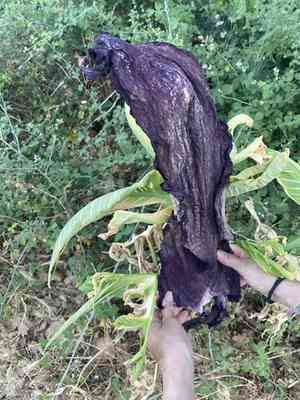
Quickly Identify Dragon arum
Scientific Classification of Dragon arum
Planting and Growing of Dragon arum
 How to Water Dragon arum?
 What Are the Sunlight Requirements for Dragon arum?
 What Is the Ideal Temperature Range for Dragon arum?
 What Soil is Best for Dragon arum?
 How to Fertilize Dragon arum?
 How to Prune Dragon arum?
 How to Propagate Dragon arum plant?
 How to Repot Dragon arum plant?
Toxicity of Dragon arum
Is Dragon arum toxic to humans?
Every single part of the dragon arum plant is filled with calcium oxalate crystals, which, when consumed, can inflict severe damage to the mouth, throat, and digestive tract, leading to intense irritation and swelling. In some cases, the swelling can become severe enough to obstruct breathing. Symptoms typically include extreme mouth pain, nausea, excessive drooling, vomiting, abdominal and intestinal pain, an irritated throat, and diarrhea.
Is Dragon arum toxic to cat?
Dragon arum is regarded as a poisonous plant for cats. Its ingestion, even inadvertently, can result in severe health issues. The whole plant is dangerous, and if cats consume any part of dragon arum, they may display symptoms of physical distress and illness that require urgent medical care. Should dragon arum be ingested, it is crucial to quickly obtain treatment at a veterinary clinic. Although the specific toxic compounds present in dragon arum are not identified, the overall toxicity risks are evident, prompting cat owners to take precautions against accidental consumption.
Is Dragon arum toxic to dog?
The dragon arum is recognized as toxic to dogs. Canines might inadvertently consume various parts of this plant, resulting in poisoning. All portions of the dragon arum, including its leaves, stems, flowers, and roots, contain harmful toxins that can endanger a dog's health. If a dog happens to ingest any part of the dragon arum, it may present symptoms such as vomiting, diarrhea, excessive drooling, oral irritation, and trouble swallowing. Therefore, it is vital for dog owners to remain alert and keep their pets away from dragon arum. Should ingestion be suspected, seeking immediate veterinary assistance is critical to ensure the health and safety of the affected animal.



