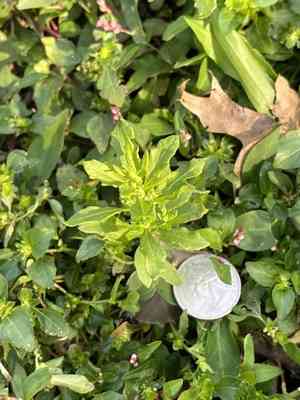
Mexican tea (Dysphania ambrosioides)
Also known as: American wormseed, Jesuit's Tea, Mexican Tea, Epazote
**Dysphania ambrosioides**, commonly known as Mexican tea or epazote, is native to tropical regions of the Americas. This plant features leaves and stems with tiny glands that emit a pungent odor. It often thrives as a weed along roadsides and near stream beds.
Attributes of Mexican tea
Images of Mexican tea
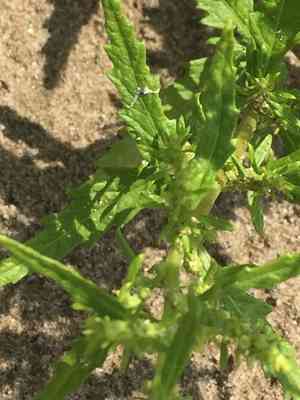
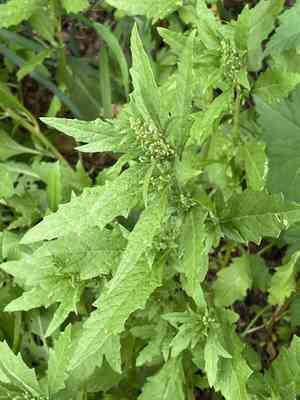
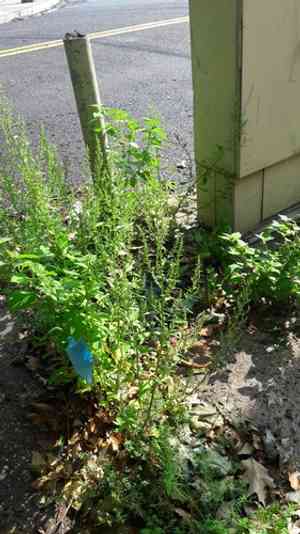
Quickly Identify Mexican tea
Scientific Classification of Mexican tea
Planting and Growing of Mexican tea
 How to Water Mexican tea?
 What Are the Sunlight Requirements for Mexican tea?
 What Is the Ideal Temperature Range for Mexican tea?
 What Soil is Best for Mexican tea?
 How to Fertilize Mexican tea?
 How to Prune Mexican tea?
 How to Propagate Mexican tea plant?
 How to Repot Mexican tea plant?
Toxicity of Mexican tea
Is Mexican tea toxic to humans?
The essential oil derived from the external parts of Mexican tea, including its flowers, stems, and leaves, is highly toxic and can result in symptoms such as vomiting, dizziness, convulsions, and potentially even death if ingested. Various species within the Dysphania genus possess saponins, a harmful chemical that can pose risks when introduced into the body. Additionally, Mexican tea contains oxalic acid, which is not inherently toxic. However, consuming it in significant amounts can lead to calcium binding in the body, making it ineffective and resulting in calcium deficiency. It is advised that individuals suffering from conditions such as arthritis, kidney stones, gout, hyperacidity, and rheumatism steer clear of Mexican tea, as it may exacerbate their symptoms.
Is Mexican tea toxic to cat?
The berries and seeds of the Mexican tea plant (Dysphania ambrosioides) possess a moderate level of toxicity to felines. Ingestion of even a minor quantity can lead to symptoms such as vomiting and diarrhea. It is advisable to consult a veterinarian if these symptoms persist for an extended period, to prevent complications related to dehydration.
Is Mexican tea toxic to dog?
The Mexican tea plant poses a significant toxicity risk to dogs. Every part of this plant harbors a range of toxic compounds that can irritate a dog's gastrointestinal system, even in minimal amounts, leading to symptoms such as vomiting, diarrhea, and lethargy. When consumed in larger quantities, these substances may result in respiratory distress, seizures, loss of consciousness, or potentially fatal outcomes. Although dogs typically do not ingest large amounts of this plant, any suspicion of Mexican tea poisoning warrants an urgent visit to the veterinarian.



