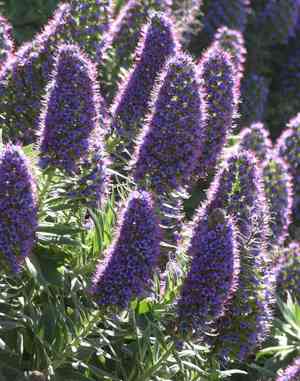
Pride of madeira (Echium candicans)
Also known as: Fastuosum
Pride of Madeira (Echium candicans) is a perennial shrub originating from Madeira Island. Despite being invasive in regions like California, New Zealand, and Australia, it enjoys global popularity as an ornamental plant. Its appeal lies in its striking blue or purple flower spikes and resilience to drought, making it ideal for low-maintenance gardens. Additionally, its capacity to attract pollinators such as bees enhances its desirability in environmentally conscious landscaping.
Attributes of Pride of madeira
Images of Pride of madeira
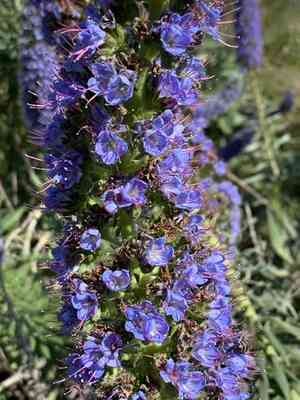
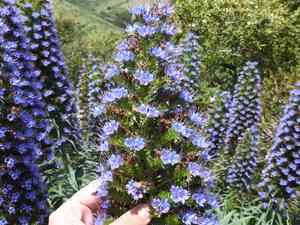
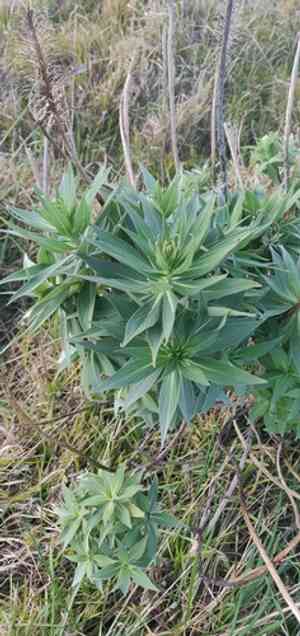
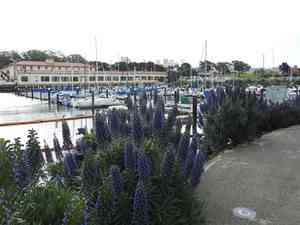
Quickly Identify Pride of madeira
Scientific Classification of Pride of madeira
Planting and Growing of Pride of madeira
 How to Water Pride of madeira?
 What Are the Sunlight Requirements for Pride of madeira?
 What Is the Ideal Temperature Range for Pride of madeira?
 What Soil is Best for Pride of madeira?
 How to Fertilize Pride of madeira?
 How to Prune Pride of madeira?
 How to Propagate Pride of madeira plant?
 How to Repot Pride of madeira plant?
Toxicity of Pride of madeira
Is Pride of madeira toxic to humans?
The Pride of Madeira can prove to be harmful to humans upon contact or ingestion. The resulting effects can range from moderate to severe. It is important to exercise caution with all parts of this plant, particularly its sap and hairy leaves, both of which possess toxic characteristics. Contact with the hairs or sap may cause dermatitis, while consumption of the plant might lead to symptoms such as vomiting, diarrhea, and nausea. Over time, the plant's toxins can lead to an enlarged liver and spleen or impact internal organs, potentially causing liver disease or gastroenteritis. Always wear gloves when handling this plant and ensure that this ornamental species is kept out of children's reach.
Is Pride of madeira toxic to cat?
The plant variety known as 'pride of madeira' is recognized as toxic to felines. Cats might unintentionally consume various sections of 'pride of madeira', resulting in poisoning due to the toxicity present in all its parts. Following ingestion, affected cats may display signs of physical unease or distress. Should there be any suspicion of poisoning from 'pride of madeira', it is essential to obtain prompt veterinary assistance. Timely intervention can be vital in addressing the health hazards linked to the poisonous nature of 'pride of madeira'.
Is Pride of madeira toxic to dog?
Pride of Madeira is a plant that poses a serious threat to the wellbeing of dogs, as it is highly toxic. If dogs accidentally ingest any portion of this plant, they risk poisoning since all parts of pride of madeira are harmful. Symptoms from consuming this plant can range from vomiting, diarrhea, and lethargy to more severe complications, depending on both the quantity ingested and the individual dog's sensitivity. It is essential for dog owners to prevent their pets from accessing this plant and to keep a close watch on them when in areas where pride of madeira is found. Should there be any suspicion that a dog has consumed any part of this plant, it is vital to obtain immediate veterinary assistance to ensure quick treatment and optimal outcomes.



