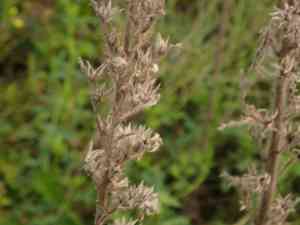
Viper's bugloss (Echium vulgare)
Also known as: Blue thistle, Common viper's bugloss, Cat's tail, Snake flower, Viper's herb
Borage (Borago officinalis) is part of the borage family and is known for attracting honeybees. This attractive plant is easy to grow after it takes root. However, it can spread aggressively and has a deep taproot that complicates both transplantation and removal.
Attributes of Viper's bugloss
Images of Viper's bugloss
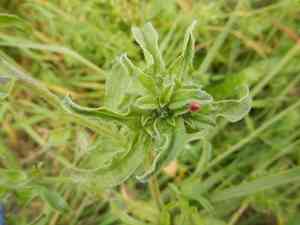
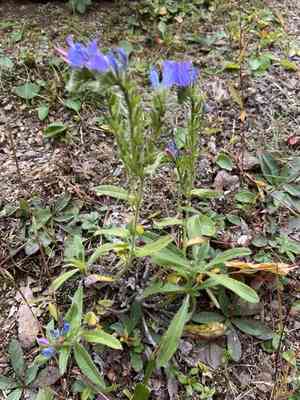
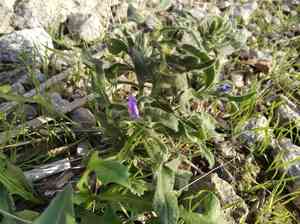
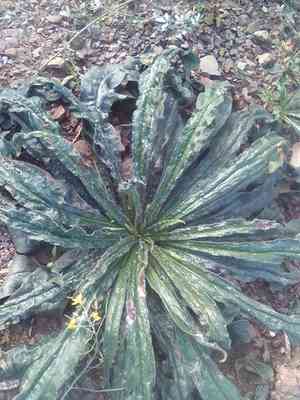
Quickly Identify Viper's bugloss
Scientific Classification of Viper's bugloss
Planting and Growing of Viper's bugloss
 How to Water Viper's bugloss?
 What Are the Sunlight Requirements for Viper's bugloss?
 What Is the Ideal Temperature Range for Viper's bugloss?
 What Soil is Best for Viper's bugloss?
 How to Fertilize Viper's bugloss?
 How to Prune Viper's bugloss?
 How to Propagate Viper's bugloss plant?
 How to Repot Viper's bugloss plant?
Toxicity of Viper's bugloss
Is Viper's bugloss toxic to humans?
Viper's bugloss is a moderately toxic plant. Every part of this plant is harmful if ingested, leading to a range of potential symptoms that may include pain in the lips, tongue, and throat, as well as vomiting, abdominal pain, diarrhea, and possible liver damage. Moreover, the tiny hairs located on the leaves have been known to trigger contact dermatitis or allergic reactions, which can manifest as red, inflamed skin, blistering, swelling, or discomfort in the affected region. However, there is no indication that viper's bugloss induces any form of airborne allergy.
Is Viper's bugloss toxic to cat?
Viper's bugloss presents a toxicity hazard to cats and can lead to poisoning if parts of the plant are ingested. This includes the leaves, stems, flowers, fruits, roots, seeds, bark, and sap, which cats might unintentionally consume. Symptoms of physical distress or illness may appear in cats upon ingestion. Therefore, it is essential to keep a vigilant eye on your pet and promptly obtain professional veterinary care to safeguard their health after exposure to viper's bugloss.
Is Viper's bugloss toxic to dog?
Viper's bugloss is categorized as a plant that poses toxicity risks to dogs. If a dog accidentally consumes this plant, it can lead to poisoning. Every part of the plant—be it leaves, stems, flowers, fruits, roots, seeds, bark, or sap/juice—contains toxic compounds that can adversely affect canine health. Upon ingesting any component of the viper's bugloss, dogs might show an array of symptoms suggesting poisoning. These symptoms can vary significantly, spanning from mild reactions to more severe manifestations, which may include vomiting, diarrhea, excessive salivation, weakness, or even grave conditions such as tremors or seizures. It is vital for dog owners to vigilantly supervise their pets and restrict their access to viper's bugloss to prevent any chances of accidental consumption. Should a dog ingest any part of this plant, it is essential to seek prompt veterinary assistance to secure the most favorable outcome for the affected dog.



