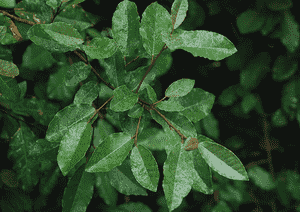
Thorny olive (Elaeagnus pungens)
Also known as: Silverthorn, Autumn-olive
Silverthorn, also known as thorny olive (Elaeagnus pungens), is a flowering shrub that originates from Asia. In the southeastern United States, it is frequently used in ornamental landscaping. This hardy shrub thrives in various temperate climates and is known for attracting birds with its appealing berries.
In This Article
Attributes of Thorny olive
Lifespan
Perennial
Plant Type
Shrub
Plant Height
7 m
Spread
4 m
Leaf Color
Green Yellow Silver
Flower Size
2.5 cm
Flower Color
White Yellow Cream
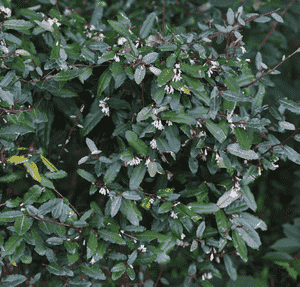
Images of Thorny olive
Quickly Identify Thorny olive
1
Distinctive silvery-white underside with brown scales on leaves.
2
Sharp scaling thorns on stems aiding in climbing.
3
Silvery-white bell-shaped flowers emitting a strong fragrance.
4
Oval 1/2 inch (1.27 cm) fruit transitioning from green to silvery-red.
5
Robust stem with irregular branching and 2-3 inch (5-7.5 cm) thorns.
Scientific Classification of Thorny olive
Phylum
Vascular plants
Class
Dicotyledons
Order
Roses, elms, figs, and allies
Family
Oleaster
Genus
Silverberries
Species
Thorny olive
Planting and Growing of Thorny olive
Care Difficulty
Easy
Watering Schedule
Every 2 days
Sunlight Requirements
Full sun
Sunshine Duration
6-10 hours
Ideal Temperature
50-80℉
Soil Type
Potting Mix, Peat Mix
Soil pH
6.5-7.5
Fertilizer Type
Balanced
Pruning Season
Spring, Summer
Pruning Area
Branches, Leaves
Pruning Frequency
2 times a year
Repotting Season
Spring
Pot Type
Plastic, Ceramic
 How to Water Thorny olive?
Elaeagnus pungens prefers well-draining soil and moderate moisture. Watering should be done thoroughly until water seeps through the drainage holes. This ensures that the water reaches deep into the soil, promoting strong root growth. Overwatering should be avoided to prevent root rot; the top 5 cm of the soil should be allowed to dry out between waterings.
More About Watering Techniques→
What are the symptoms of an underwatered Thorny olive?
›
What should I do if my Thorny olive is not getting enough water?
›
What are the symptoms of an overwatered Thorny olive?
›
How to save an overwatered Thorny olive?
›
 What Are the Sunlight Requirements for Thorny olive?
Elaeagnus pungens ideally thrives in full to partial sun conditions, ensuring about 5 to 6 hours of light exposure daily. This range supports its photosynthetic requirements and boosts overall vigor and flowering potential.
More About Sunlight Requirements Techniques→
What is the best lighting condition for Elaeagnus pungens?
›
How can I achieve the ideal lighting for my Elaeagnus pungens?
›
What benefits does optimal lighting provide for Elaeagnus pungens?
›
 What Is the Ideal Temperature Range for Thorny olive?
The ideal temperature range for Elaeagnus pungens is between 50°F and 80°F. Within this range, the plant can thrive, maintaining robust growth and vibrant foliage. Temperatures in this range support effective photosynthesis and nutrient uptake, crucial for the plant's overall health.
 What Soil is Best for Thorny olive?
Elaeagnus pungens thrives in well-drained soil, which prevents waterlogging and root rot. Ensuring proper drainage can lead to healthier growth and vibrant foliage. This plant prefers moderately fertile soil to support its nutrient needs. Providing soil rich in organic matter helps in strong growth and boosts resistance to diseases. Elaeagnus pungens is well-suited for slightly acidic to neutral soil, which aids in optimal nutrient uptake. Maintaining this pH range ensures balanced nutrient availability.
More About Soil→
 How to Fertilize Thorny olive?
Elaeagnus pungens benefits from balanced, controlled fertilization. For liquid fertilizers, use a solution containing nitrogen, phosphorus, and potassium at a ratio of 10-10-10. Apply it at a concentration of 1 tablespoon per gallon of water, ensuring even distribution over the soil. For slow-release granular fertilizers, a handful per square meter around the plant base suffices, but avoid direct contact with the stems to prevent burns.
More About Fertilizing Techniques→
 How to Prune Thorny olive?
Start by removing any dead or diseased branches to improve overall health. Next, identify and cut back overgrown or crossed branches to maintain an open structure, promoting good air circulation. Always use clean, sharp pruning shears to make clean cuts, angling them slightly to encourage water runoff. Aim to achieve a balanced shape that complements the plant’s natural form. To shape Elaeagnus pungens, selectively prune branches to enhance its natural form. If creating a hedge, prune all sides evenly for a uniform appearance. For espalier or trained forms, regularly monitor growth, tying branches to support structures as needed. Remove vigorous shoots that disrupt intended shapes, and trim lightly but frequently to promote desired contours.
 How to Propagate Thorny olive plant?
1
Select a healthy parent plant and identify strong, healthy branches for cutting. Ensure the plant is not under any stress conditions such as drought or disease before beginning the propagation process.
2
Cut 6-8 inch lengths from the selected branches using clean, sharp shears. Remove the leaves from the lower half of the cuttings to reduce moisture loss and prepare them for rooting.
3
Dip the cut end of the cuttings in rooting hormone before planting them in a pot filled with well-draining potting mix. Ensure the cutting is inserted deep enough to remain upright and stable.
 How to Repot Thorny olive plant?
1
Elaeagnus pungens needs repotting when roots start spiraling around the pot interior or emerging from drainage holes. This is a sign the plant has outgrown its current home and requires more space to thrive.
2
Select a pot that is 2-3 inches larger in diameter than the current one. Ensure it has adequate drainage holes to prevent waterlogging. A slightly larger pot provides enough space for root growth while minimizing the risk of overwatering.
3
Opt for a well-draining, loamy soil mix that contains organic matter. This type of soil ensures the plant receives the necessary nutrients and water without retaining excessive moisture, which could lead to root rot.



