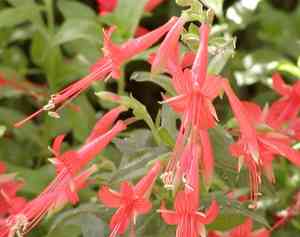
California fuchsia (Epilobium canum)
Also known as: Zauschneria, Firechalice
California fuchsia (Epilobium canum) is a deciduous perennial that typically reaches up to 46 cm in height. It showcases striking scarlet flowers from summer through fall, adding vibrant color to gardens. This plant flourishes in full sun and prefers well-drained soil. Despite its drought tolerance, it benefits from occasional summer watering to maintain vigor.
In winter, California fuchsia enters dormancy, requiring little to no water. Pruning in late winter can help encourage healthy new growth. Ideal for low-water landscapes, it attracts hummingbirds and other pollinators, making it a valuable addition to wildlife-friendly gardens.
In This Article
Attributes of California fuchsia
Lifespan
Perennial
Plant Type
Herb, Shrub
Plant Height
60 cm
Spread
60 cm
Leaf Color
Green White
Flower Size
2.5 cm to 5 cm
Flower Color
Red Orange
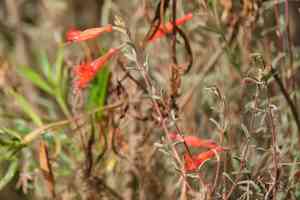
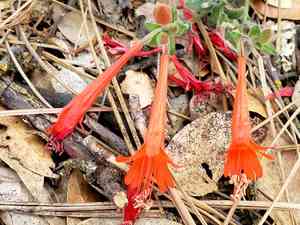
Images of California fuchsia


Quickly Identify California fuchsia
1
Woody base with dense, spreading growth habit.
2
Striking reddish-orange tubular blooms in summer and fall.
3
Adapted to attract hummingbirds with its flowers.
4
Thrives in full sun and dry conditions, showing drought tolerance.
5
Can persist below 15 degrees Fahrenheit (-9 degrees Celsius), indicating cold hardiness.
Scientific Classification of California fuchsia
Phylum
Vascular plants
Class
Dicotyledons
Order
Myrtales
Family
Evening primrose
Genus
Willowherbs
Species
California fuchsia
Planting and Growing of California fuchsia
Care Difficulty
Easy
Watering Schedule
Every 2 days
Sunlight Requirements
Full sun
Sunshine Duration
6-10 hours
Ideal Temperature
60-75℉
Soil Type
Potting Mix, Peat Mix
Soil pH
6.5-7.5
Fertilizer Type
Balanced
Pruning Season
Spring, Summer
Pruning Area
Branches, Leaves
Pruning Frequency
2 times a year
Repotting Season
Spring
Pot Type
Plastic, Ceramic
 How to Water California fuchsia?
For Epilobium canum, it is crucial to maintain a balance by providing about 150 milliliters of water per session. This plant thrives with moderate watering, ensuring the soil is moistened but not waterlogged. Water should reach the root zone and lightly soak it, encouraging deep root growth without prolonged saturation that could lead to rot.
What are the symptoms of an underwatered California fuchsia?
›
What should I do if my California fuchsia is not getting enough water?
›
What are the symptoms of an overwatered California fuchsia?
›
How to save an overwatered California fuchsia?
›
 What Are the Sunlight Requirements for California fuchsia?
Epilobium canum thrives best in full sun to partial sun conditions. Ideal lighting fosters vigorous growth, enhances color intensity in blooms, and maintains healthy foliage.
More About Sunlight Requirements Techniques→
How much sunlight should Epilobium canum receive daily?
›
What are the best arrangements for Epilobium canum's sunlight needs?
›
What benefits does Epilobium canum experience with ideal light?
›
 What Is the Ideal Temperature Range for California fuchsia?
The ideal temperature range for cultivating Epilobium canum is between 60°F to 75°F. This range ensures optimal growth by providing a comfortable environment that mimics its native habitat. Maintaining these temperatures can promote healthy foliage development and enhance the blooming of its vibrant flowers. Consistency within this range prevents stress and promotes resilience against pests and diseases.
 What Soil is Best for California fuchsia?
Epilobium canum thrives in well-drained soil conditions, which help prevent root rot and other moisture-related diseases. Well-drained sandy or loamy soils allow for adequate air circulation around the roots, promoting healthy growth and vigorous blooms. While not particularly demanding, Epilobium canum benefits from soil that is moderately rich in nutrients. This ensures that the plant receives the essential minerals required for robust health and prolific flowering throughout the growing season. Epilobium canum prefers a soil pH within the range of 6.5 to 7.5. This pH range provides an optimal environment for nutrient uptake, ensuring that the plant can access necessary elements like nitrogen and phosphorus effectively.
 How to Fertilize California fuchsia?
For Epilobium canum, less is more when it comes to fertilizer. Use a balanced liquid fertilizer diluted to half strength. Ensure not to exceed a quarter tablespoon per gallon of water to maintain its natural vigor.
 How to Prune California fuchsia?
Start by removing any dead or damaged stems. This will improve the overall health of the plant and allow sunlight and air to reach the interior. After flowering, trim spent blooms to encourage new growth and potentially more flowers. Cut back to a set of healthy leaves for the best results. Prune to shape the plant by selectively removing stems. This helps maintain a tidy appearance and prevents the plant from becoming too leggy.
More About Pruning Techniques→
 How to Propagate California fuchsia plant?
1
Before sowing, soak seeds in water for 24 hours to improve germination rates. This helps to soften the seed coat and accelerates the germination process.
2
Select healthy, semi-hardwood stems and cut them with pruning shears. Ensure each cutting is at least 4 to 6 inches long, with leaves removed from the lower half.
3
Gently dig up the parent plant, ensuring minimal root disturbance. Carefully separate the plant into smaller sections, each with a healthy set of roots and shoots.
 How to Repot California fuchsia plant?
1
Epilobium canum exhibits signs it needs repotting when its growth slows, roots emerge from drainage holes, or soil doesn't retain moisture well. Ideal times for repotting are early spring or during warm summer days. These periods minimize stress and encourage healthy root development after repotting.
2
Select a pot slightly larger than the current one to allow room for growth. An ideal pot is one inch wider and deeper. Ensure it has sufficient drainage holes. These features prevent root rot, allowing excess water to escape, and give room for roots to thrive, supporting vibrant growth.
3
Opt for a well-draining potting mix, ideally a blend containing perlite, peat, and sand. This composition ensures excellent drainage, prevents waterlogging, and emulates the plant's natural environment. Such soil supports healthy root aeration, contributing to sound overall plant growth.



