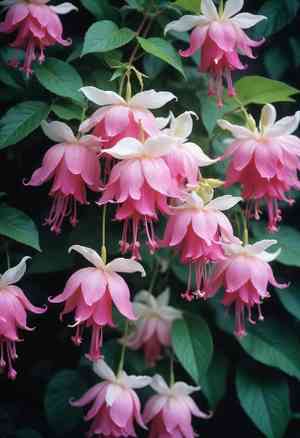
Queen of the night (Epiphyllum oxypetalum)
Also known as: Lady Of The Night, Princess of the night, Jungle cactus
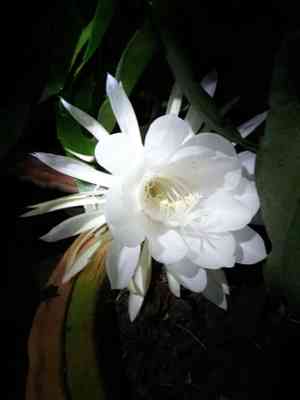
The Queen of the Night is a remarkable cactus known for its large, trumpet-like flowers with pristine white petals and a delightful fragrance. These flowers bloom exclusively at night, revealing their beauty after sunset and wilting by dawn. The plant's nocturnal blossoms make it a true spectacle under the moonlight, as each flower lasts for just one enchanting night.
In This Article
Attributes of Queen of the night
Lifespan
Perennial
Plant Type
Succulent, Shrub
Plant Height
2 m to 6 m
Spread
50 cm to 1.2 m
Leaf Color
Green
Flower Size
8 cm to 17 cm
Flower Color
White Yellow Pink
Images of Queen of the night
Quickly Identify Queen of the night
1
Enormous nocturnal white flowers emitting strong fragrance, lasting a single evening.
2
Photosynthetic, succulent cladodes serving as 'leaves' up to 18 inches (45 cm) long.
3
Vibrant magenta oblong fruits resembling pitaya, with black-seeded white flesh, up to 6 inches (15 cm).
Scientific Classification of Queen of the night
Phylum
Vascular plants
Class
Dicotyledons
Order
Pinks, cacti, and allies
Family
Cactuses
Genus
Climbing cacti
Species
Queen of the night
Planting and Growing of Queen of the night
Care Difficulty
Easy
Watering Schedule
Every 3 days
Sunlight Requirements
Partial sun
Sunshine Duration
4-8 hours
Ideal Temperature
65-77℉
Soil Type
Potting Mix, Peat Mix
Soil pH
5.5-6.5
Fertilizer Type
Balanced
Pruning Season
Spring, Summer
Pruning Area
Branches, Leaves
Pruning Frequency
2 times a year
Repotting Season
Spring
Pot Type
Terracotta, Plastic
 How to Water Queen of the night?
Epiphyllum oxypetalum requires a careful balance of moisture. Water thoroughly until you see excess draining from the bottom of the pot. This helps ensure the entire root system receives moisture, but avoid letting the plant sit in standing water which can cause root rot.
More About Watering Techniques→
What are the symptoms of an underwatered Queen of the night?
›
What should I do if my Queen of the night is not getting enough water?
›
What are the symptoms of an overwatered Queen of the night?
›
How to save an overwatered Queen of the night?
›
 What Are the Sunlight Requirements for Queen of the night?
Epiphyllum oxypetalum prefers partial sun to full shade, with ideal conditions promoting healthy growth and vibrant blooms. The balance between light and shade supports the plant's natural rhythm, ensuring enduring beauty and vigor.
More About Sunlight Requirements Techniques→
What type of lighting is best for Epiphyllum oxypetalum?
›
How can I improve the light conditions for my plant?
›
What are the benefits of optimal lighting for this plant?
›
 What Is the Ideal Temperature Range for Queen of the night?
Epiphyllum oxypetalum thrives best within a temperature range of 65°F to 77°F. This range supports healthy growth and blooming by providing a temperate environment that mimics its natural habitat. Consistent temperatures within this range also aid in preventing stress and promote a vibrant flower display.
 What Soil is Best for Queen of the night?
Epiphyllum oxypetalum thrives in well-drained soil, which prevents waterlogged conditions that could lead to root rot. This type of soil ensures that excess water drains away quickly, allowing the roots to breathe and access necessary nutrients efficiently. The plant flourishes in nutrient-rich soil, which provides essential macro- and micro-nutrients that support healthy growth and abundant blooming. Incorporating organic matter into the soil can enhance nutrient availability. A soil pH of 5.5 to 6.5 is ideal for Epiphyllum oxypetalum, as it allows optimal absorption of nutrients. A slight acidity in the soil balances these elements, ensuring the plant receives everything it needs for robust development.
More About Soil→
 How to Fertilize Queen of the night?
When it comes to determining the right amount of fertilizer for Epiphyllum oxypetalum, it is vital to go with a balanced approach. A diluted liquid fertilizer, mixed at half strength, should suffice for this particular plant. Over-fertilization can be detrimental to the plant’s health, so aim for moderation. A slow-release granular fertilizer can also be used sparingly, but ensure it is well-integrated into the soil and not in contact with the plant stems.
 How to Prune Queen of the night?
Begin by removing any dead or wilted stems from the base. This encourages new growth and reduces the risk of disease. Gently trim the longer stems to shape the plant, keeping it bushy and compact. This helps in maintaining the plant's overall aesthetics and encourages an even distribution of blooms. Cutting too much can stress the plant, leading to reduced flowering. Always leave some healthy foliage to sustain photosynthesis and encourage blooms.
 How to Propagate Queen of the night plant?
1
Select a healthy, mature stem from the mother plant. The stem should be firm and free from any diseases or pests to ensure successful propagation.
2
Use a sharp knife to cut a stem segment that is approximately 4-6 inches long. Ensure the cut is clean and made at a 45-degree angle to increase the surface area for rooting.
3
Dip the cut end of the stem in rooting hormone and plant it in a well-draining potting mix. The pot should have drainage holes to prevent waterlogging.
 How to Repot Queen of the night plant?
1
Epiphyllum oxypetalum needs repotting when roots protrude from the pot's drainage holes or when the plant becomes root-bound. The ideal time to repot is during the Spring and Summer months as the growth is active, helping the plant to recover swiftly.
2
Select a pot that is 1-2 inches larger in diameter than the current one, with adequate drainage holes. This size encourages healthy root growth without waterlogging, minimizing the risk of root rot. A heavy pot is advised to balance the top-heavy nature of the plant.
3
A well-draining cactus mix rich in organic matter is ideal for Epiphyllum oxypetalum. This soil prevents water retention while supplying the necessary nutrients that mimic the plant's natural habitat, promoting healthier growth and flowering.



