Golden pothos(Epipremnum aureum)

Golden pothos (Epipremnum aureum)

Also known as: Taro vine, Ivy arum, Hunter's robe

The Pothos (Epipremnum aureum), often called "devil's ivy," is a widely cherished houseplant found in regions like Australia, Asia, and the West Indies. It's renowned for its durability and ability to thrive in low-light environments. However, its sap is toxic, making it important to keep this plant out of reach of pets and children.

Attributes of Golden pothos

Lifespan
Perennial
Plant Type
Vine, Herb
Plant Height
30 cm to 20 m
Spread
20 cm to 30 cm
Leaf Color
Green Yellow Variegated
Flower Size
2.5 cm
Flower Color
Green

PlantJoy - Identify plants with a snap

Identify and diagnose plants, get toxicity alerts, and explore safety guides for all types of fungi.

Try for Free

Images of Golden pothos

Golden pothos(Epipremnum aureum)

Quickly Identify Golden pothos

1
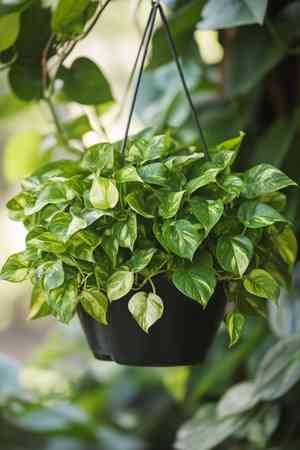
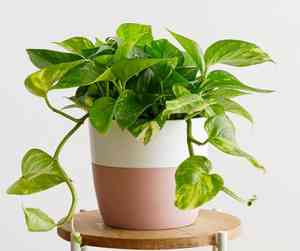
Heart-shaped, glossy leaves with variegation in yellow or white.
2
Stem with green color and white or yellow stripes, featuring adventitious roots.
3
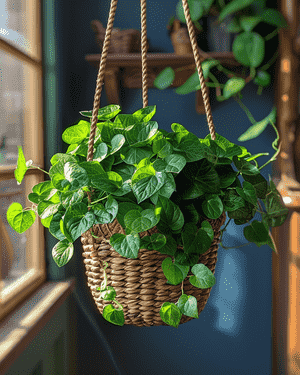
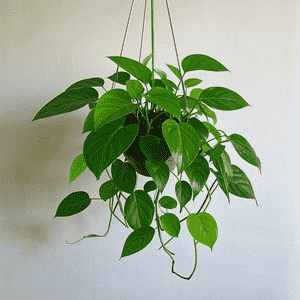
Trailing or climbing stems reaching up to 40 feet (12 meters) in ideal conditions.
4
Rare flowers with stout spadix and boat-shaped spathe in yellow, green, or purple.
5
Color-changing berries from green to red-orange, emerging from spike inflorescence.

Scientific Classification of Golden pothos

Phylum
Vascular plants
Class
Monocotyledons
Order
Water plantains and allies
Family
Arum
Genus
Tongavines
Species
Golden pothos

Planting and Growing of Golden pothos

Care Difficulty
Easy
Watering Schedule
Every 4 days
Sunlight Requirements
Partial sun
Sunshine Duration
6-8 hours
Ideal Temperature
65-85℉
Soil Type
Potting Mix, Peat Mix
Soil pH
6-7.5
Fertilizer Type
Balanced
Pruning Season
Spring, Summer
Pruning Area
Branches, Leaves
Pruning Frequency
2 times a year
Repotting Season
Spring
Pot Type
Terracotta, Plastic

water icon How to Water Golden pothos?

For Epipremnum aureum, a general guideline is to water it until the soil is evenly moist, allowing the excess to drain out of the bottom. This ensures the roots are sufficiently hydrated without being waterlogged. Use 250 ml of water per session, maintaining the balance between dry and soggy soil.
What are the symptoms of an underwatered Golden pothos?
What should I do if my Golden pothos is not getting enough water?
What are the symptoms of an overwatered Golden pothos?
How to save an overwatered Golden pothos?
More About Watering Techniques

sunlight icon What Are the Sunlight Requirements for Golden pothos?

Sunlight Requirements: Partial sun, Full shade
Duration of light: 4 to 6 hours
Epipremnum aureum thrives in partial sun to full shade. This balance ensures lush foliage and strong growth. Ideal light promotes chlorophyll production, enhancing the plant's green vibrancy.
What is the ideal lighting for Epipremnum aureum?
How can I improve lighting conditions?
Why is ideal lighting important for this plant?
More About Sunlight Requirements Techniques

temperature icon What Is the Ideal Temperature Range for Golden pothos?

Ideal Temperature: 65 ~ 85℉
The ideal temperature range for Epipremnum aureum is between 65°F and 85°F. This range closely mimics the plant's natural tropical habitat, providing optimal conditions for growth and development. Staying within these temperatures ensures that your plant thrives and maintains its vibrant foliage.

soil icon What Soil is Best for Golden pothos?

Soil type: Loam, Sandy loam
Soil PH: 6 ~ 7.5
Epipremnum aureum thrives in well-draining soil that prevents waterlogging, reducing the risk of root rot. A mix containing perlite helps ensure proper drainage. A nutrient-rich soil is essential for healthy growth. Incorporating organic matter like compost provides necessary nutrients and promotes vigorous foliage development. While drainage is crucial, the soil should also retain some moisture to support continuous growth. A loamy texture achieves this balance, mimicking the plant’s natural habitat. More About Soil

fertilize icon How to Fertilize Golden pothos?

Fertilizer type: Balanced
For Epipremnum aureum, use a balanced, water-soluble fertilizer at half strength to prevent over-fertilization. Mix approximately one teaspoon of liquid fertilizer per gallon of water. This ensures the plant receives the right amount of nutrients without overwhelming its root system. More About Fertilizing Techniques

prune icon How to Prune Golden pothos?

Pruning Time: Spring, Summer
Look for long, extended stems without leaves or any damaged or dead leaves that need removal. These are your primary targets for pruning during the active growing seasons. Using your tools, trim back the overgrown vines by cutting just above a healthy leaf or node. This encourages the plant to grow more compactly and spread out its branches. If your Epipremnum aureum grows in a certain shape, trim accordingly to maintain that form. Regularly adjusting the angles of the cuts can help guide the direction of future growth. More About Pruning Techniques

propagate icon How to Propagate Golden pothos plant?

Propagate Time: Spring, Early summer, Autumn
1
Choose a mature and healthy Epipremnum aureum plant with no signs of disease. This helps to ensure vigorous growth in the new plants.
2
Use sterilized pruning shears to cut a 4-6 inch section of the stem below a node. Remove any leaves from the lower third of the cutting.
3
Dip the cut end of the stem in rooting hormone and plant it in a well-draining potting mix. Water gently to moisten the soil and ensure good contact with the cutting.
More About Propagating Techniques

repot icon How to Repot Golden pothos plant?

Repotting frequency: Every 1-2 years
1
Repotting Epipremnum aureum is necessary when roots are visibly growing out of the drainage holes or circling the pot. Additionally, if the plant appears stunted or the soil drains water too quickly, it might be time for a change.
2
Choose a pot slightly larger than the current one, with ample drainage holes. This ensures proper root growth and prevents waterlogging, which can lead to root rot—a particularly beneficial step for a thriving Epipremnum aureum.
3
Opt for a well-draining potting mix containing perlite or orchid bark. This mix promotes excellent air circulation around the roots while retaining just the right amount of moisture, catering well to the tropical origins of your Epipremnum aureum.
More About Repotting Techniques

PlantJoy - Identify plants with a snap

Find the best spots for them to optimize their health, simply using your phone.

Try for Free

Toxicity of Golden pothos

Is Golden pothos toxic to humans?

The golden pothos plant is known to contain a compound known as calcium oxalate, which poses mild toxicity risk to humans, especially if ingested or if there is extensive physical contact with its sap. Ingesting golden pothos can result in symptoms such as eczema (characterized by itchy, red, swollen, and irritated skin), as well as burning sensations, mouth inflammation, and nausea. Additionally, contact with the sap may lead to dermatitis, which presents as an irritating and itchy rash. The risk of harm to humans is particularly significant for children, who may experience accidental contact with this frequently found houseplant.

Is Golden pothos toxic to cat?

The golden pothos, scientifically known as Epipremnum aureum, is a widely cultivated houseplant that poses a significant toxicity risk to felines. Ingesting the leaves or stems can lead to severe irritation of the mouth, tongue, and lips, which often results in excessive drooling or vomiting, potentially leading to dehydration. If left untreated by a professional, the symptoms could become life-threatening.

Is Golden pothos toxic to dog?

While the golden pothos is generally not lethal to your dog, ingesting its leaves can cause irritation to your dog's mouth and digestive system. Symptoms usually manifest within 24 hours, presenting as oral discomfort, lethargy, diarrhea, and excessive drooling. In more severe cases, symptoms can escalate to loss of consciousness, seizures, and respiratory difficulties. Prompt veterinary care is essential to prevent potential internal organ damage, so it is crucial to take your pet to the vet as soon as you suspect poisoning from pothos.

Identify toxic plants for your safety

Learn which plants are harmful to you and your pets, and make informed choices for a safer home!

Try for Free
WARNING
The judgment on toxicity and danger is for reference only. We DO NOT GUARANTEE any accuracy of such judgment. Therefore, you SHALL NOT rely on such judgment. It is IMPORTANT TO SEEK PROFESSIONAL ADVICE in advance when necessary.
More About Toxic Techniques