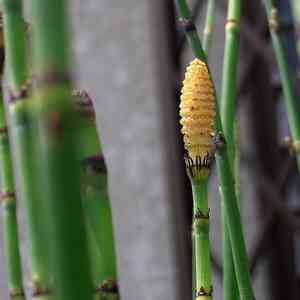
Rough horsetail (Equisetum hyemale)
Also known as: Scouringrush horsetail, Snake grass
Rough horsetail (Equisetum hyemale) is a robust, evergreen perennial ideal for wetland areas. It grows aggressively, spreading through spores rather than flowers. Thriving in both full sun and partial shade, it's also resistant to pests. This plant is excellent for erosion control and can add a unique touch to water gardens. Typically, it reaches a height of 61 to 91 cm.
Attributes of Rough horsetail
Images of Rough horsetail
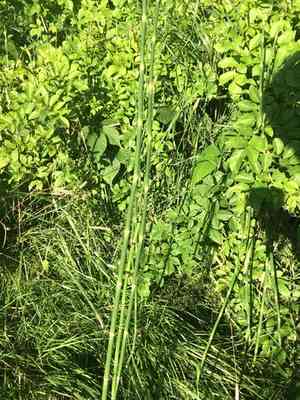
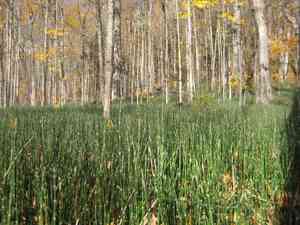
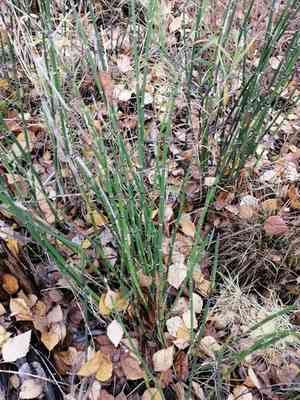
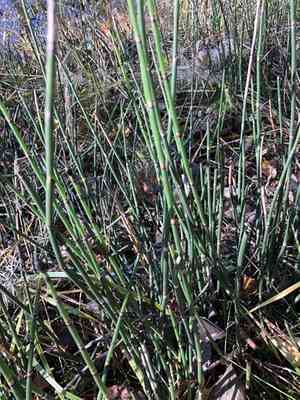
Quickly Identify Rough horsetail
Scientific Classification of Rough horsetail
Planting and Growing of Rough horsetail
 How to Water Rough horsetail?
 What Are the Sunlight Requirements for Rough horsetail?
 What Is the Ideal Temperature Range for Rough horsetail?
 What Soil is Best for Rough horsetail?
 How to Fertilize Rough horsetail?
 How to Prune Rough horsetail?
 How to Propagate Rough horsetail plant?
 How to Repot Rough horsetail plant?
Toxicity of Rough horsetail
Is Rough horsetail toxic to humans?
Rough horsetail may pose toxicity risks if consumed in excessive quantities, primarily due to its thiaminase content, which can interfere with vitamin B synthesis in the body, potentially leading to a deficiency of this essential vitamin. When ingested in small amounts, rough horsetail is generally not regarded as toxic, particularly for individuals who maintain a diet rich in vitamin B. Additionally, this plant possesses diuretic properties, promoting the elimination of water from the body through urination; overconsumption can lead to significant dehydration. It is strongly advised to completely avoid consuming rough horsetail during pregnancy, given the lack of sufficient evidence regarding its safety, as well as for individuals who are suffering from alcoholism, due to the associated risk of thiamine deficiency. Those who are allergic to carrots or nicotine, as well as individuals with diabetes or low potassium levels, should exercise particular caution.



